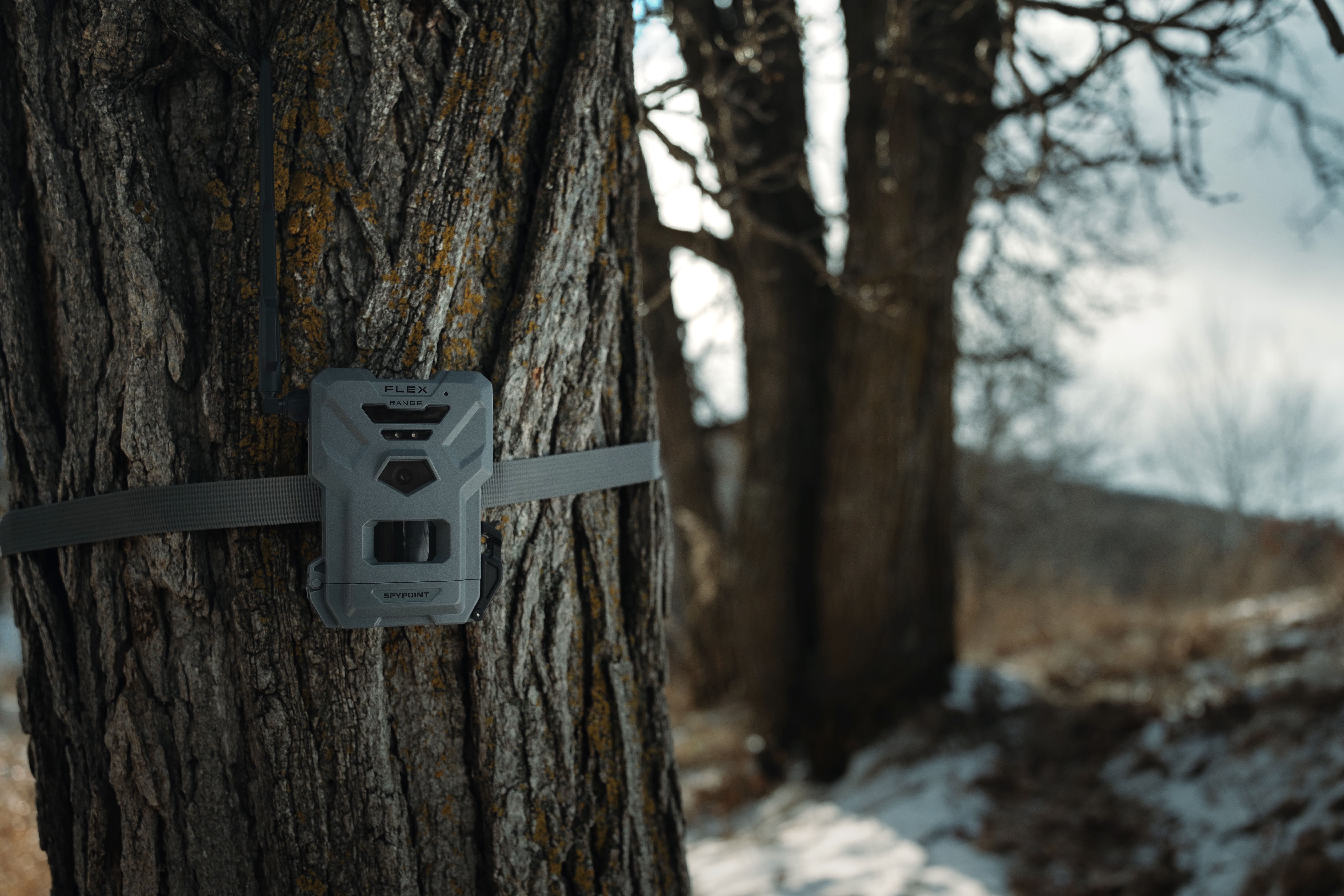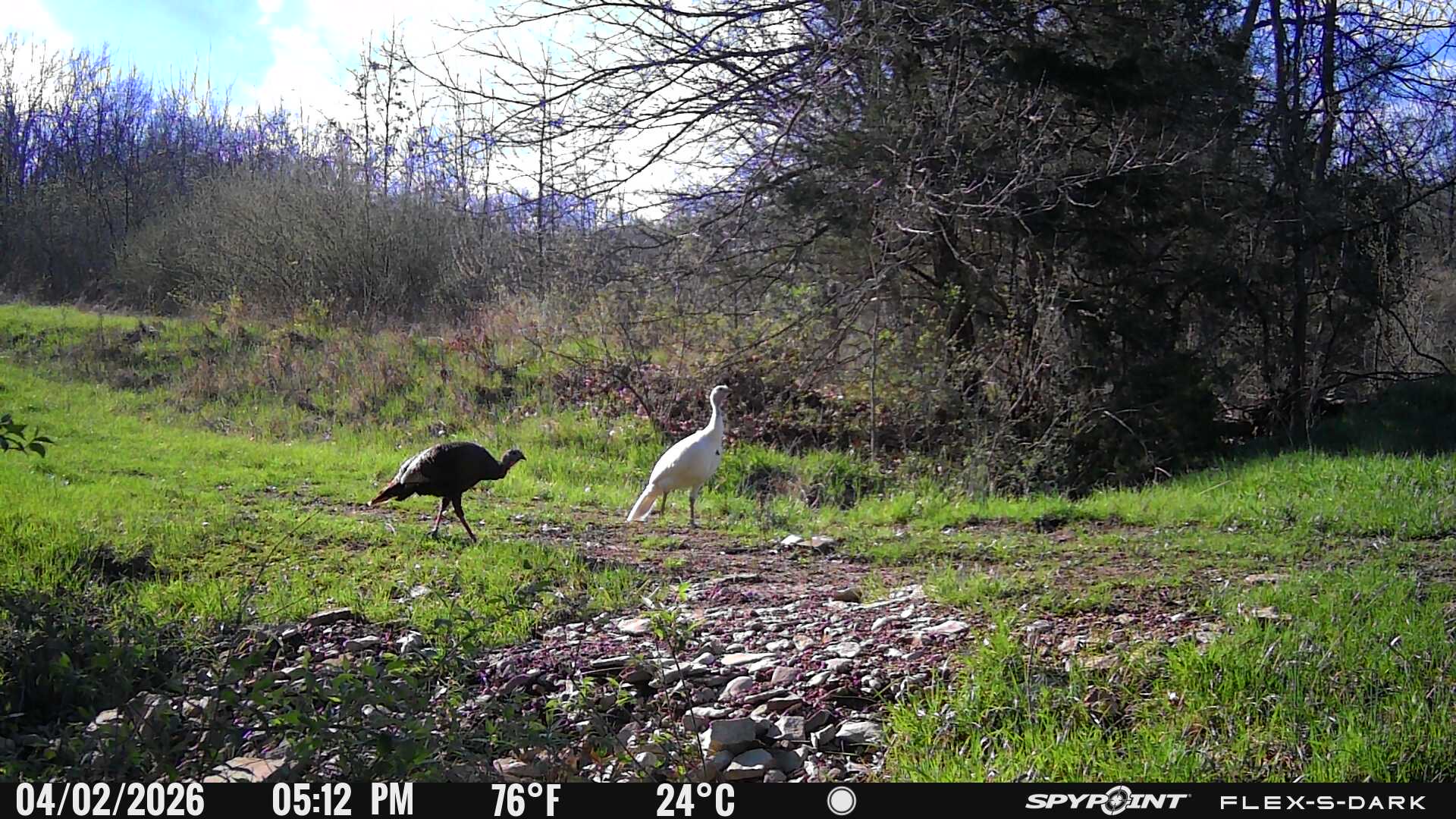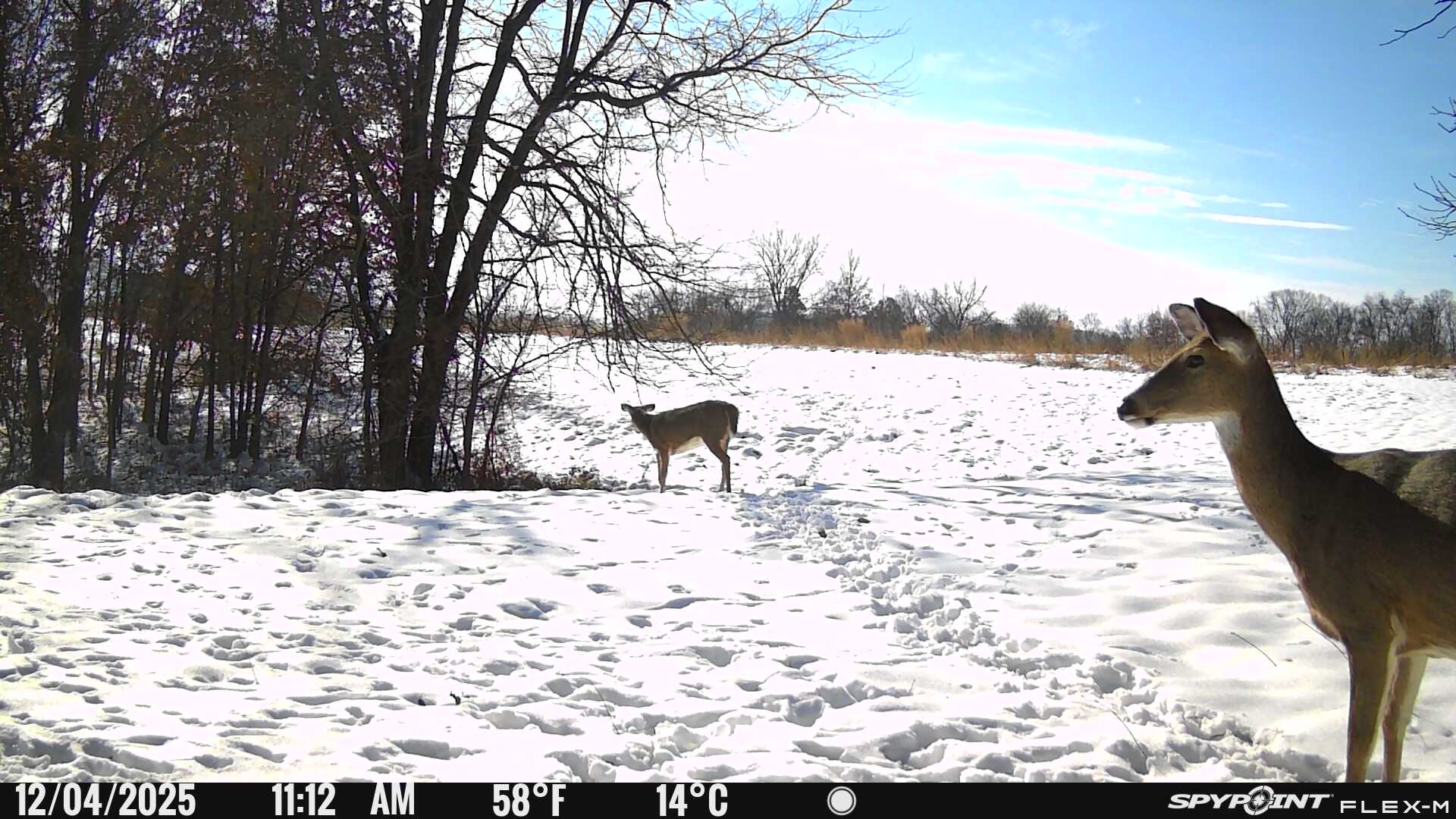
Winter is one of the best times to scout. Deer shift patterns, food sources tighten up, and those late-season daylight moves can tell you a lot about what survived the rut. But cold weather is also the toughest test for trail cameras, especially battery life.
As temperatures drop, battery performance drops with them. Cold slows the chemical reaction inside batteries, which means they produce less usable power and drain faster than they do in mild weather. Add shorter days and less sunlight, and cameras working great in October can start struggling by January.
The fix is not complicated. A few smart adjustments can keep your SPYPOINT camera running strong all winter long.
1. Go Solar for More Power
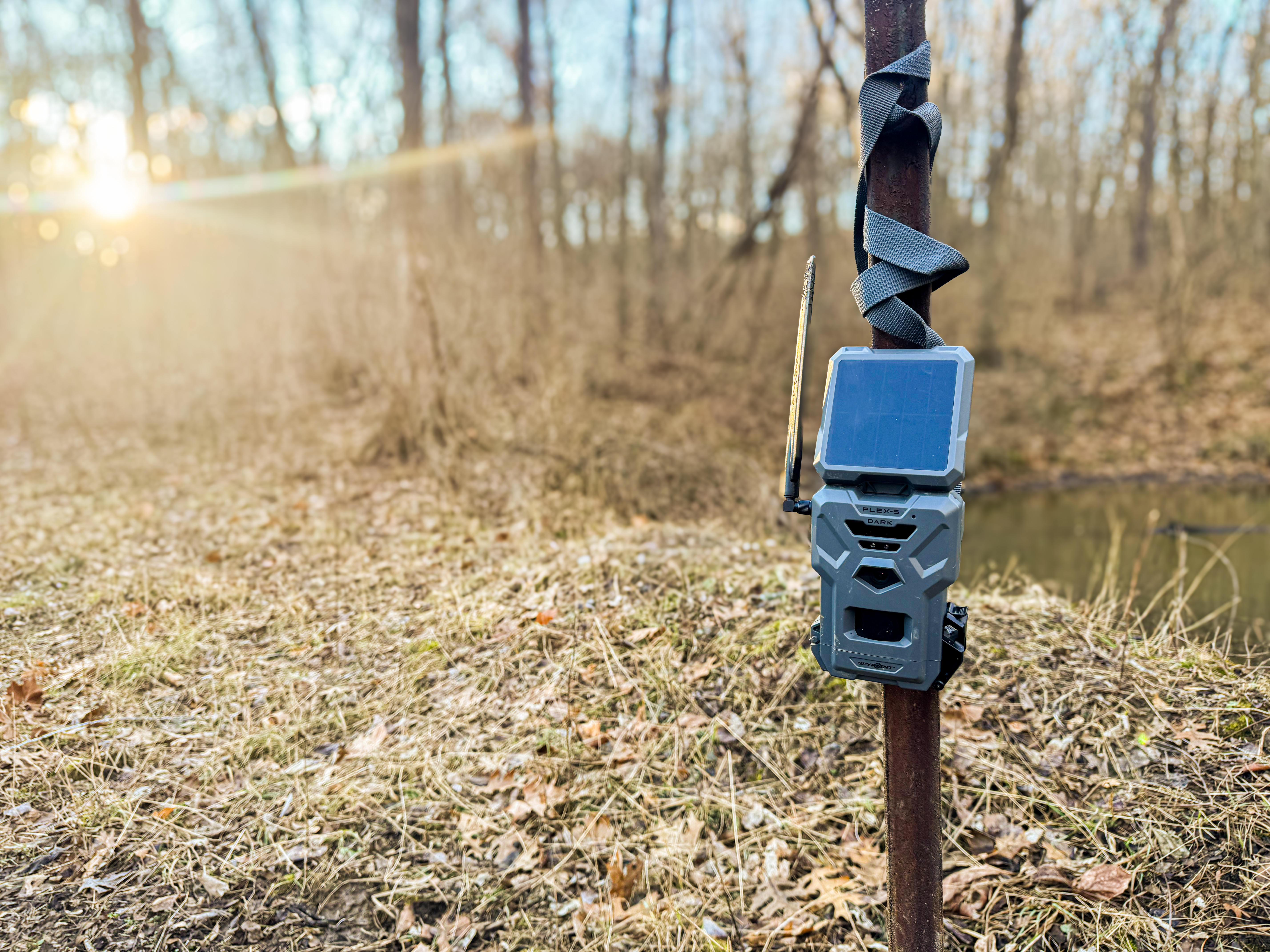
One of the best ways to beat winter battery drain is to add solar support. Solar-ready cameras like the FLEX-S-DARK are built for long-term field use and pairing any compatible camera with a 5W or 10W SPYPOINT Lithium Solar panel and a LIT-22 rechargeable battery pack adds dependable backup power when temperatures fall.
Solar power helps offset cold-related battery loss and keeps cameras transmitting longer without frequent site visits, which matters even more when snow and ice make access difficult.
Pro tip: Keep solar panels clear of snow, ice, and debris. Even a thin layer can impact charging performance. A quick wipe when checking the area can make a big difference.
2. Switch to Photo Mode
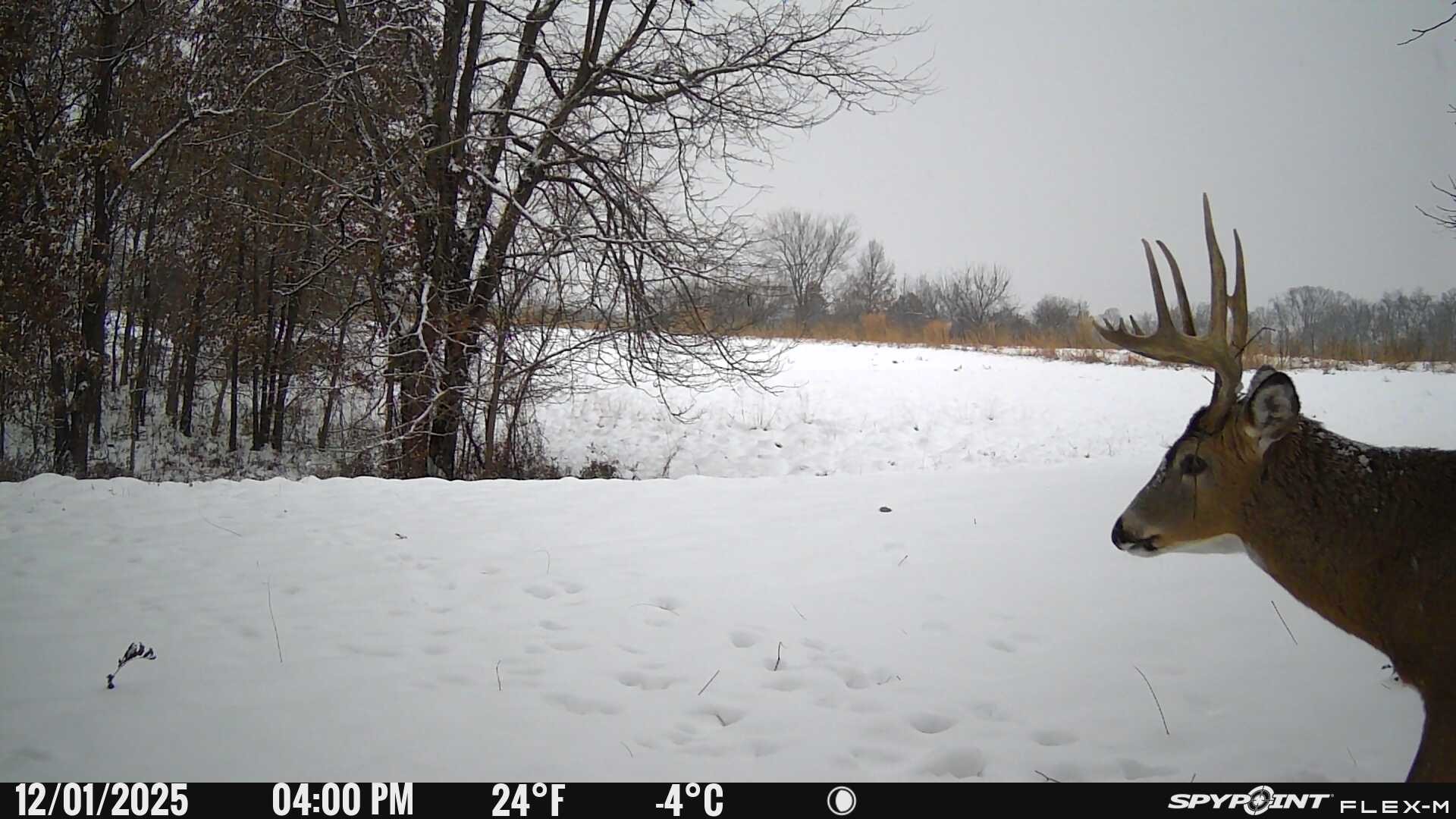
Videos are great, but they demand more battery power to record and send. If winter performance is the priority, switching to photo mode is a simple way to extend run time while still capturing plenty of usable intel.
Photos take less energy per trigger, and fewer heavy uploads means your camera stays active longer between power drops.
Pro tip: Still want videos? Adjust your camera schedule so the camera is active from late afternoon through early morning, when wildlife is typically most active. You get the clips you want without draining power all day.
3. Reduce the Sync Frequency
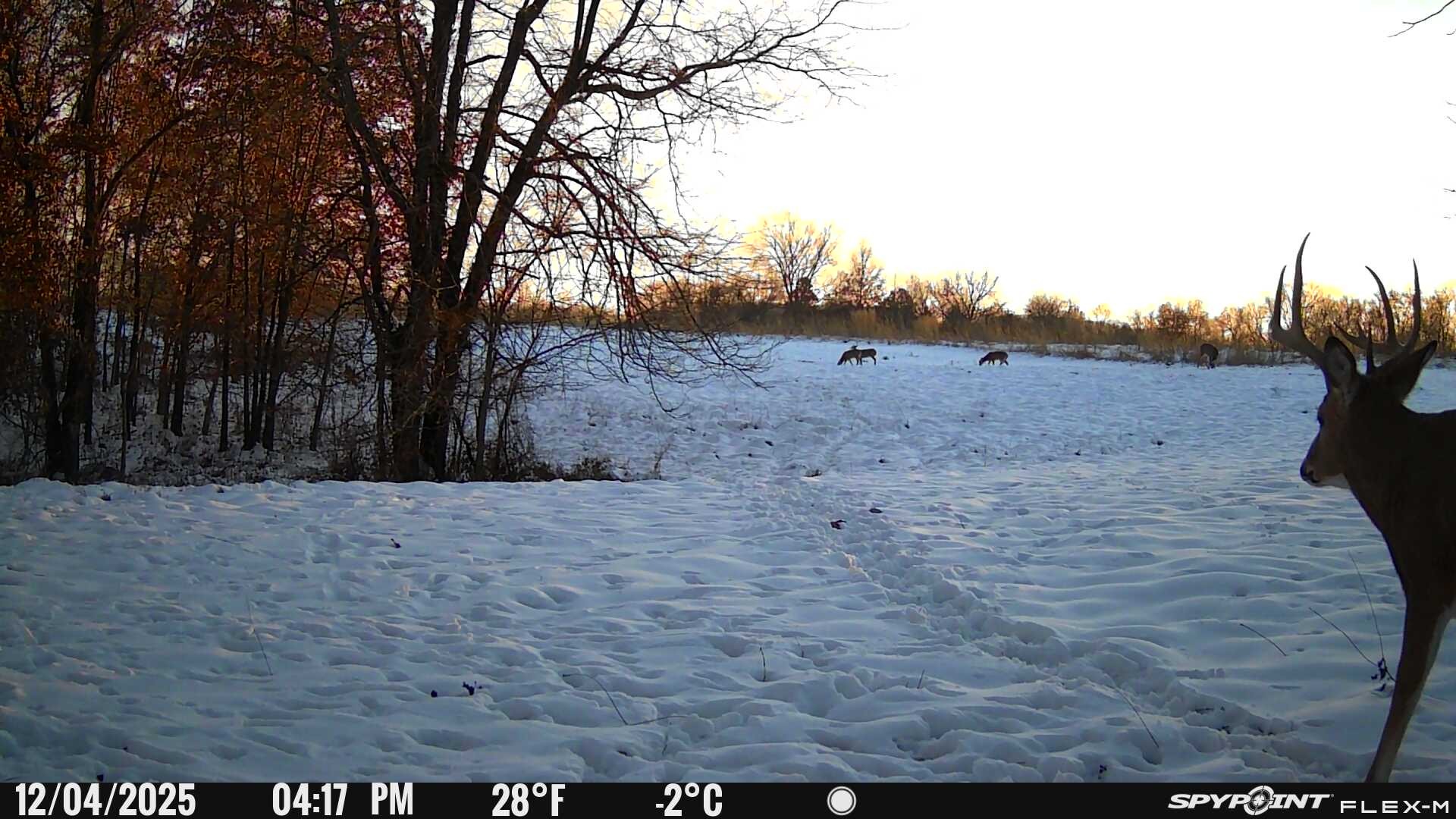
Another easy winter win is lowering how often your camera syncs and sends images. Setting sync frequency to once per day cuts down on transmissions, which is one of the biggest battery drains in cold weather. Your camera will still capture everything that walks by. It just sends it in fewer batches.
This is especially useful for remote setups, feeders, food plots, or travel corridors where you want consistent monitoring but do not need immediate updates.
Pro tip: Sync frequency can be adjusted anytime in the free SPYPOINT app. If movement picks up or conditions improve, bump it back up in seconds without touching the camera.
Stay Dialed in All Winter
Cold weather does not have to mean dead cameras or missed scouting intel. Solar support, photo mode, and a lower sync frequency can stretch battery life and keep your SPYPOINT camera working deep into winter.
Make a couple tweaks now, and your cameras will keep delivering the kind of late-season and winter-pattern information that helps set you up for next fall.