Ask a group of crossbow hunters to name the best crossbow broadhead, and you will likely get a different answer from everyone around the table. Some hunters are devoted to fixed-blade broadheads, while others will not head afield without a mechanical broadhead. Brand loyalty, past success, arrow speed, the game being hunted, and even the type of target used for practice can influence the answer.
I have shot and hunted with dozens of broadheads over the years. Most worked and performed extremely well. Modern broadheads are engineered to be accurate, durable, and lethal, and there are excellent choices from SEVR, Rage, Muzzy, G5, Tooth of the Arrow, and many other manufacturers.
So, which one is best?
The answer is the broadhead that provides you with the greatest confidence. That confidence starts on the range and grows with every successful crossbow hunting experience.
Accuracy Comes First
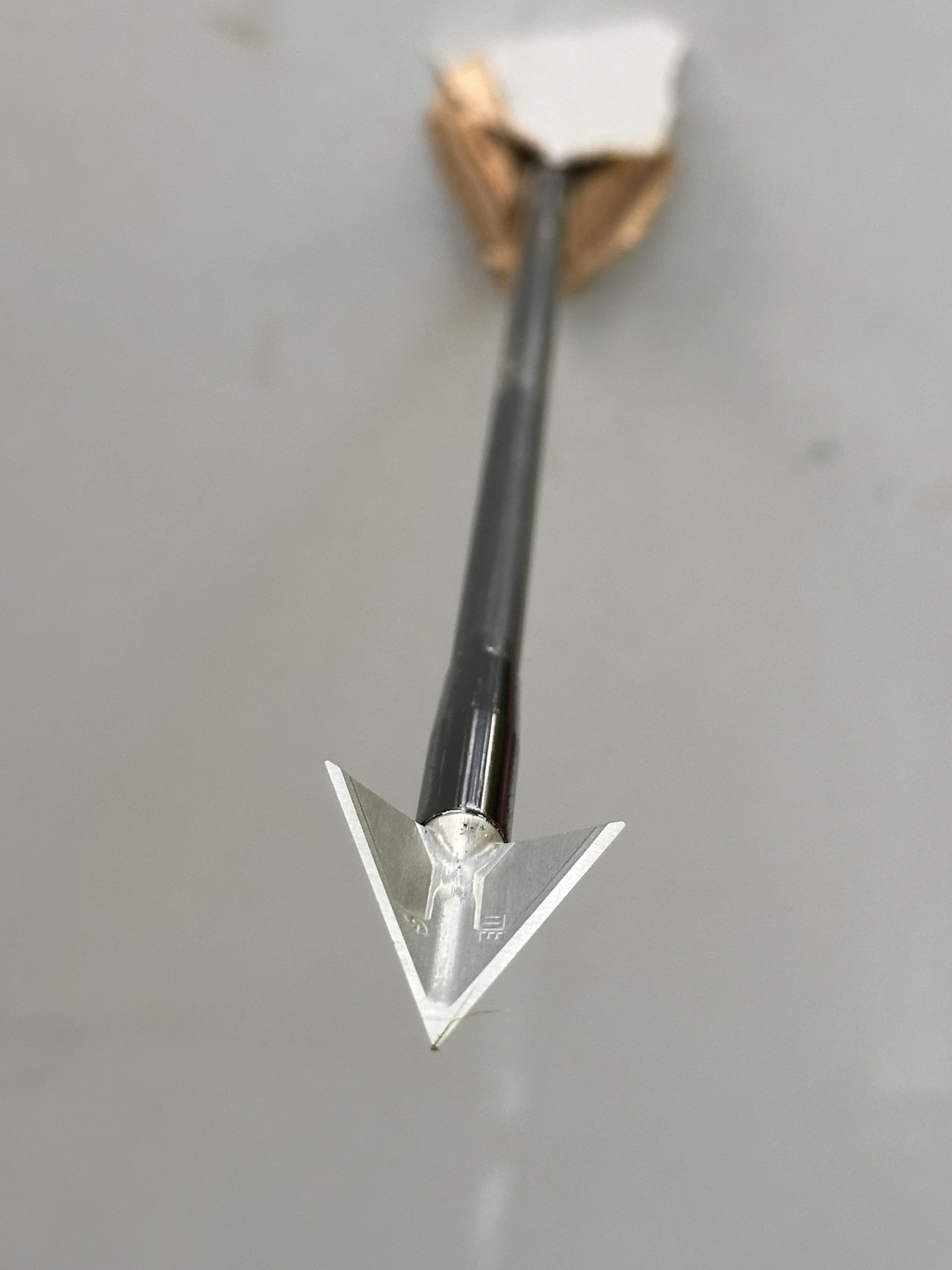
A broadhead can be tough, sharp, and capable of creating a tremendous wound channel, but none of those attributes matter if it does not hit where you aim. Broadhead accuracy is always the first requirement.
Every broadhead intended for hunting should be shot before the season. Never assume it will strike in the same place as a field point because the package says it will. Crossbows generate tremendous speed and energy, and small inconsistencies in an arrow, insert, broadhead, or vane can affect flight.
Shoot every hunting arrow with the broadhead installed. Start at 20 yards and compare its point of impact with your field points. Once it is grouping consistently, move back in practical increments. Mark and number arrows that group exceptionally well and reserve them for hunting.
This process does more than identify accurate equipment. It builds familiarity and removes doubt. When an animal walks into range, you should already know exactly where that arrow and broadhead will hit.
Fixed or Mechanical?
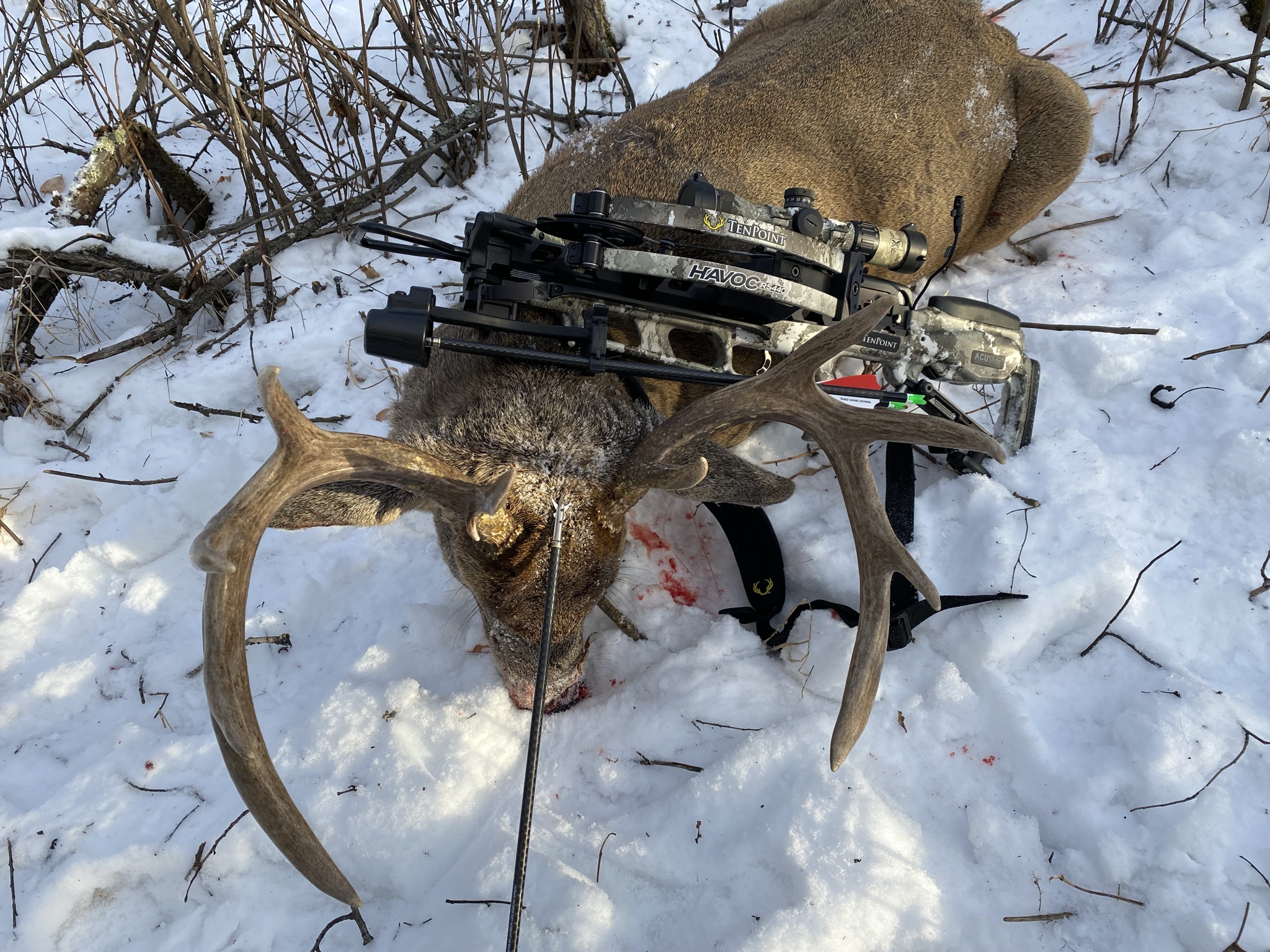
Fixed-blade broadheads remain popular because they are simple, rugged, and dependable. Models such as the Muzzy Trocar and MX-3, G5 Montec M3, and Tooth of the Arrow V Series offer compact profiles, strong construction, and excellent penetration. A fixed blade has no deployment system and is ready to cut the instant it touches an animal.
The trade-off is that fixed blades can require more broadhead tuning. Their exposed blades catch air, and the faster the crossbow, the more any inconsistency can influence flight. A properly tuned fixed blade can be extremely accurate, but hunters must put in the range time to prove it.
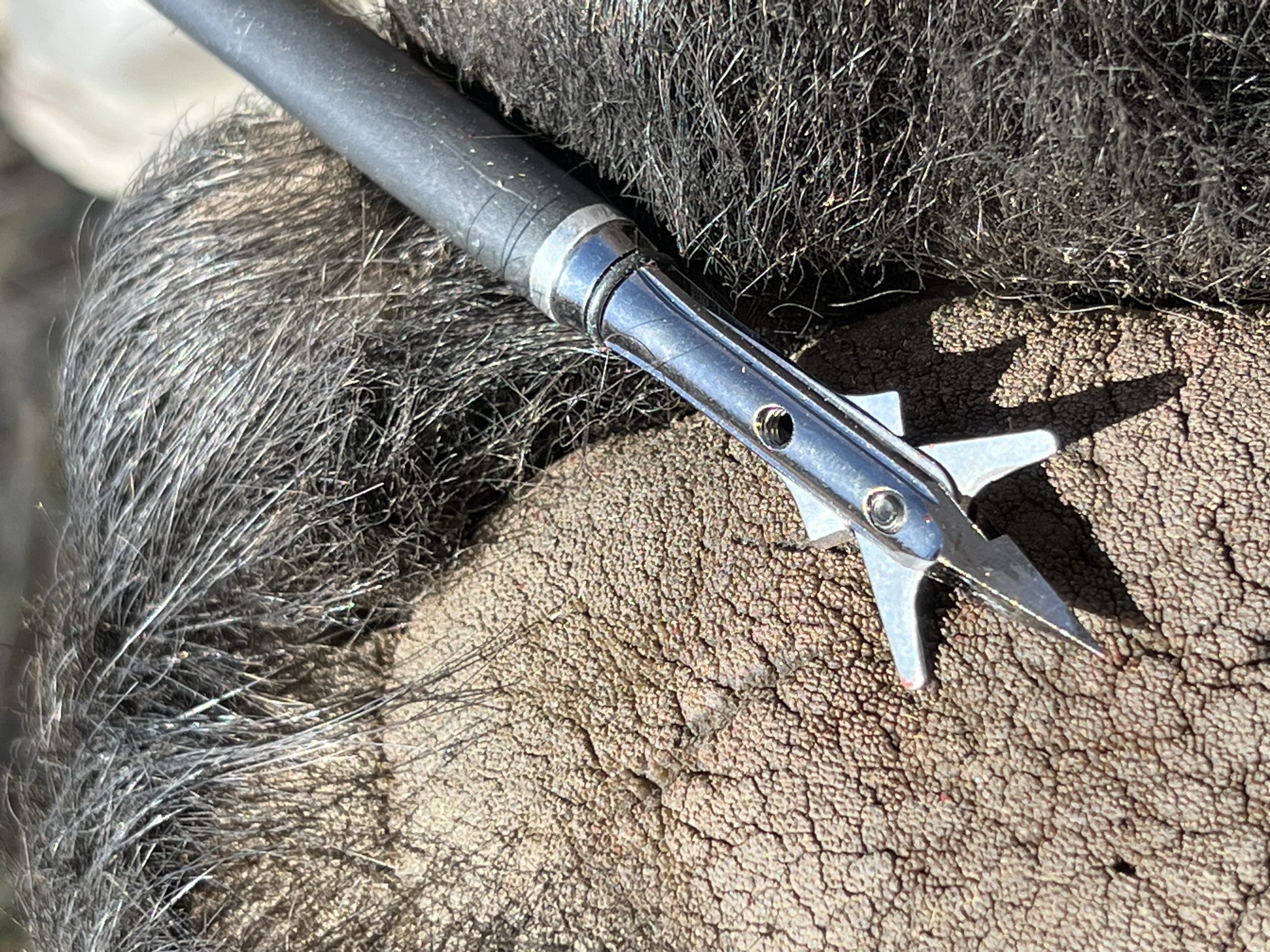
Mechanical broadheads have a compact in-flight profile and generally fly close to a field point. The blades deploy on impact to create a wider cutting diameter. Rage has been an important name in this category, with its Hypodermic, Trypan, and Hypo designs providing field-point-like accuracy and large wound channels. G5’s MegaMeat is another mechanical option that combines a three-blade design with a large cutting diameter.
Hybrid broadheads provide a third choice by combining fixed cutting surfaces with expandable blades. The Muzzy Trocar HB is a good example, offering the immediate cutting action of a fixed blade and the larger wound channel of a mechanical.
There are excellent choices in every category. The important consideration is matching the head to the crossbow, arrow, and animal. A large cutting diameter can produce impressive blood trails, but it also requires energy to open and push through tissue. A compact fixed head or smaller-diameter mechanical may offer increased penetration on heavy-boned game. Arrow weight, speed, momentum, shot angle, and placement are all part of the equation.
Test More Than Flight
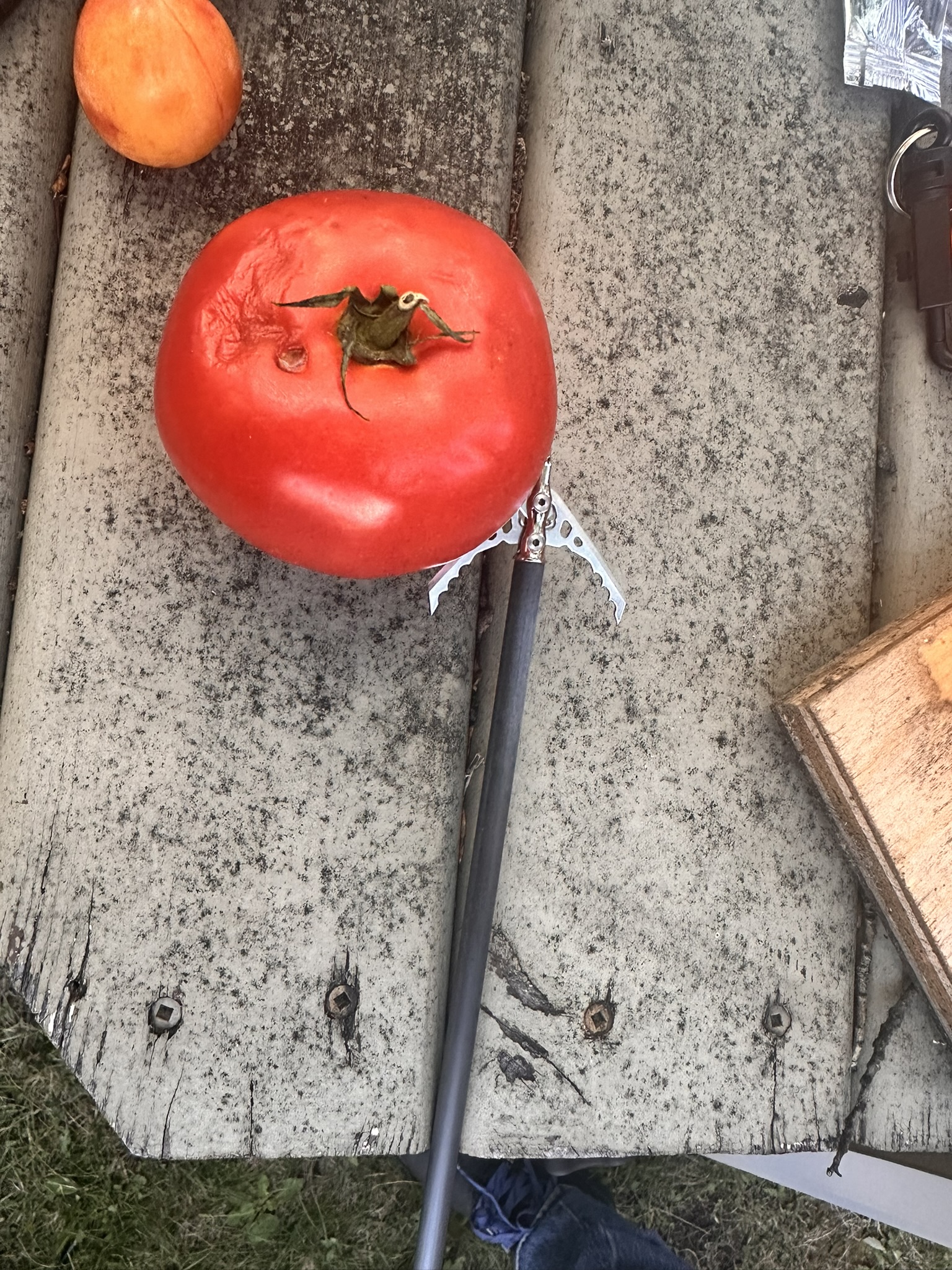
Sharpness is critical. A broadhead kills by cutting vital tissue and creating rapid blood loss. Check every blade rather than assuming a new head is hunting-ready.
A sharp blade should slice paper cleanly, shave hair, or bite into a thumbnail without sliding. A ripe tomato or stretched elastic band can also reveal whether an edge cuts immediately or pushes the material out of the way. Use extreme caution when conducting any sharpness test. Broadhead blades can cause serious injuries before they ever leave the bow.
Durability is also worth considering. Hunters often talk about bone-breaking performance, but an ethical shot should always be directed through the vital area rather than intentionally at a heavy shoulder. Ribs and other bones can still be encountered, so the ferrule, tip, and blades must remain intact and continue driving forward.
I have tested broadheads by shooting through a half-inch medium-density fiberboard before the arrow entered a broadhead target. It was not a perfect substitute for an animal, but it provided a consistent way to compare penetration, structural integrity, and blade performance. The encouraging result was that there was not a bad broadhead in the group. The differences were more about individual features and matching a head to a specific purpose.
Field Experience Builds Trust
Range testing creates the foundation, but hunting experience turns accuracy into confidence. Successful performance on deer, elk, moose, bears, or other game provides the real proof.
My search for the best broadhead started years ago after shooting my first moose with a fixed three-blade head. The bull was 28 yards away and traveled only 15 yards after the shot. The broadhead penetrated the vitals and reached the far shoulder, but when I recovered it, one blade was missing and the ferrule was badly bent.
The result was successful, but the condition of the broadhead left me questioning how it would perform the next time. Confidence is not just about recovering an animal. It is knowing your equipment performed as expected and trusting that it will do so again.
That does not mean a broadhead should be discarded because it bends or breaks after driving through heavy bone. Any head can be damaged under extreme conditions. However, repeated accuracy, penetration, and terminal performance create a history that a hunter can rely on.
My Confidence Broadhead
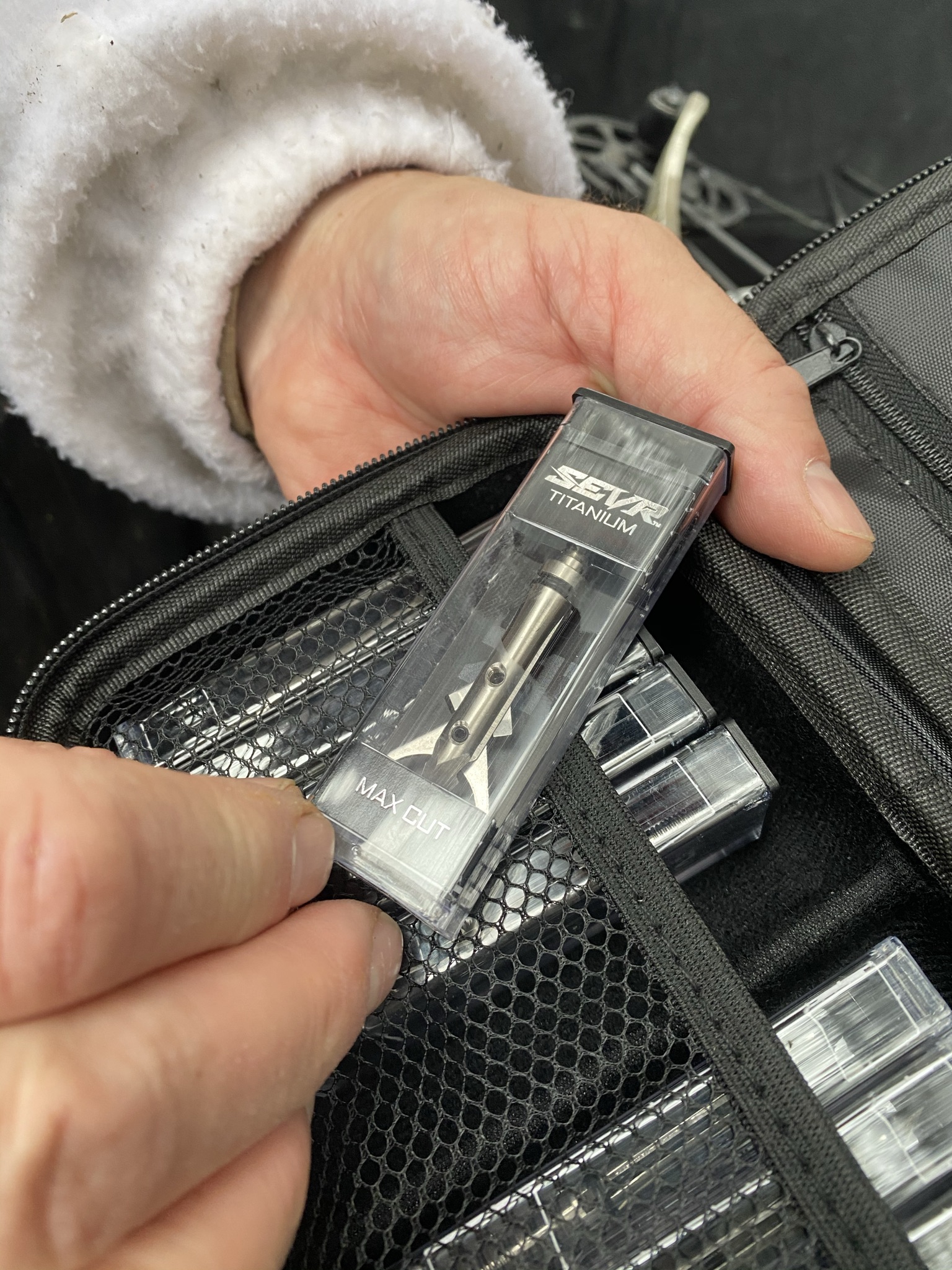
My confidence head is a SEVR. That trust began on the range, where the heads consistently demonstrated near-field-point accuracy. The Practice-Lock feature allows the blades to be locked closed so I can shoot the actual broadhead I intend to hunt with. I can verify every arrow-and-broadhead combination without deploying or dulling the blades.
Confidence grew in the field. My introduction to SEVR was on a Florida hog hunt, where three big boars provided an excellent test of penetration and terminal performance. Since then, I have used SEVR heads on moose, elk, deer, black bears, antelope, hogs, and African plains game.
The Lock-and-Pivot blades deploy and lock open on impact but can pivot when encountering bone, helping the arrow continue on its path. I have used the Ti 1.5 when penetration was the priority, the Ti 2.0 for its wide cutting diameter, and the 150-grain Robusto when I wanted added weight and momentum.
One old whitetail buck was approximately my 30th animal taken with a SEVR. The arrow struck low behind the shoulder, severed the heart, and produced a devastating entrance and exit. The buck took two steps, leaned against a tree, and collapsed less than eight feet from where it had been standing. The following spring, a large black bear traveled only six yards after a 21-yard shot.
Those experiences are why SEVR is my confidence broadhead. Other hunters may reach the same level of trust with Rage, Muzzy, G5, Tooth of the Arrow, or another proven head. There are many outstanding choices.
The best crossbow broadhead is not determined by advertising, cutting diameter, or someone else’s opinion. It is the one you have tested, tuned, and proven. The head you trust to fly true and perform properly when the shot finally matters.
By Brad Fenson