Every deer hunter has heard it at camp.
“Wait for the right moon.”
“Don’t miss that high-pressure day.”
“Big bucks move when the barometer jumps.”
There is some truth hidden in all of that, but moon phase and barometric pressure are not magic switches. They are clues. The best hunters use them alongside trail camera history, wind direction, temperature, hunting pressure, food sources and rut timing to decide when to be in the stand.
Research on deer movement shows that moon phase, weather, wind, barometric pressure and other conditions can influence activity at certain times, but those effects are often less consistent than daily movement rhythms such as dawn and dusk. GPS-collar research has shown that deer remain largely crepuscular, meaning they are most active around low-light periods, and that moon phase alone is not a perfect predictor of movement.
That does not mean moon and pressure are useless. It just means they should help fine-tune your plan, not replace scouting.
The Short Answer
If you are looking for the best overall combination, focus on this:
A good wind, recent trail camera activity, cooling temperatures and stable or rising barometric pressure after a weather front.
If that lines up with a favorable moon phase, even better.
The biggest mistake is picking a stand based only on the moon or the barometer while ignoring what your cameras, access route and wind are telling you.
What Moon Phase Really Tells You
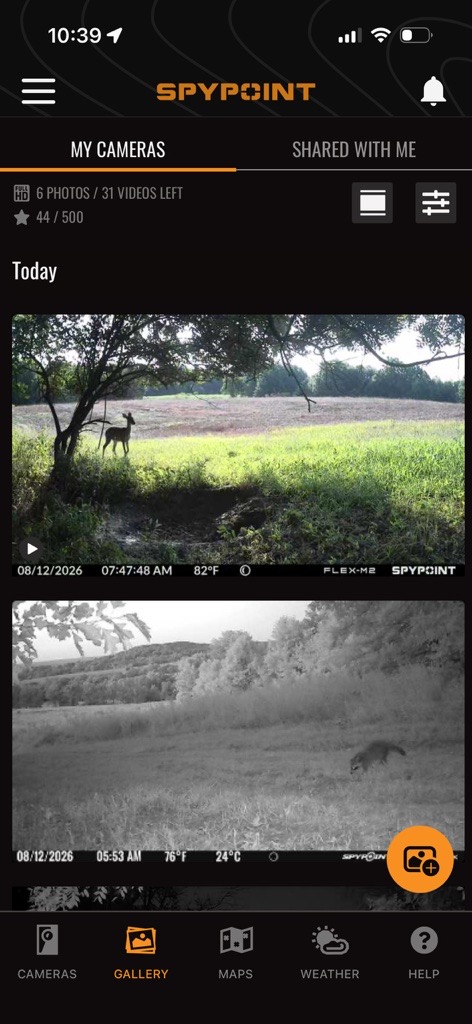
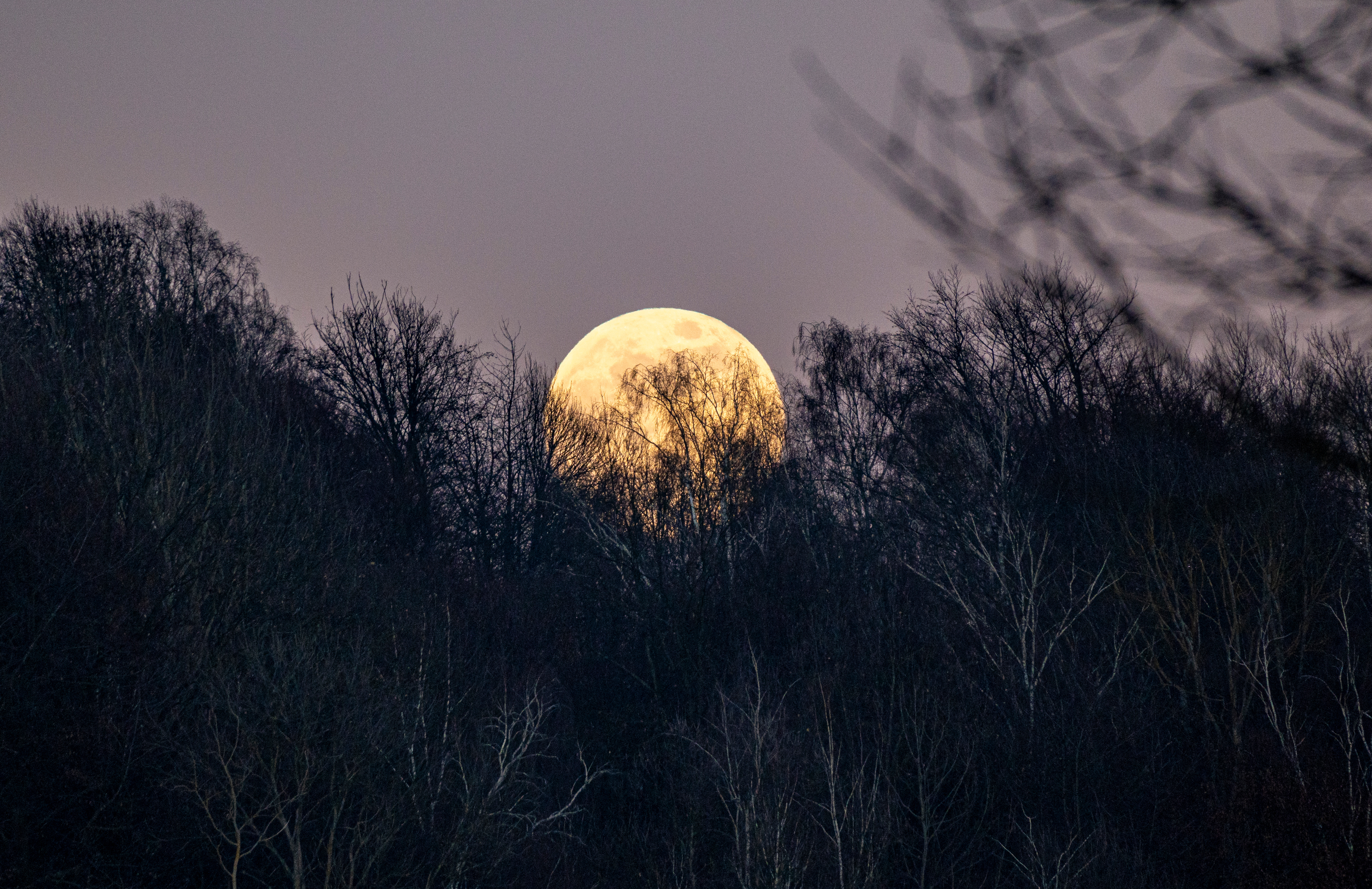
Moon phase gets a lot of attention because it is easy to track and easy to talk about. Full moon, new moon, rising moon, overhead moon, underfoot moon, everyone has a theory.
The reality is more complicated.
Some studies have found small or inconsistent relationships between lunar factors and deer activity, while others have found that overall movement still revolves heavily around time of day, season and other conditions. Mississippi State University Extension notes that researchers used GPS-collared bucks over two years to compare moon theories with actual movement behavior, while Auburn research found that moon-related factors affected deer activity in some seasons and times of day, but were typically less pronounced than daily activity rhythms. (MSU Extension)
For hunters, the takeaway is simple: use moon phase as a planning tool, not as a guarantee.
Best Moon Phases to Watch
New Moon
A new moon means darker nights. Many hunters like this phase because deer may feel less comfortable feeding heavily in the wide open all night long.
From a practical hunting standpoint, new moon periods can be a good time to focus on traditional morning and evening sits, especially near food sources, travel corridors and bedding transitions.
This is a good moon phase to pair with fresh cold fronts, clean access and recent SPYPOINT camera activity.
Full Moon
A full moon often gets blamed for slow morning hunts because deer may feed or move more at night when visibility is high.
That does not mean you should skip hunting during a full moon. It may simply mean adjusting your strategy.
During a full moon, especially in the rut, late-morning and midday movement can be worth paying attention to. Bucks may still get on their feet to check does, move between bedding areas or adjust after a night of feeding.
If your SPYPOINT cameras show daylight movement during a full moon window, trust the intel.
Quarter Moons
First-quarter and last-quarter moon phases are often overlooked, but they can be solid hunting windows because they do not carry the same strong expectations as new or full moons.
These phases are good times to lean on your trail camera history and weather conditions. If deer have been moving during daylight, and the wind and pressure line up, there is no reason to sit out because the moon is not “perfect.”
What Barometric Pressure Really Tells You
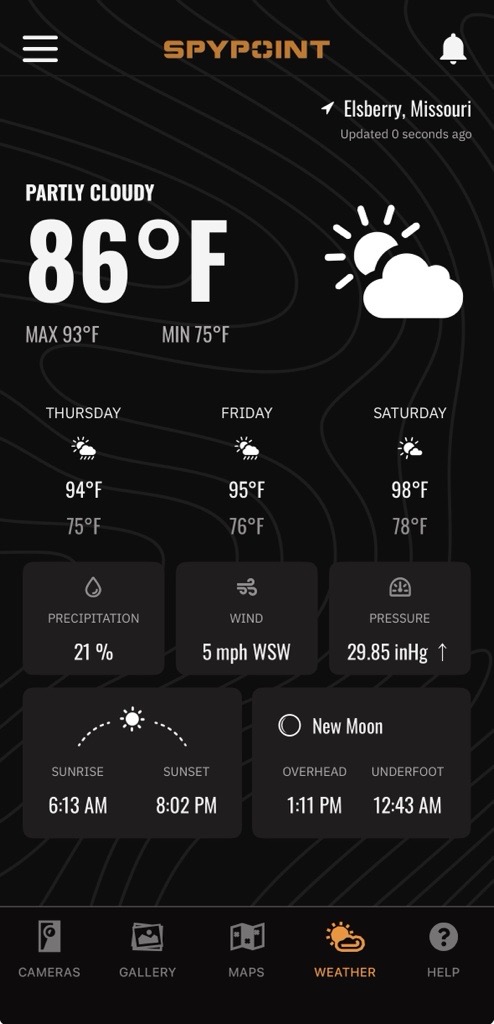
Barometric pressure measures the weight of the air. In hunting terms, it is usually discussed because changes in pressure often come with changing weather.
That is the key point: the change may matter more than the number.
Auburn research found that changes in barometric pressure were a better predictor of activity than the pressure reading at the exact moment of deer activity, though patterns were not consistent across sex, season or time of day.
So instead of asking, “What number is best?” a better question is:
“What is the weather doing right now, and how are deer responding to it on my property?”
Best Barometric Pressure for Deer Hunting
Many hunters like to see barometric pressure around 30.00 inches and rising, especially after a front passes through. That often comes with cooler temperatures, clearing skies and a shift in wind, all of which can make deer more comfortable moving.
A falling barometer before a storm can also be productive. Deer may feed before rough weather arrives, especially if temperatures are dropping and the front is strong enough to change normal movement.
The best pressure situations to watch are:
Rising pressure after a front
Stable high pressure with cool temperatures
Falling pressure before major weather
Pressure changes paired with a good wind and daylight camera activity
A high-pressure day with the wrong wind is still the wrong day for that stand.
Pair Moon Phase With Barometric Pressure
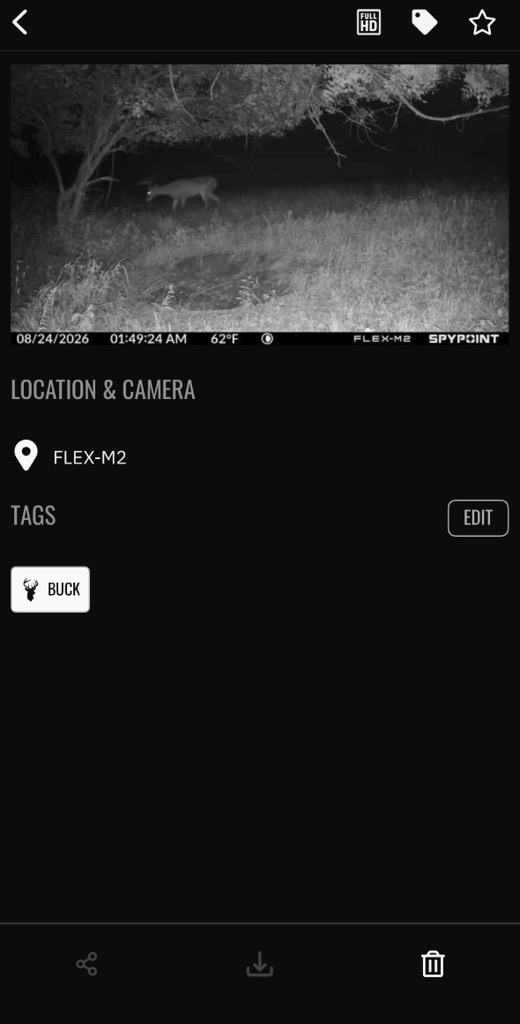
The best hunting days usually come when multiple factors line up.
For example, a new moon with rising pressure after a cold front can be a strong morning or evening sit. A full moon during the rut with stable pressure may make a late-morning sit more appealing. A quarter moon with falling pressure ahead of a storm could be worth watching near food.
The moon can help you choose the time of day. Barometric pressure can help you understand the weather change. Your cameras tell you what is actually happening.
That last part matters most.
Why the FLEX-M2 Is a Strong Option for Patterning Deer
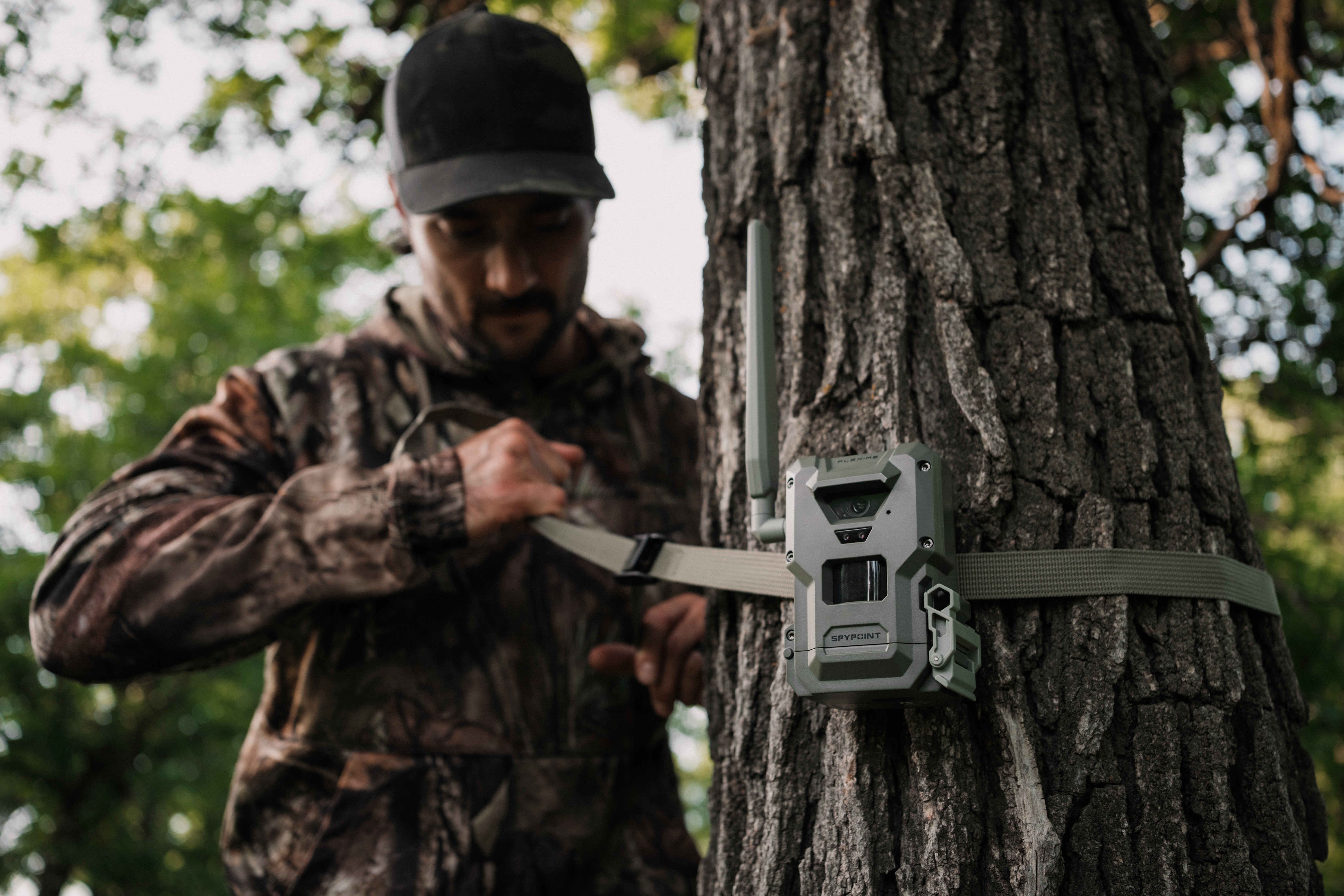
When you’re trying to compare deer movement with moon phase, barometric pressure and weather trends, reliable camera coverage matters. The new SPYPOINT FLEX-M2 gives hunters an affordable cellular trail camera option with 32MP photos, 1080p videos with sound, a 0.4-second trigger speed, and Dual-SIM technology that automatically connects to the strongest available network. Those features make it a strong fit for monitoring food sources, travel corridors and stand locations while using the SPYPOINT app to review movement patterns tied to real conditions. The FLEX-M2 also includes Time-Lapse, Time-Lapse+, scheduling, GPS camera locator, HD photo and video requests, and BUCK TRACKER™ AI, giving hunters more ways to track daylight activity and make better decisions before the next sit.
Use the SPYPOINT App to Confirm the Pattern
Moon phase and barometric pressure become more useful when you compare them to real deer movement on your property.
Using the SPYPOINT app, hunters can review key weather details tied to camera activity, including wind direction and speed, temperature, barometric pressure, sunrise and sunset times. Over time, this helps you see which conditions consistently produce daylight movement on your cameras.
Instead of guessing whether deer “should” move, you can look back at your own photo and video history and ask better questions.
Did that buck move after the pressure started rising?
Did does hit the food plot earlier ahead of a front?
Did your best daylight photos happen near sunrise, sunset or later in the morning?
Did one stand produce better when pressure was stable and the wind came from a certain direction?
That is how moon phase and barometric pressure become useful. Not as stand-alone rules, but as part of a larger pattern.
Best Strategy for Real-World Hunters
If you are trying to decide when to hunt, prioritize your factors in this order:
Recent daylight camera activity
Correct wind for the stand
Clean access and exit
Temperature change or front movement
Barometric pressure trend
Moon phase
Moon phase can help break a tie. Barometric pressure can help explain why deer may move. But your SPYPOINT camera history gives you the best look at how deer are actually using your property.
Final Thoughts
The best moon phase and barometric pressure to hunt deer are the ones that line up with real movement, a huntable wind and a smart setup.
Do not wait all season for the perfect moon. Do not hunt a bad wind just because the pressure looks good. Use the moon and barometer as tools, then let your trail cameras, weather data and woodsmanship guide the final decision.
When the right conditions line up with recent daylight activity, that is when you need to be in the stand.