For many hunters, July and August feel like the slowest months of the year. Deer season is still weeks away, temperatures are high, and opening day can seem a long way off.
But while hunters are waiting, bucks are establishing patterns that can provide some of the best scouting opportunities of the entire year.
Summer deer behavior is often the most predictable period of a mature buck's annual cycle. Understanding what bucks are doing during July and August can help hunters identify target bucks, locate key food sources, and develop a plan before opening day arrives.
Bucks Are Focused on Food
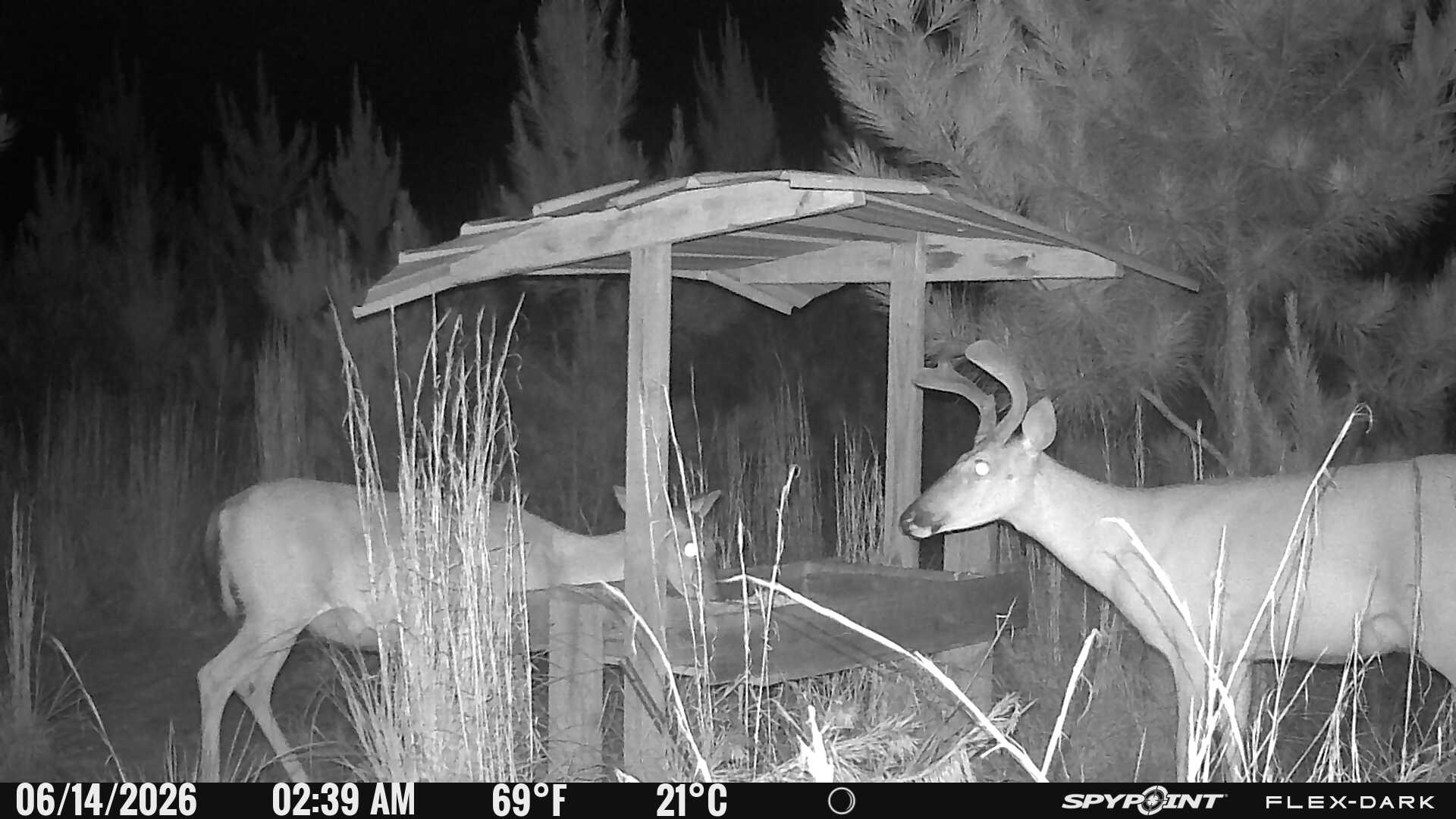
By mid-summer, a buck's primary job is simple: eat.
Antlers are growing rapidly, and bucks need large amounts of protein and nutrients to support that growth. Agricultural crops, food plots, natural browse, and mast-producing trees become major destinations.
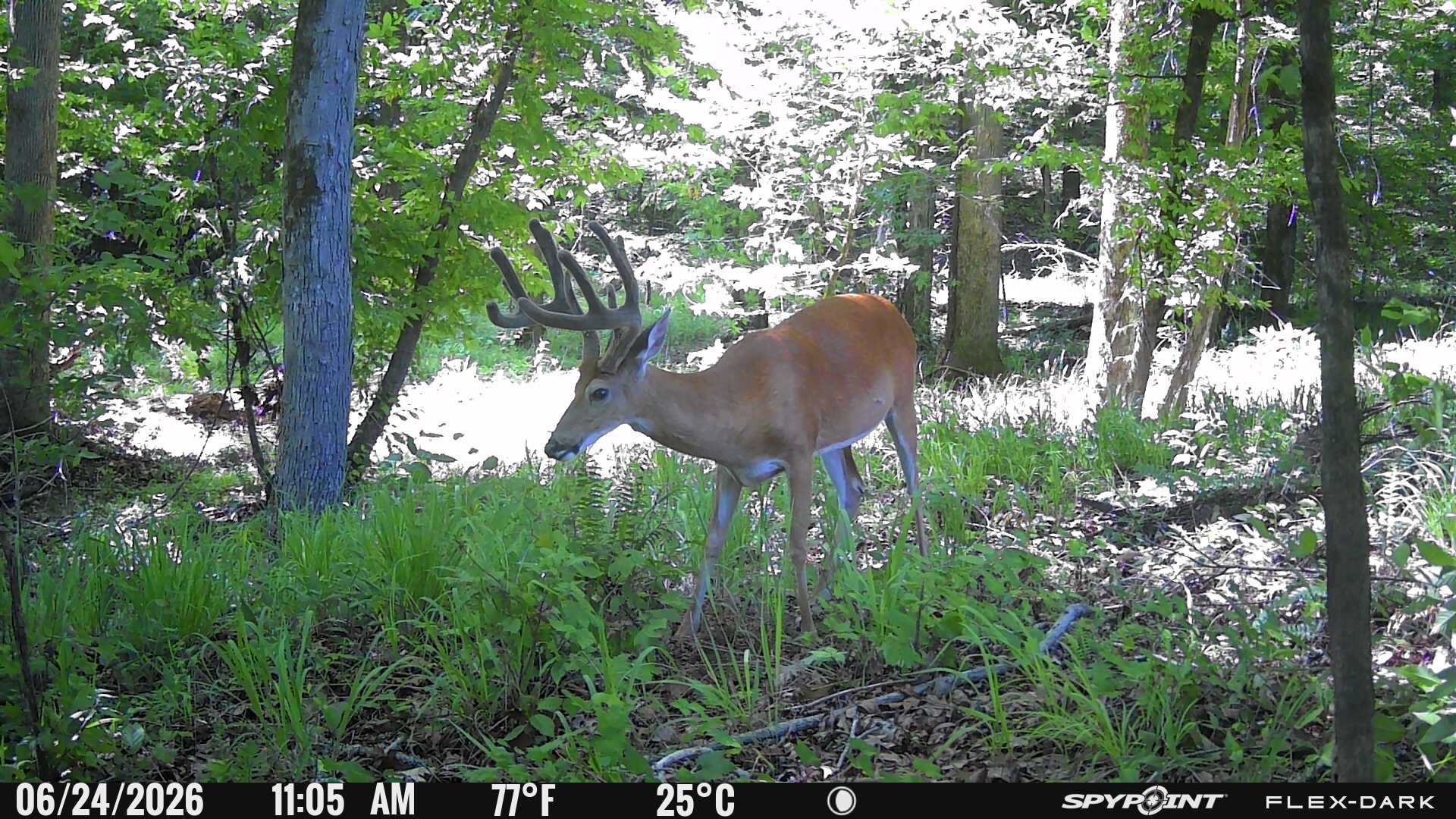
This is why summer trail camera photos often show bucks appearing in the same locations day after day.
Unlike the fall, there is no breeding pressure and limited hunting pressure. Bucks are simply focused on feeding and recovering from the demands of antler growth.
For hunters, this makes food sources some of the best places to run cellular trail cameras during the summer months.
Bachelor Groups Are Common
One of the most noticeable summer deer patterns is the formation of bachelor groups.
It's common to see multiple mature bucks feeding together throughout July and August. Bucks that may become rivals during the rut often tolerate each other during the summer while food is abundant.
These groups can provide valuable scouting information. A single trail camera photo may reveal multiple target bucks using the same area.
However, hunters should remember that bachelor groups rarely remain intact once velvet begins to shed and fall approaches.
The buck you see feeding with three other mature deer in August may be traveling alone by the time hunting season arrives.
Movement Is Often Centered Around Water
Hot temperatures increase the importance of water.
Ponds, creek crossings, cattle tanks, and other reliable water sources often see increased deer activity during summer. Bucks may visit water multiple times throughout a 24-hour period, especially during extended periods of heat.
Water sources can be excellent locations for cellular trail cameras because they often concentrate movement from multiple deer.
In areas experiencing drought conditions, water can become one of the most predictable locations on the property.
Velvet Bucks Follow Predictable Routines
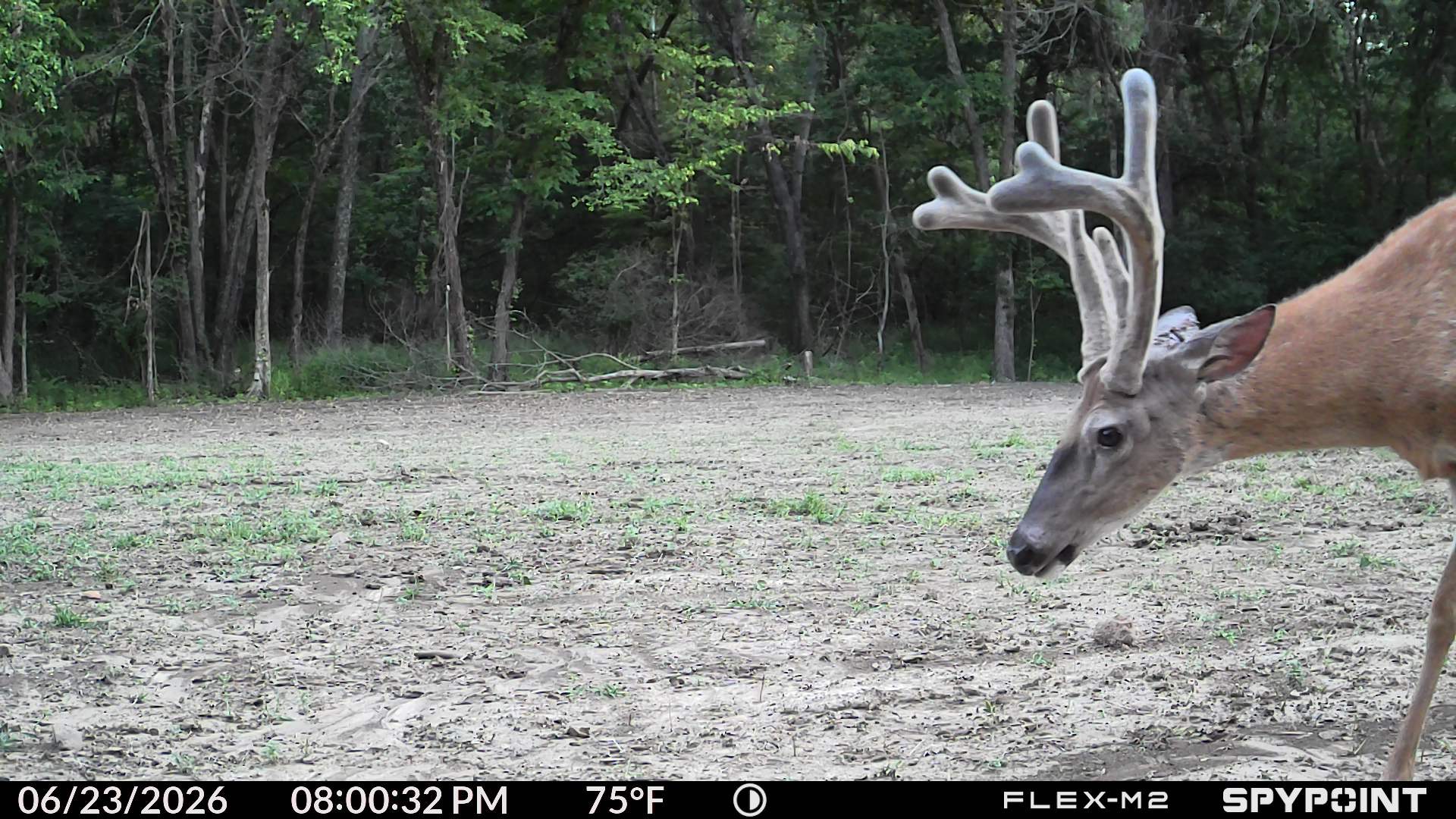
One reason hunters love summer scouting is because mature bucks often follow remarkably consistent patterns.
A buck may leave bedding cover, feed in the same field, visit the same water source, and return to the same general area day after day.
This consistency allows hunters to build an inventory of deer and learn which bucks are spending time on a property.
It's also the best time to identify potential target bucks before the chaos of fall begins.
Keep in mind that summer patterns are not always early-season patterns. Changes in crops, food availability, hunting pressure, and shifting social behavior can all impact movement once the season arrives.
Still, summer scouting provides an important starting point.
Bedding Areas Matter More Than You Think
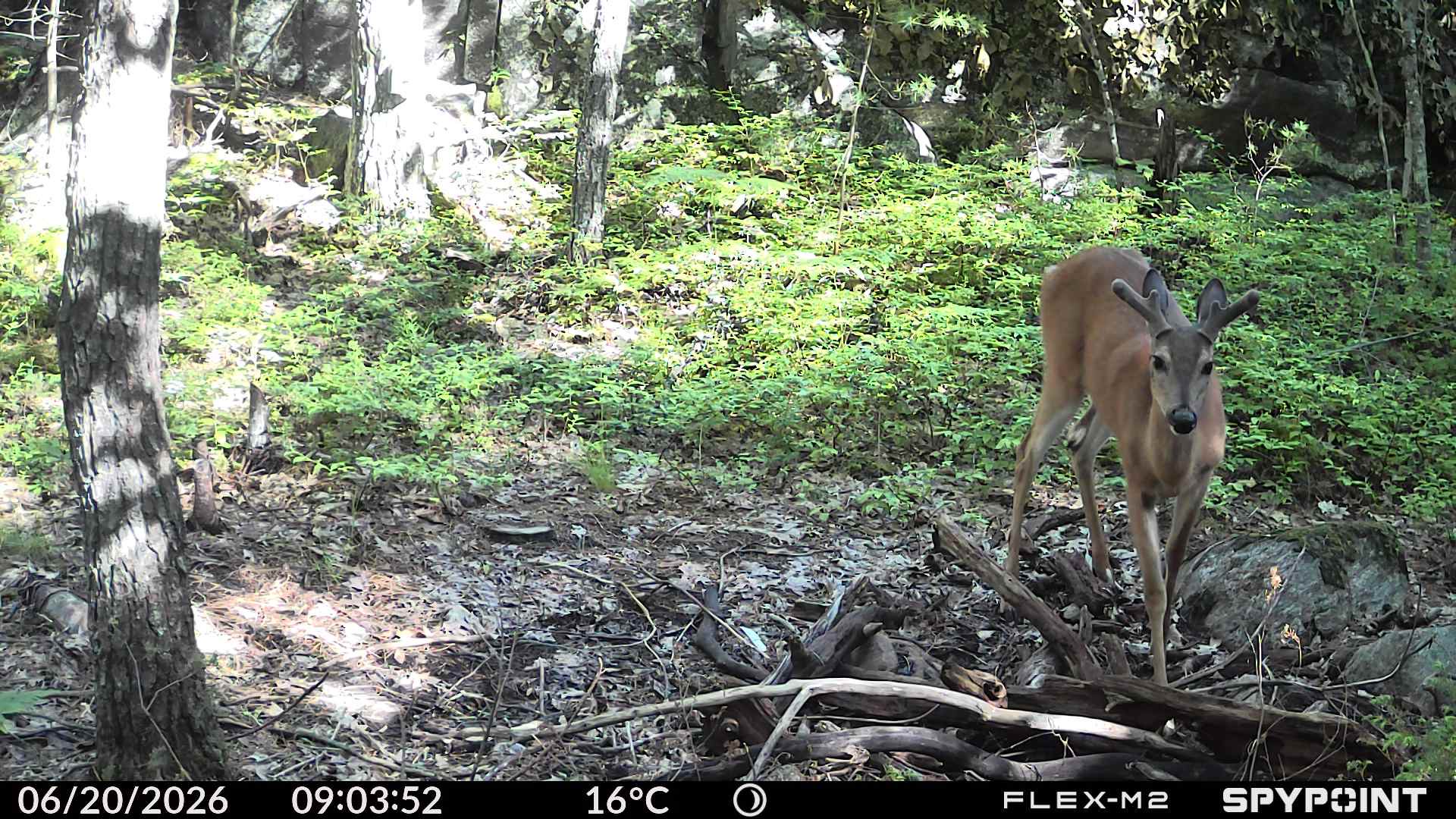
While food sources get most of the attention, bedding cover plays a major role in summer deer movement.
Mature bucks often choose bedding areas that provide shade, security, and access to prevailing winds. Creek bottoms, timbered ridges, overgrown field edges, and thick cover can all become preferred summer bedding locations.
Understanding where bucks are bedding helps explain why they appear at certain food sources and water locations.
Rather than simply knowing where a buck shows up, hunters can begin understanding how he uses the entire property.
Why Summer Is the Best Time for Cellular Trail Cameras
Summer is one of the easiest times of year to gather information without disrupting deer movement.
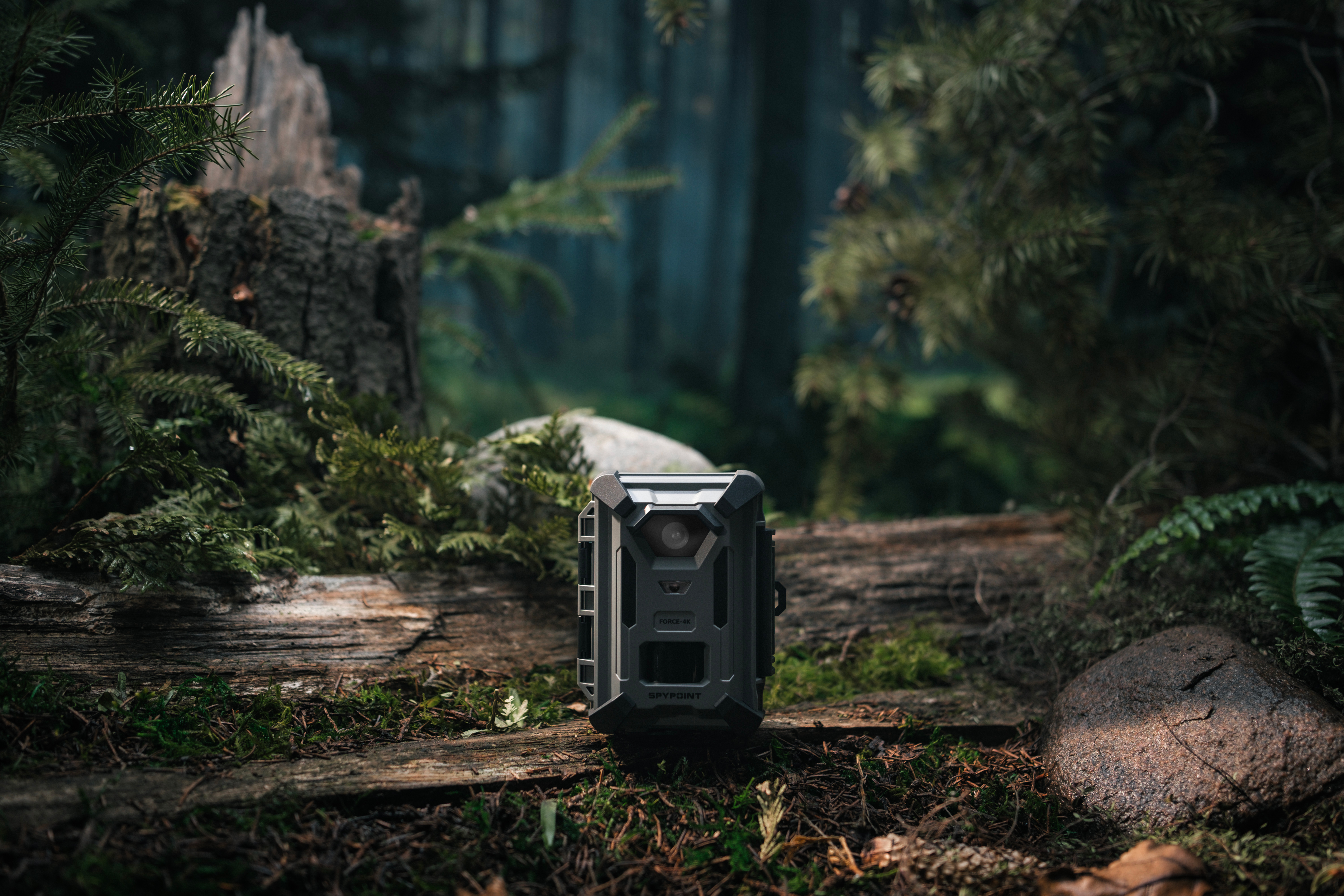
Cellular trail cameras allow hunters to monitor food sources, water holes, travel routes, and bedding-area edges without repeatedly entering the property.
Consistent monitoring can reveal:
- Which bucks are spending the summer on the property
- How antlers are developing
- When deer are moving
- Which food sources are attracting the most activity
- How weather conditions affect movement
The more information gathered during July and August, the easier it becomes to make informed decisions when hunting season arrives.
Use BUCK TRACKER™ AI to Monitor Target Bucks
Summer often means thousands of trail camera photos.
SPYPOINT's free BUCK TRACKER™ AI makes it easier to sort through that information by automatically filtering buck images from other wildlife activity.
Instead of scrolling through every squirrel, raccoon, and doe that walks past a camera, hunters can focus on the bucks they are most interested in monitoring.
For hunters running multiple cameras, this can save a tremendous amount of time while helping identify patterns more quickly.
Why the FLEX-M2 Fits Summer Scouting
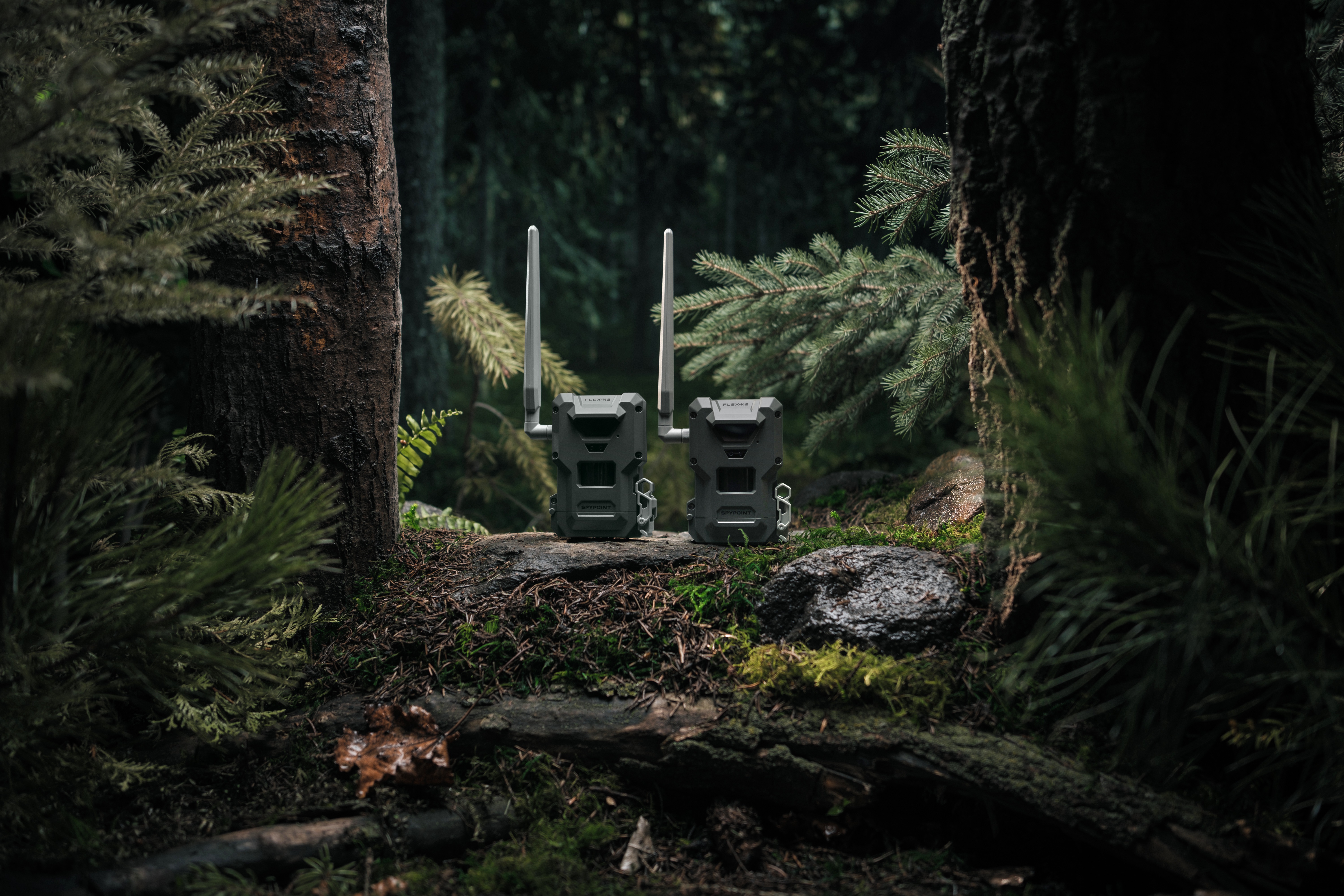
Summer is one of the best times to gather information without putting pressure on deer, and the SPYPOINT FLEX-M2 makes it easy to stay connected to your hunting property. With 32MP photos, 1080p videos with sound, and reliable cellular connectivity, the FLEX-M2 helps hunters monitor food sources, water holes, and travel routes all summer long.
Using the free SPYPOINT app, you can receive photos, request HD files, and manage camera settings remotely without stepping foot into the area. The FLEX-M2 also includes a free transmission plan with 100 photos per month, making it an affordable way to keep tabs on deer activity and build a plan before opening day arrives.
The Best Time to Scout Is Right Now
Many hunters think serious scouting begins just before opening day.
In reality, some of the most valuable information is gathered during the summer months.
July and August provide a unique opportunity to inventory bucks, monitor antler growth, identify food sources, and learn how deer are using a property before hunting pressure changes everything.
The hunters who know the most about their deer herd in September are often the ones who paid attention in July.