Few things are more frustrating than a rifle that just won’t group. You know the feeling. One shot lands dead center, the next drifts high and right, and suddenly you’re questioning your scope, your ammo, and maybe even your sanity.
The truth is, many sight-in problems come from small mistakes that are easy to overlook. Before blaming the rifle or optic, it’s worth checking a few basic things that commonly ruin rifle accuracy and make zeroing a rifle more difficult than it needs to be.
Here are three common rifle sight-in mistakes hunters make every year and how to fix them before deer season rolls around.
1. Sticking With Only One Bullet Weight or Ammo Brand
Don’t assume all ammunition shoots the same.
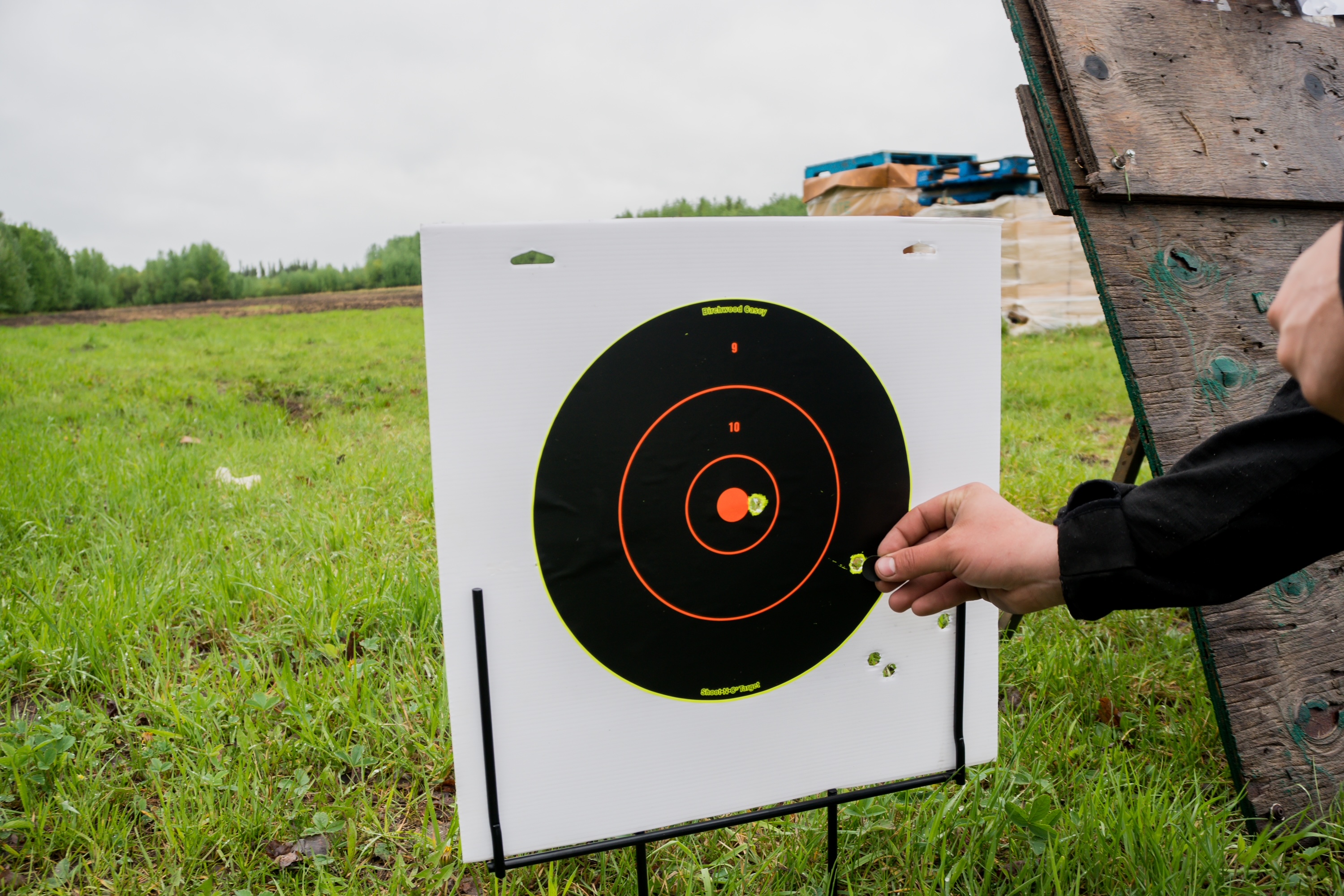
Different bullet weights, bullet styles, and manufacturers can change how a rifle performs. Some rifles group best with heavier bullets, while others prefer lighter loads. Even two brands using the same bullet weight may produce completely different results.
If your rifle is not grouping well, don’t automatically blame the gun. Try a few different factory loads before making major adjustments.
A rifle that shoots 180-grain bullets poorly might suddenly tighten up with 165-grain ammunition. Sometimes the solution is as simple as finding what your rifle likes best.
Pro Tip
When sighting in a hunting rifle, test at least two or three different loads before the season. Once you find the ammunition your rifle groups best with, stick with it throughout the season to maintain consistency.
2. Your Shooting Rest Setup Is Trash
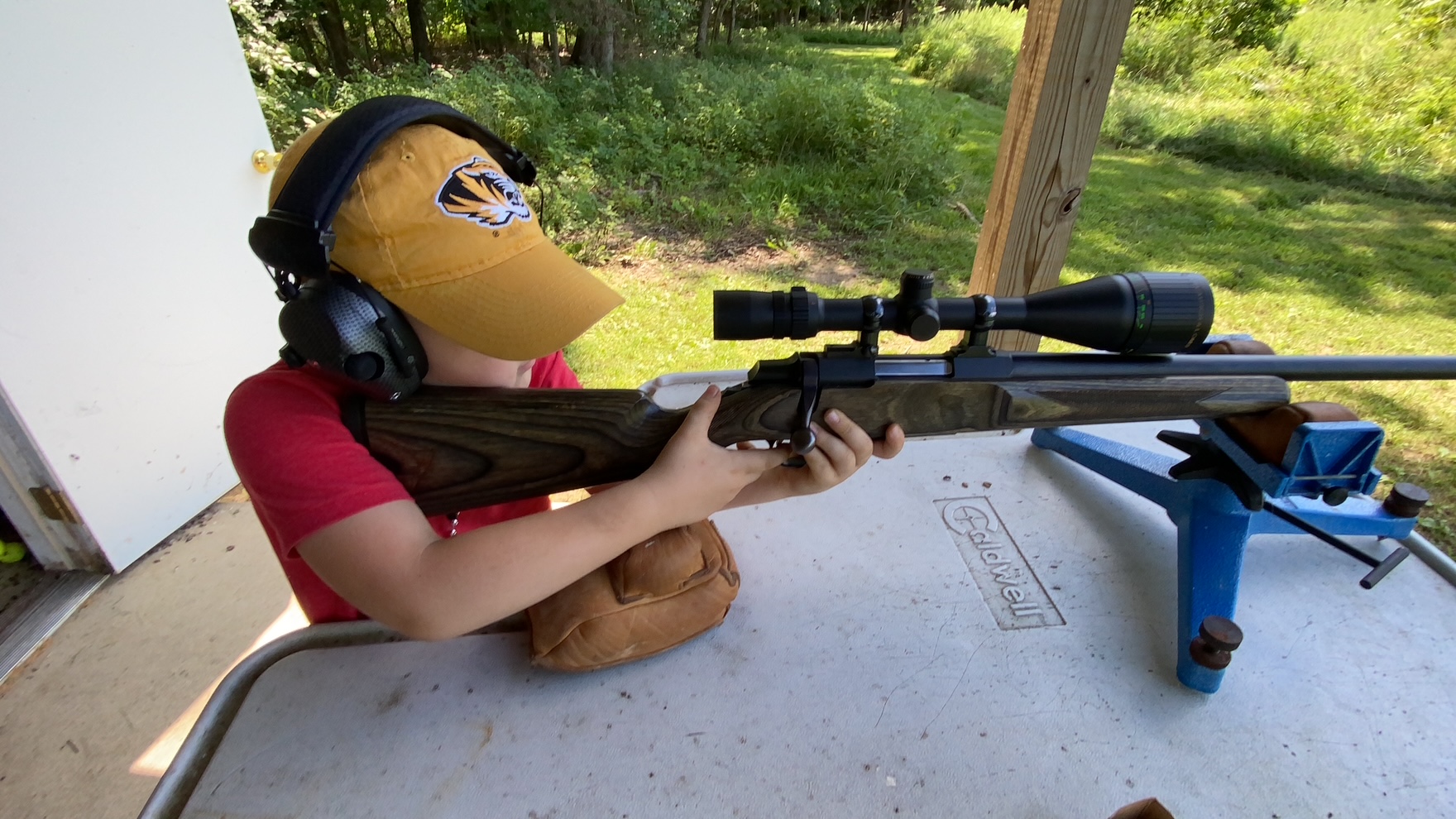
Throwing your rifle over the hood of a truck the night before deer season is not a sight-in strategy.
If the rifle is wobbling, shifting, or bouncing around under recoil, you’re never going to know what the rifle is truly capable of.
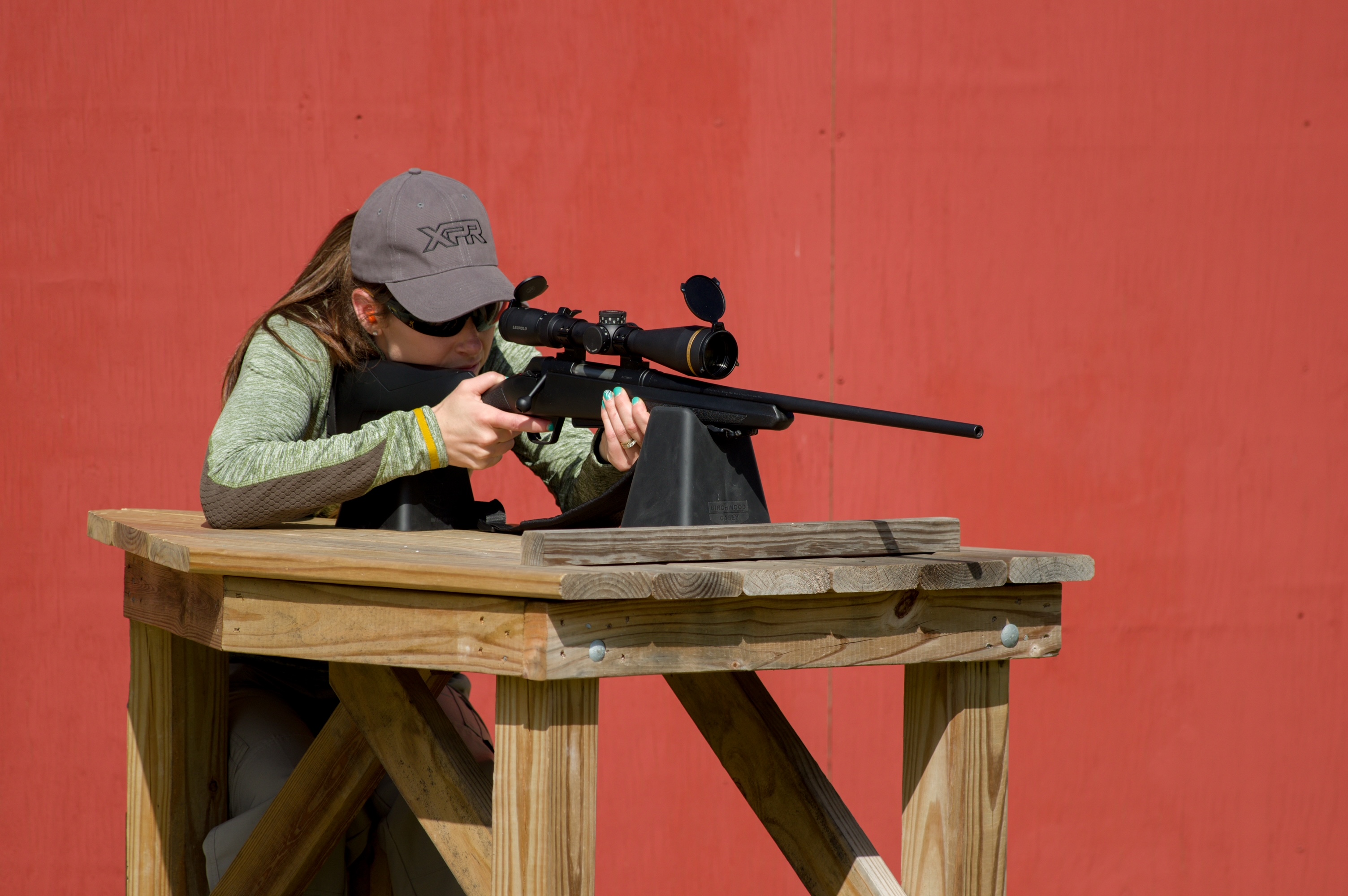
A solid shooting rest matters. Whether it’s sandbags, a lead sled, shooting bags, or a sturdy bench setup, the goal is consistency. The rifle should sit stable without you fighting it between shots.
Even body position matters. Sitting awkwardly, leaning too far forward, or trying to muscle the rifle into place can create inconsistencies from shot to shot.
A proper setup allows you to focus on breathing, trigger control, and follow-through instead of simply trying to hold the rifle steady.
Pro Tip
Sight in from the most stable platform possible and eliminate as much movement as you can. A steady rifle tells the truth. A shaky setup doesn’t.
3. You’re a Bad Shot
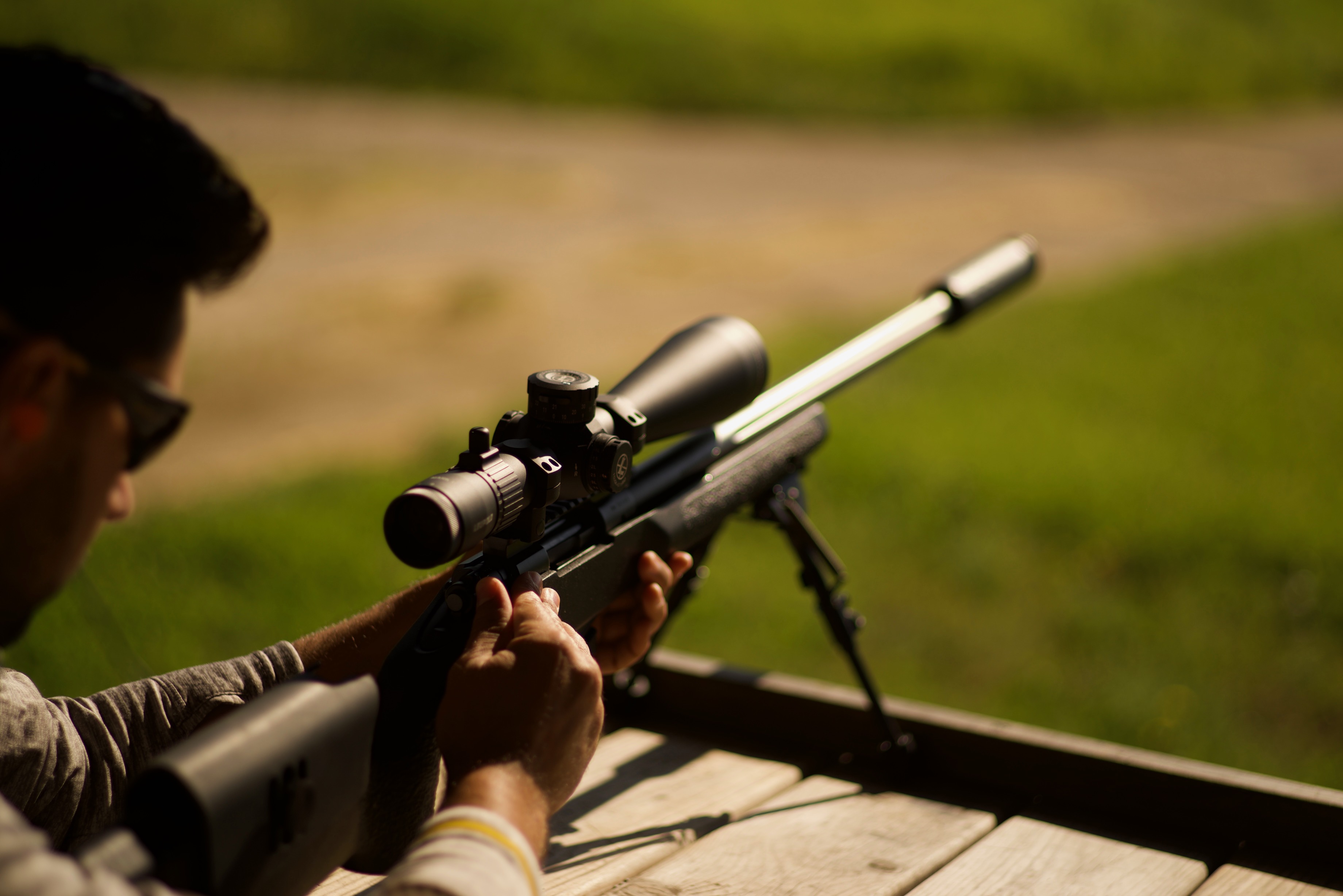
Sometimes the problem isn’t the rifle. It’s the shooter.
Jerking the trigger, rushing shots, poor breathing control, or anticipating recoil can all destroy accuracy while sighting in a rifle. Trigger control remains one of the biggest factors in consistent shooting performance.
A bad trigger pull often causes shots to drift low or off to one side, especially when shooting from a bench.
When sighting in:
- Squeeze the trigger slowly and consistently
- Focus on breathing control
It’s also important to avoid rushing. Hunters often burn through ammunition too quickly while sighting in, especially when frustrated. A hot barrel can change point of impact and create inconsistent groups.
Pro Tip
Shoot slow, deliberate groups from a stable shooting rest and allow the barrel to cool between shots for the most accurate results.
Small Mistakes Create Big Problems
Most rifle sight-in issues come down to small details.
The good news is those details are usually easy to fix once you identify them. Trying different ammunition, using a stable shooting setup, and focusing on solid shooting fundamentals can dramatically improve rifle accuracy and help you build confidence before hunting season arrives.
A properly sighted-in rifle is one of the most important tools a hunter has. Taking the time to get it right now can save you from frustration and missed opportunities when the moment of truth arrives in the field.