Wild hogs are often considered pests or a nuisance to landowners and ranch managers. They can cause significant damage to landscapes, crops, and pastures, primarily through rooting. Rooting is a natural behavior of feral pigs, where they use their powerful snouts to dig and turn over soil in search of food or to create wallows.
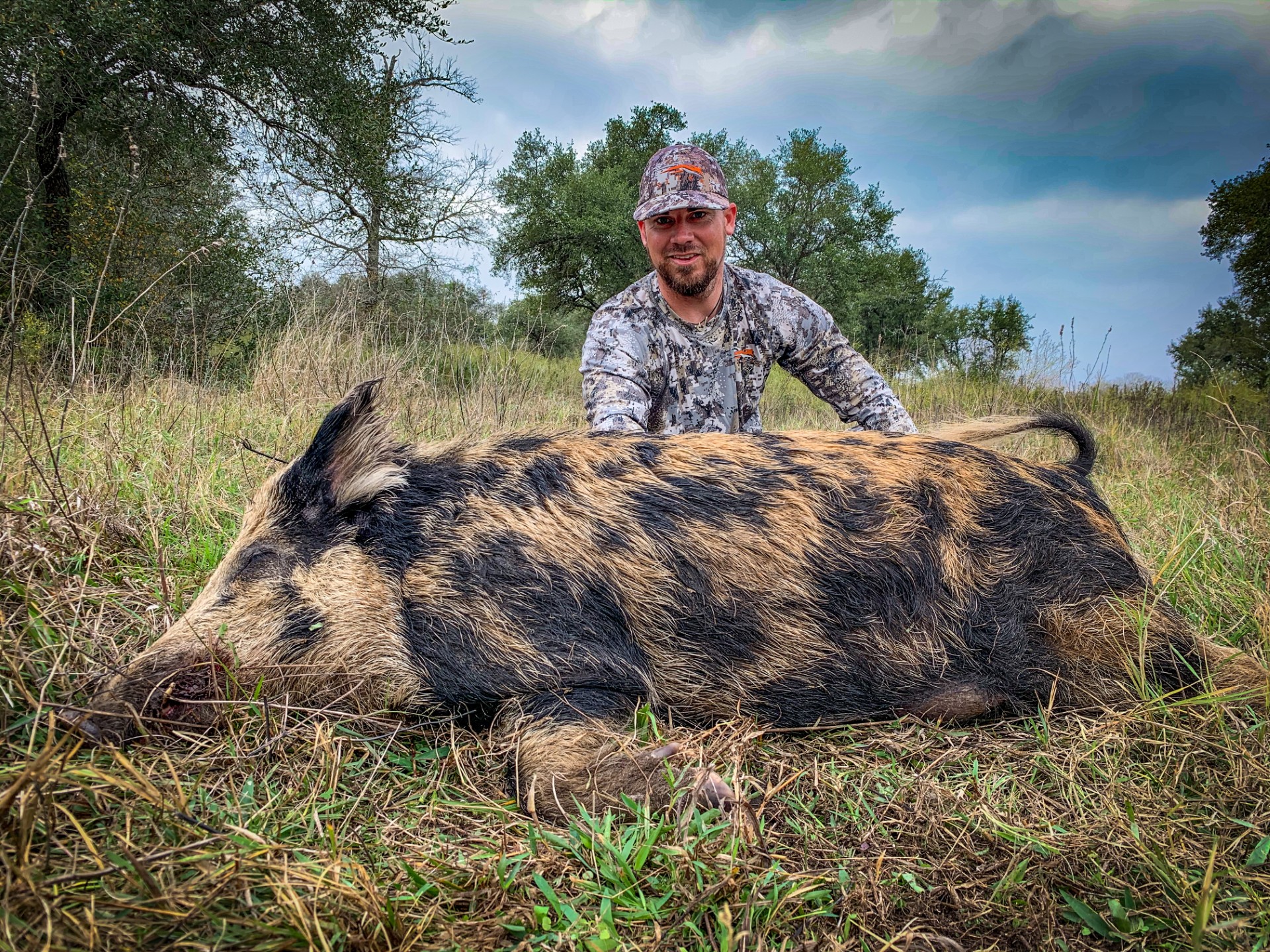
Despite their reputation, wild hogs provide hunters with a challenging offseason opportunity. Pursuing feral pigs allows hunters to stay sharp when other seasons are closed, and it can also provide excellent table fare that is often overlooked.
Using cellular trail cameras is one of the most effective ways to pattern wild hog movement and behavior. Once you understand how and when hogs are using a property, you can turn that intel into a successful hunt.
Start with Feeders and Food Sources
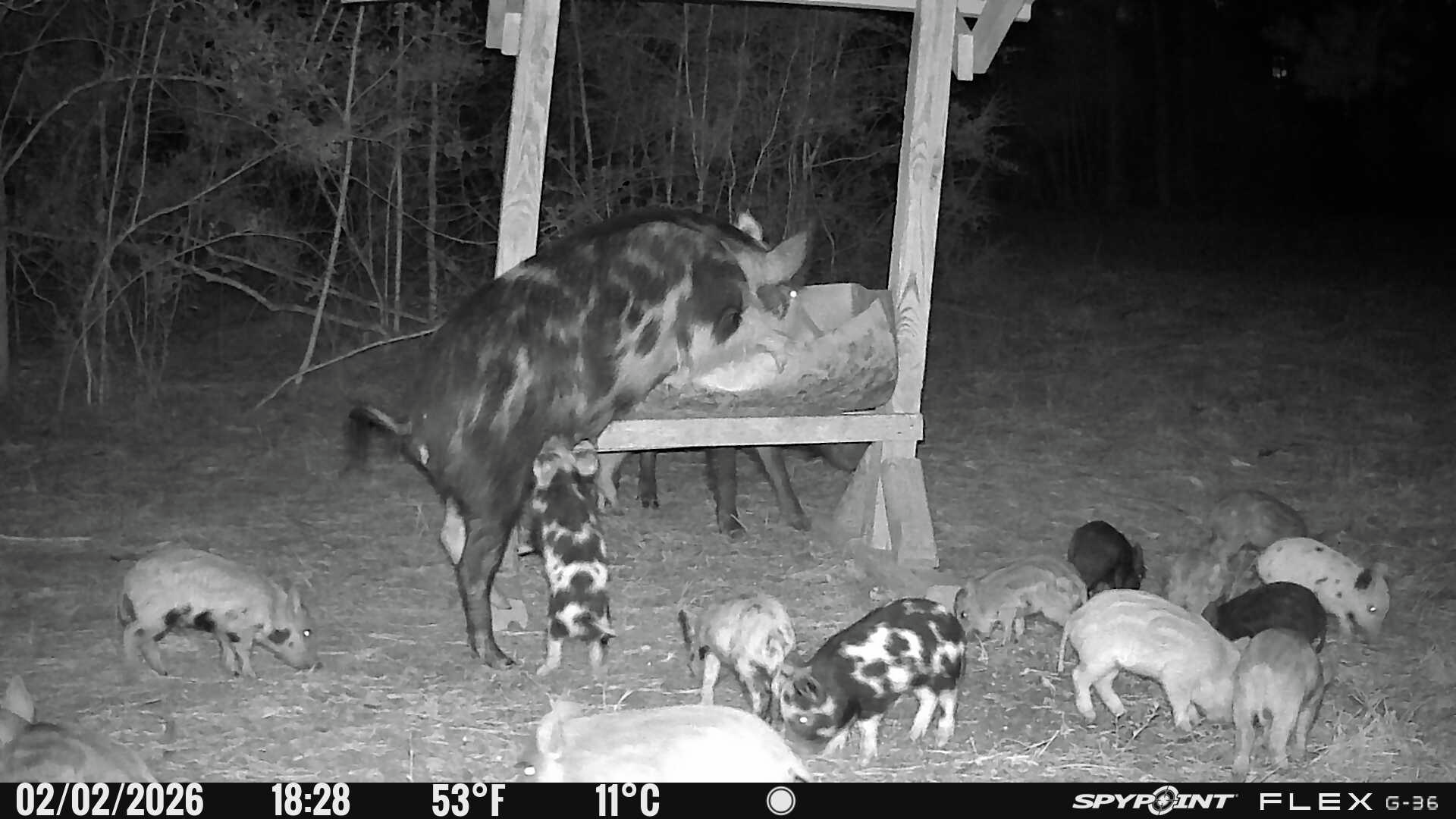
One of the simplest ways to hunt wild hogs using cellular cameras is to monitor feeders, bait sites, or natural food sources.
Set a camera overlooking the area and begin tracking when hogs are visiting. Over time, patterns will develop, showing consistent times of activity.
Once that pattern is established, hunters can plan to slip into a stand or blind ahead of when hogs typically arrive and be ready for a shot opportunity.
Target Wallows and Low-Lying Areas
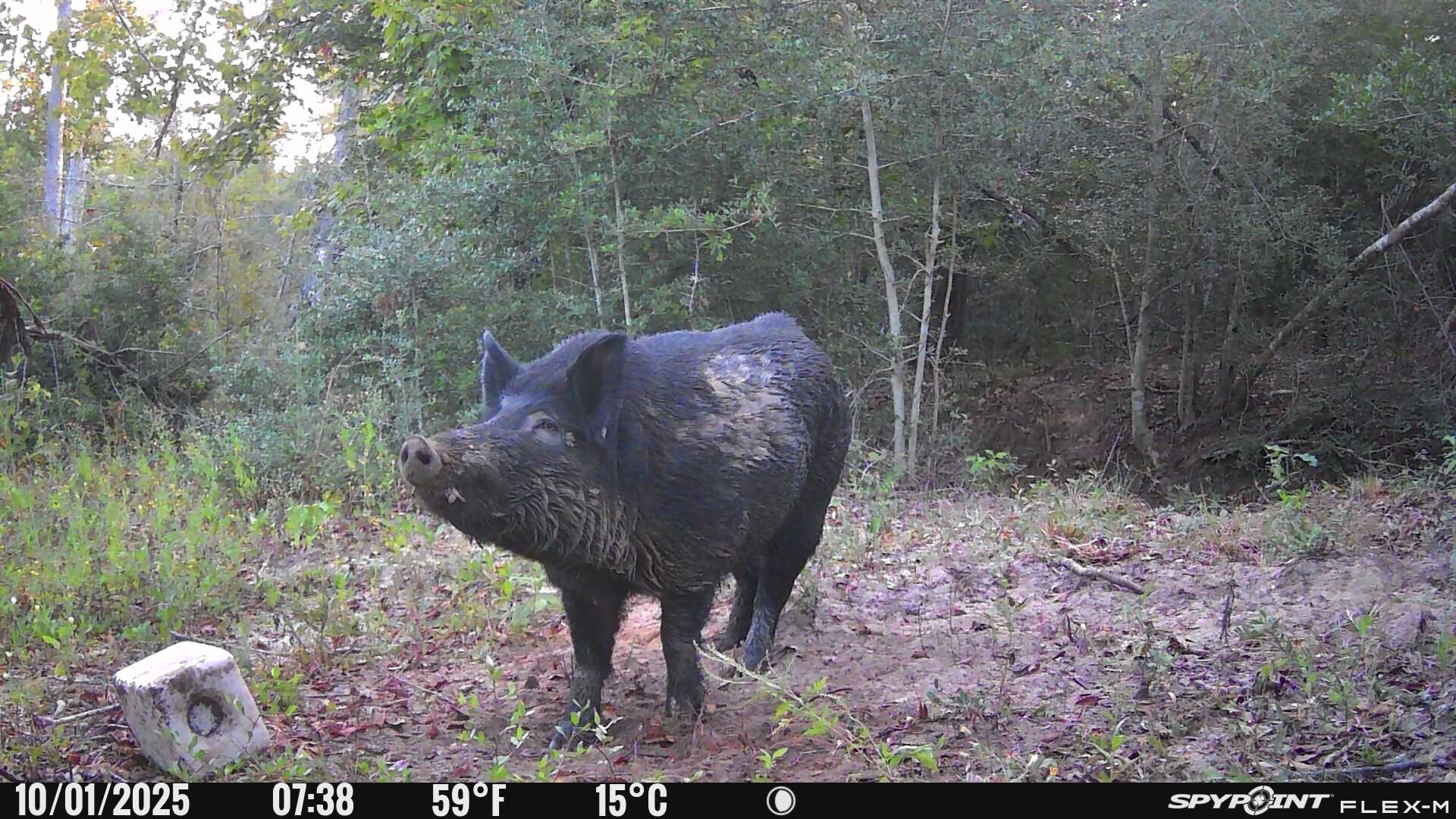
For a more active approach, consider spot-and-stalk hunting during the offseason and warmer months.
Feral pigs lack functional sweat glands, so they rely on mud and water to regulate body temperature. Low-lying areas where water collects and soft soil is present often become prime wallowing locations.
These areas can be excellent camera sites, especially when surrounded by thick cover. While open areas may see nighttime activity, hogs tend to favor covered locations during daylight hours.
Once cameras reveal when hogs are using these wallows, hunters can plan to move in on foot and intercept them.
Monitor Water Sources
In addition to wallows, water sources such as ponds, tanks, creeks, and rivers are consistent hotspots for hog activity.
Setting cellular cameras on these locations provides another opportunity to track movement and identify patterns, especially during warmer months when water is critical.
Hunt the Wind
When stalking hogs on foot, wind direction is critical.
Always try to keep the wind in your face as you approach an area. Hogs rely heavily on their sense of smell, and a poor wind can quickly end a hunt before it begins.
The conditions on any given day will help determine which locations offer the best opportunity based on how hogs are using the area.
Use BUCK TRACKER™ AI to Sort Hog Activity
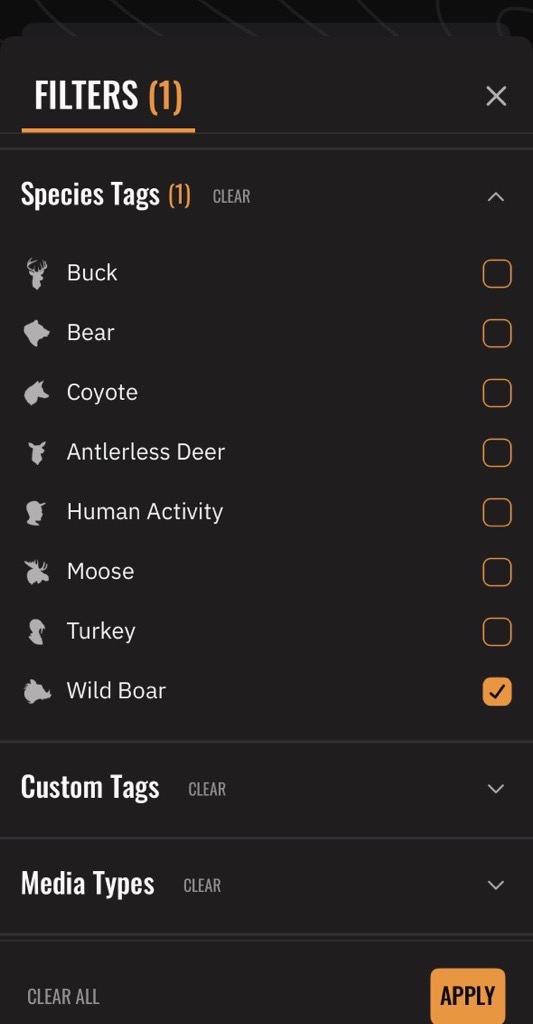
Cameras set on feeders, water sources, and wallows can generate a high volume of images.
The BUCK TRACKER™ AI Species Filter in the SPYPOINT app allows hunters to quickly sort through photos using the Wild Boar filter. This makes it easier to focus specifically on hog activity without scrolling through every image.
Faster sorting means faster decisions and a clearer understanding of hog patterns.
Time Your Hunt with Cellular Updates
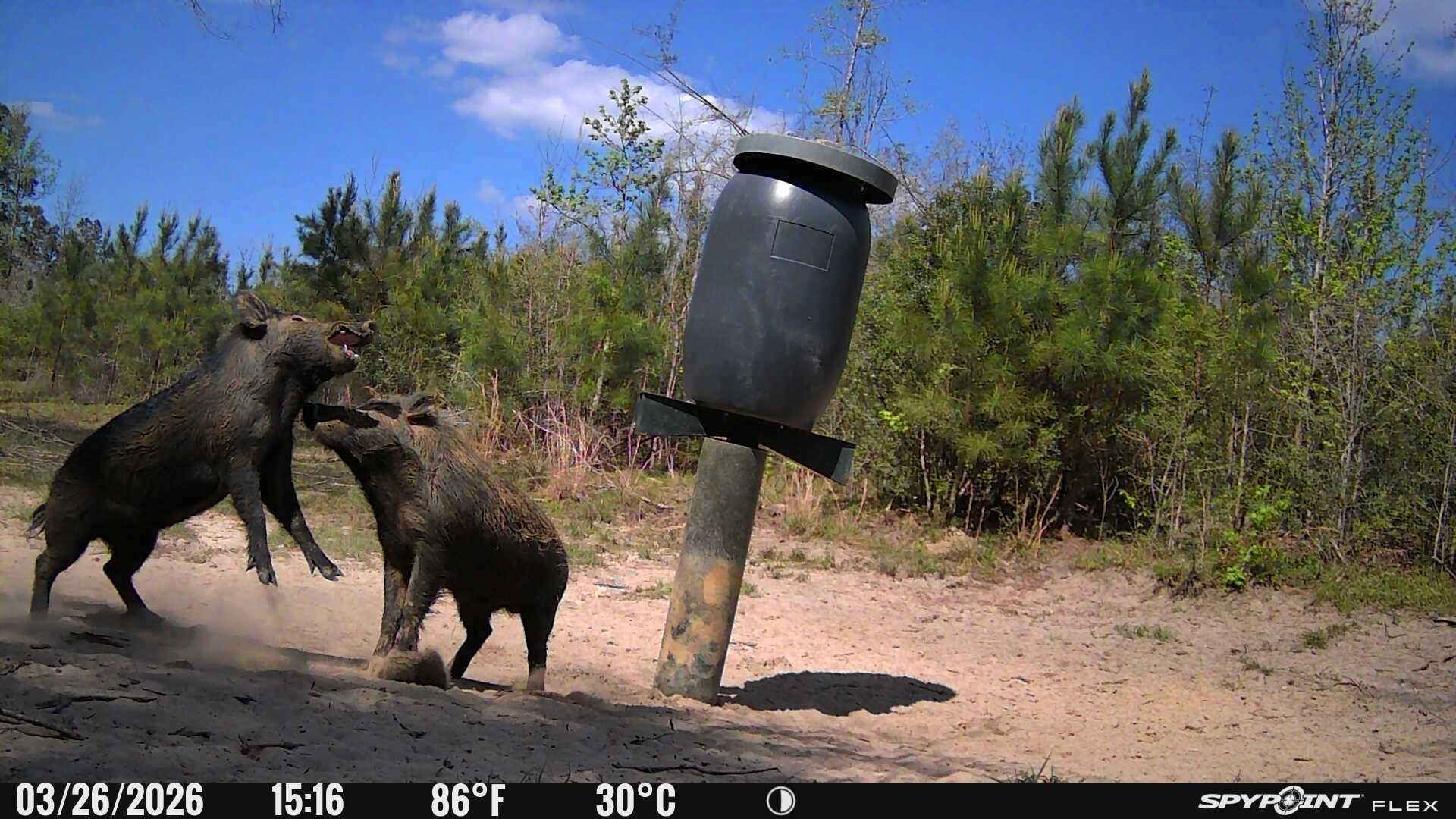
One of the biggest advantages of cellular trail cameras is the ability to act on recent information.
Hunters can set their sync frequency to “Each Detection” in the SPYPOINT app. When hogs trigger the camera, images are sent right away, allowing hunters to react quickly.
This opens the door for opportunistic hunts where you can move in as soon as hogs arrive, rather than relying only on historical patterns.
Turn Intel Into Opportunity
Using cellular trail cameras to hunt wild hogs during the offseason provides a fun and effective challenge.
Whether you’re hunting over bait, targeting wallows, or moving in on real-time activity, the key is understanding how hogs are using the property.
The more you learn from your cameras, the better your chances of success.
And in the meantime, it’s a great way to stay in the field until fall seasons roll back around.
By Nate Skinner