Staying mobile has always been a quiet key to consistent success in the field. Animals are not static. Their patterns shift with food availability, hunting pressure, weather, and breeding cycles. Some hunts, like elk season, are built entirely around covering ground, exploring new country, and adapting on the fly.
Hunters who are willing to move, adjust, and update their strategies day by day often end the season more successful than those waiting on a perfect moment that never quite arrives. Mobility once meant moving stands, relocating cameras, and scouting the old-fashioned way. Today, it also means using technology that supports how animals actually move, not how we hope they will.
Mobility in Action: Letting Intel Guide the Hunt
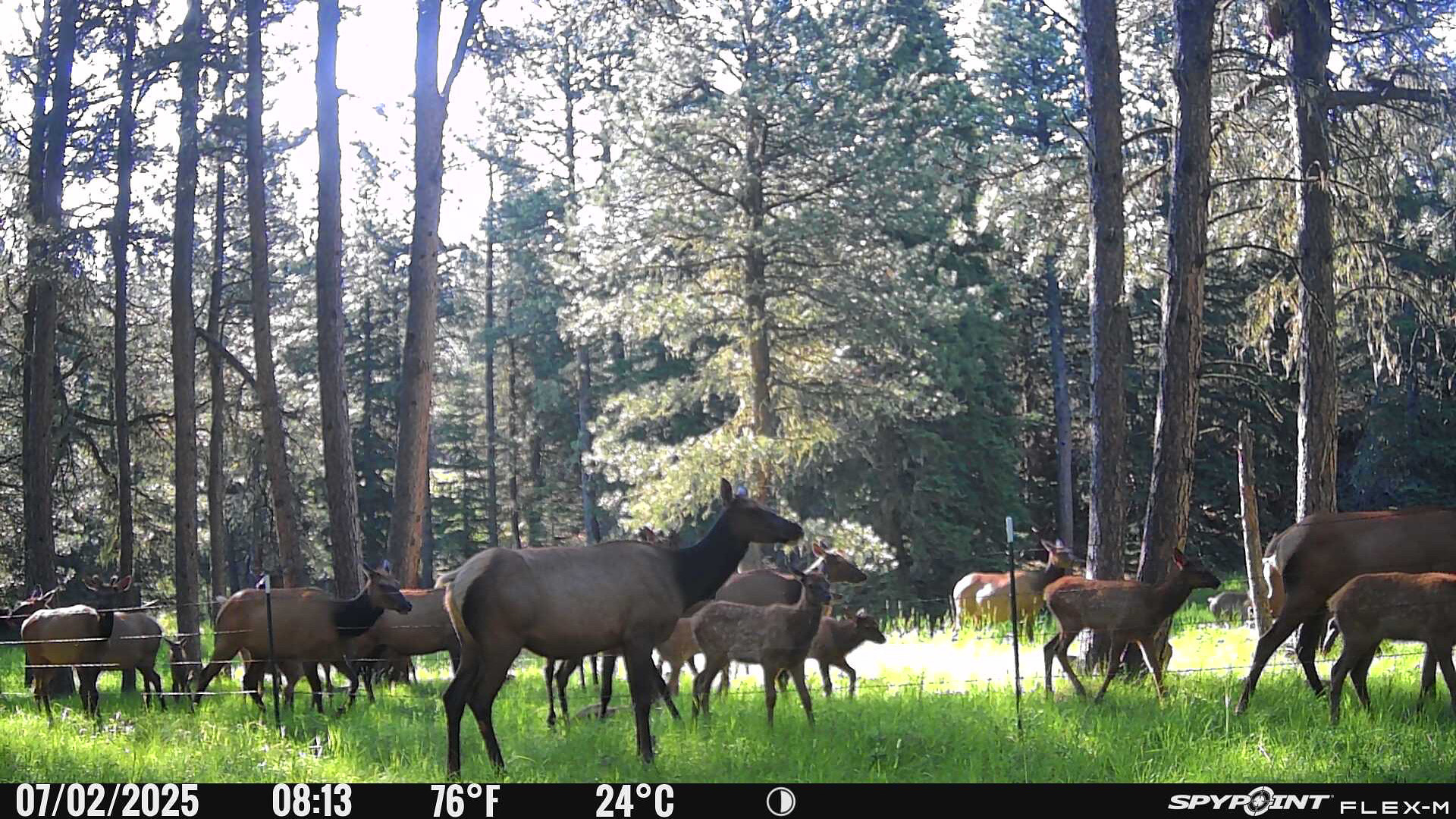
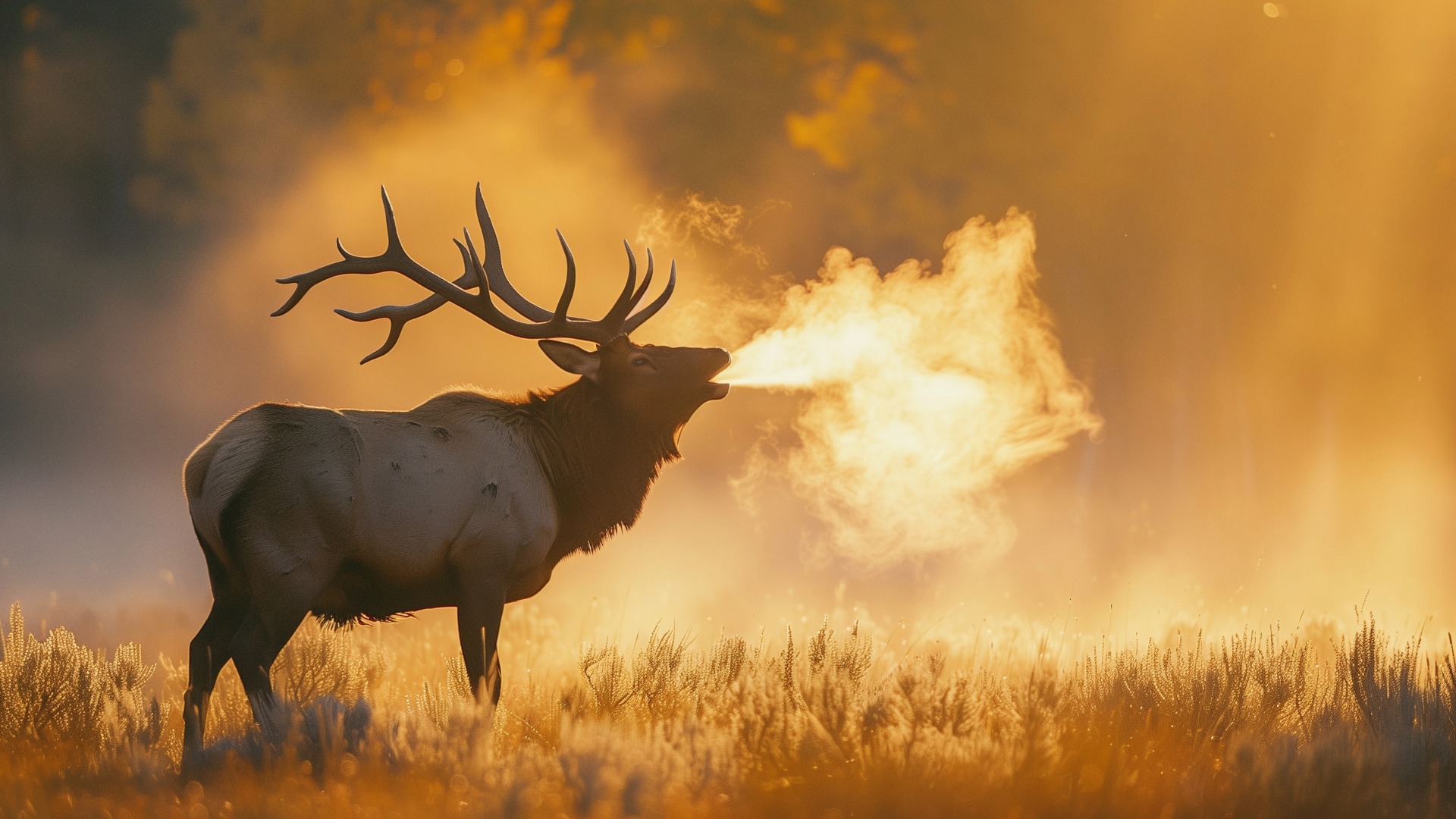
During an elk hunt this fall, we relied on bugling to locate bulls, then followed up on any response. It meant a lot of miles on our boots, but it gave us critical insight into where animals had been recently. Fresh tracks, active trails, scat, and a remote watering hole all pointed to an area worth exploring further.
We set up a couple of cellular trail cameras with coverage near that water source, and the results came quickly. After dark, photos started coming in, showing exactly where elk were drinking and traveling. That real-time information became the missing piece that put us in the right spot the following morning.
Why Cellular Cameras Support a Mobile Strategy
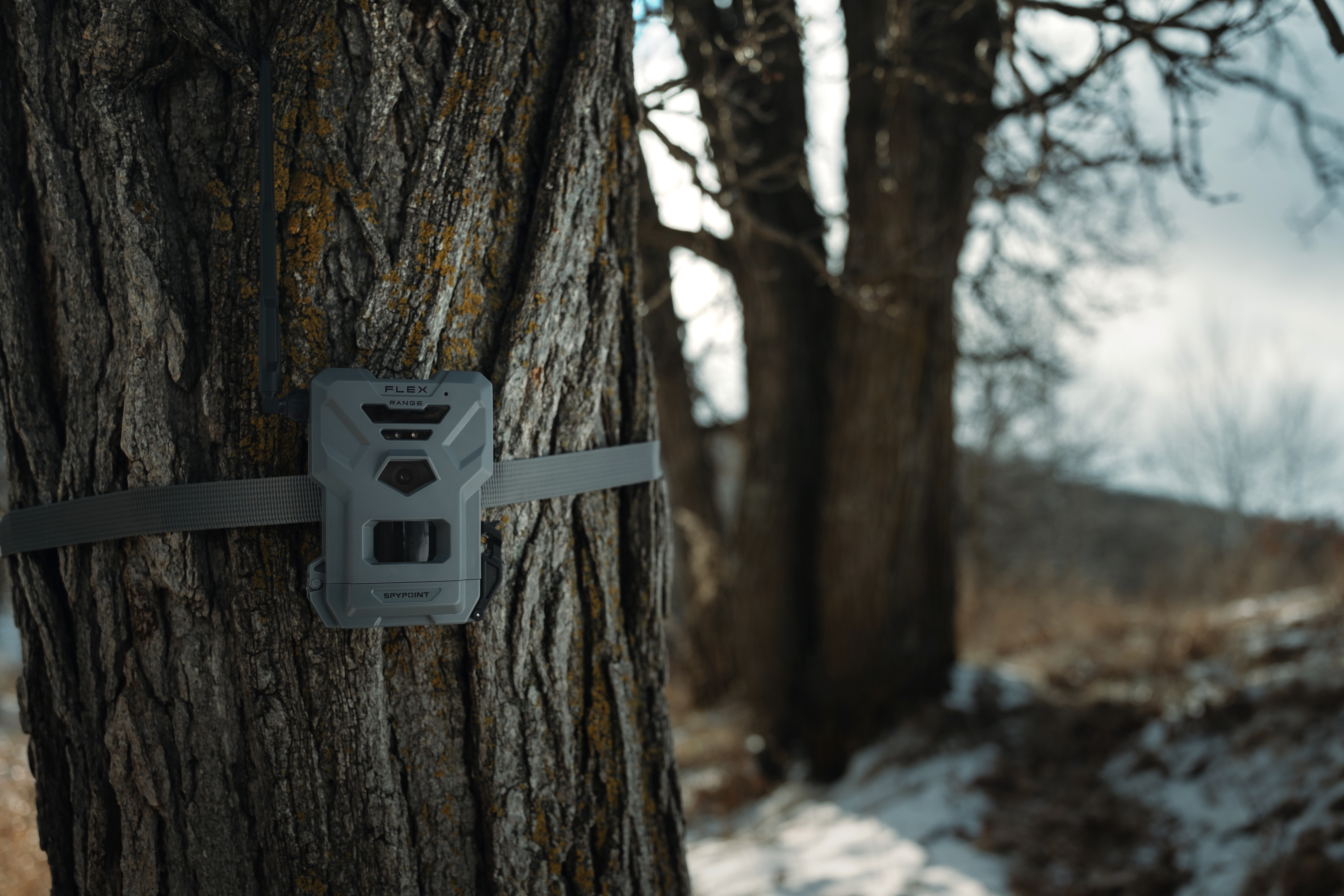
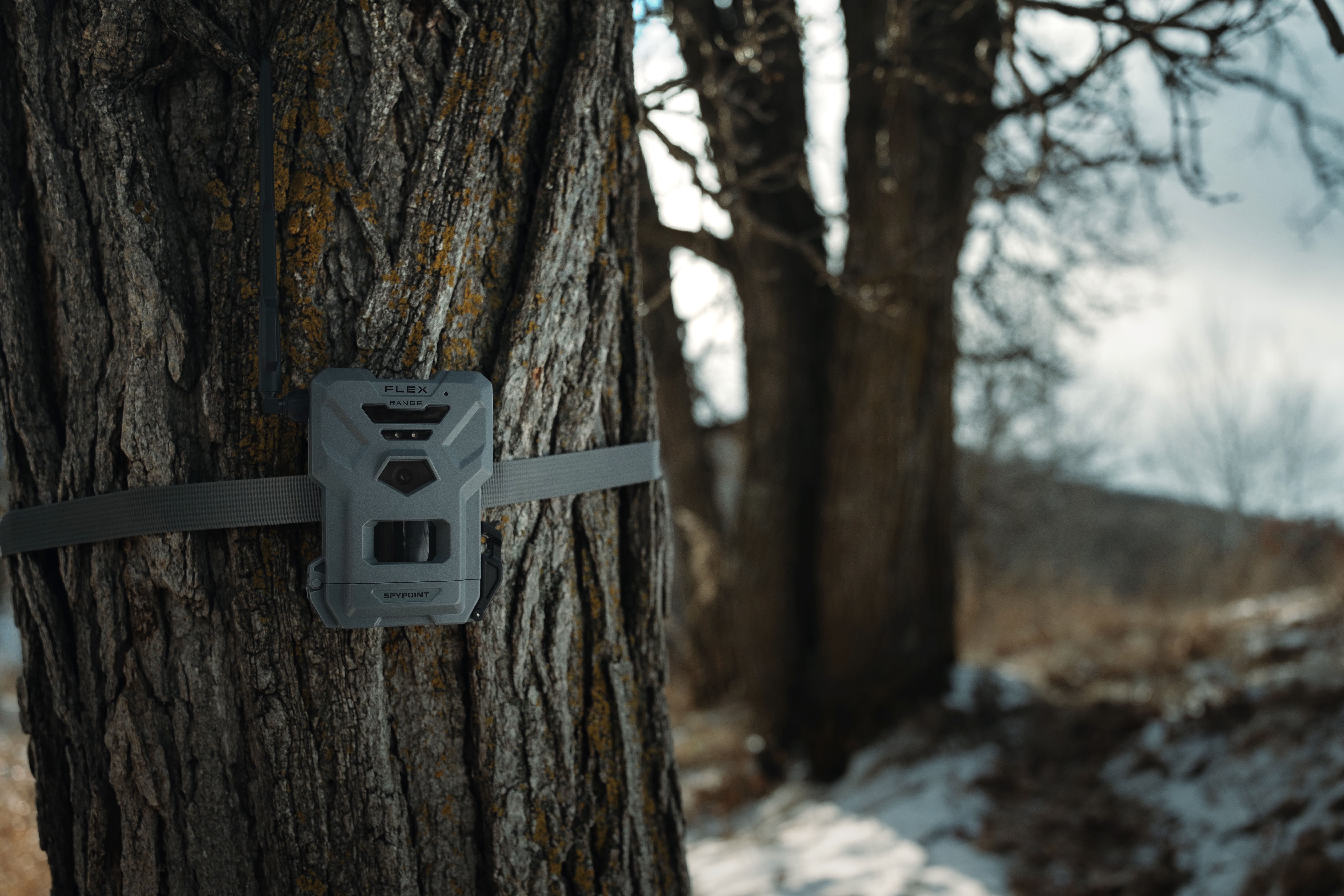
Modern cellular trail cameras allow hunters to stay mobile, informed, and flexible. Decisions are based on current activity rather than assumptions or outdated sign. One of the most overlooked advantages behind that flexibility is dual-SIM technology.
Dual-SIM cameras automatically select the strongest available cellular network. Instead of being tied to a single carrier that may struggle in certain terrain, the camera finds the best signal on its own. That means cameras can be moved, redeployed, and spread across different habitat types with confidence that they will stay connected.
Confidence Opens More Ground
Mobility starts with confidence. When you trust that a camera will communicate, you are more willing to hike deeper, explore overlooked ridges, or hang a camera in areas you might otherwise avoid due to connectivity concerns.
Dual-SIM technology removes the guesswork and turns more locations into viable scouting options. The more ground you can effectively monitor, the better your odds of identifying the pattern that leads to a mature buck, a herd of elk, or a black bear slipping through a berry slope before dark.
Real-Time Data Beats Guesswork
Tracks, rubs, scrapes, and trails all tell part of the story, but timing matters. Cellular cameras answer the “when” immediately. Instead of checking a card days later and learning animals passed through shortly after you left, with the right camera settings you can see activity within minutes.
That information allows hunters to plan stands, adjust access routes, select the right wind, and make confident decisions without burning time or opportunities.
Less Pressure, Smarter Movement
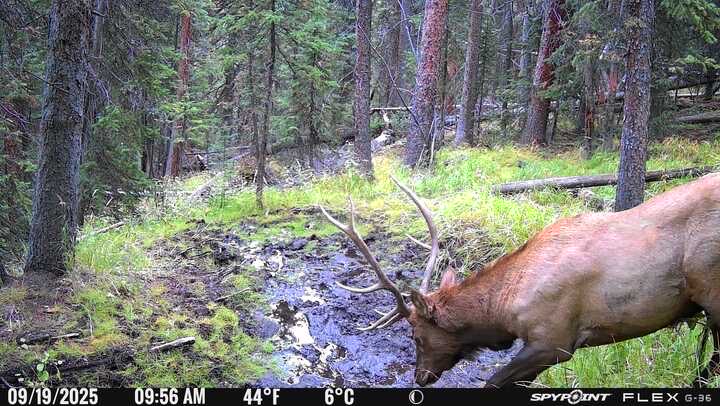
Staying mobile does not always mean moving more. Often, it means moving less — and more intelligently. Every trip into an area adds scent and pressure. Cellular cameras reduce unnecessary visits, helping keep animals relaxed and patterns intact.
This advantage is especially valuable during peak periods when one mistake can shift movement for days. Reliable cellular connectivity allows hunters to gather intel while minimizing disturbance.
Mobility Across Seasons and Species
Hunters targeting multiple species benefit even more from a mobile setup. Early-season cameras might track bachelor groups near food sources and water. As fall progresses and hunting pressure increases, deer patterns often shift toward thicker cover, new travel corridors, and more cautious movement. When the rut arrives, movement becomes less predictable, and cameras become even more valuable for confirming where daylight activity is happening right now.
Later in the season, patterns tighten again. Cold weather pushes animals back to dependable food, and winter travel routes become more consistent. The ability to move cameras quickly and confidently lets hunters adapt to each phase of the season instead of hoping animals return to old habits on their own timeline.
The same advantage applies across species. The tactics used to locate elk, find a black bear working a food source, or pattern whitetails in farm country may differ, but the need for fresh information stays the same. A mobile camera setup helps hunters follow real activity instead of guessing.
Mobility also supports year-round scouting. Winter and spring images reveal herd health, population numbers, and buck survival after the season. Over time, this builds a clearer understanding of the ground being hunted, so when fall returns, it is easier to make decisions quickly and start the season with confidence.
By Brad Fenson