A sharp knife is one of the most valuable tools in the outdoors, whether you're cleaning game, cutting rope, or slicing through tough hide. My fascination with knives started early. I saved pennies for weeks to buy my first Buck folding knife — a knife I still own today. Now I’ve got more than 100 blades; all sharpened, polished, and ready for field duty.
If you struggle to get or keep an edge on your knives, don’t worry. This guide breaks down easy sharpening techniques, the best tools to use, and simple ways to overcome the learning curve.
Why Sharpness Matters
A dull knife is more dangerous than a sharp one. Dull blades require more force, slip more easily, and make tasks slower and riskier. A sharp edge is efficient, safe, and predictable. It delivers cleaner cuts, reduces hand fatigue, and extends the life of your tools.
Whether you’re quartering a deer, prepping camp meals, or doing everyday chores around home, starting with a sharp knife makes every job easier.
Knife Anatomy and Sharpening Angles
Understanding basic knife anatomy helps improve your sharpening results:
-
Edge: The cutting surface
-
Spine: The thick, non-cutting top
-
Bevel: The angled surface forming the edge
-
Secondary bevel: A smaller micro-angle at the very edge
Most Western knives are sharpened at 20 degrees per side, while many Japanese blades use a 15-degree angle for extra sharpness.
A lower angle = sharper but more delicate.
A higher angle = stronger but less razor-like.
No matter what you use, consistency is the most important part. A steady angle produces a clean, durable edge that cuts smoothly.
Getting Started: Knife Sharpening Methods for Every Skill Level
There’s no single “right” way to sharpen a knife. The best method depends on your comfort level and how much time you want to invest.
1. Honing Rod
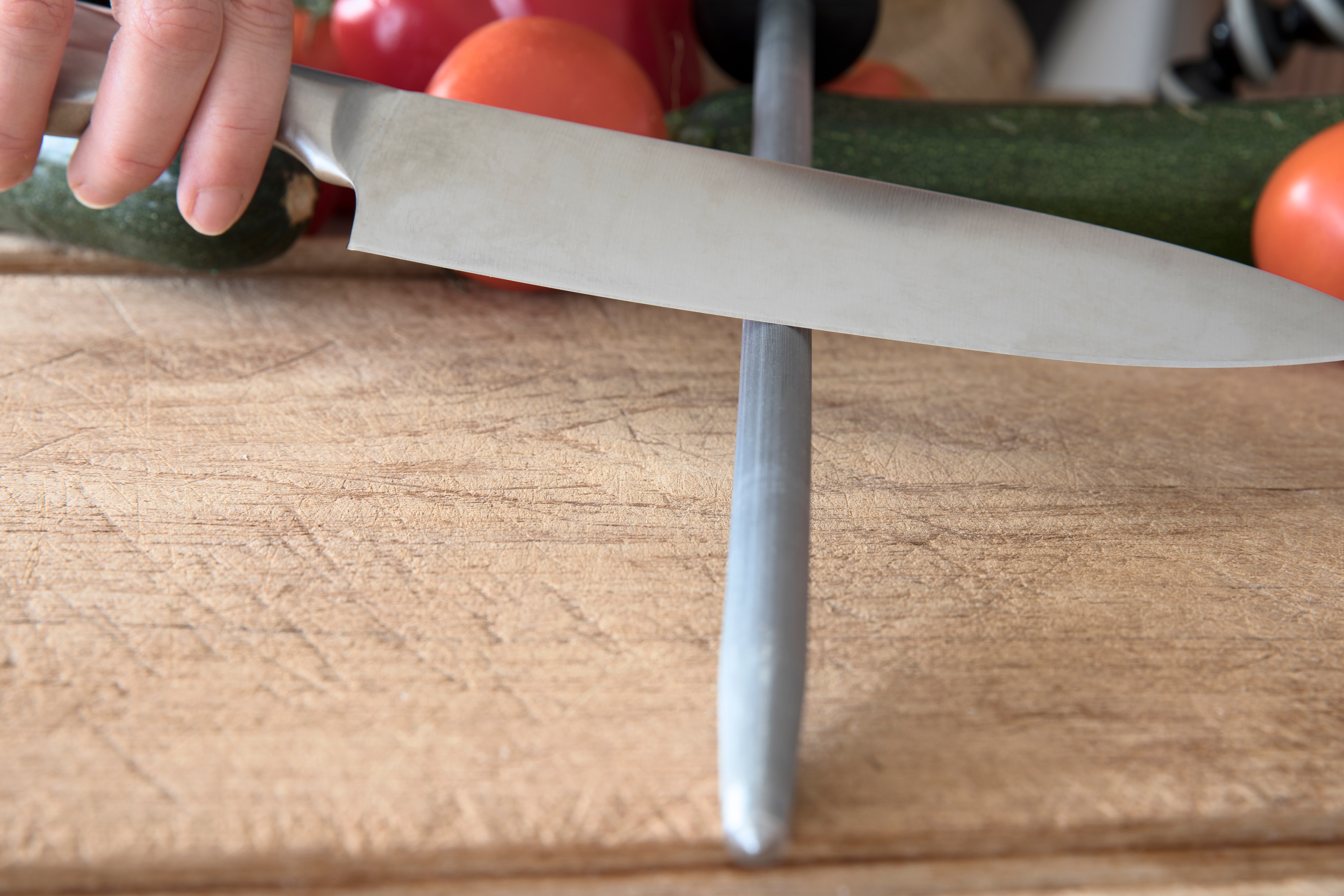
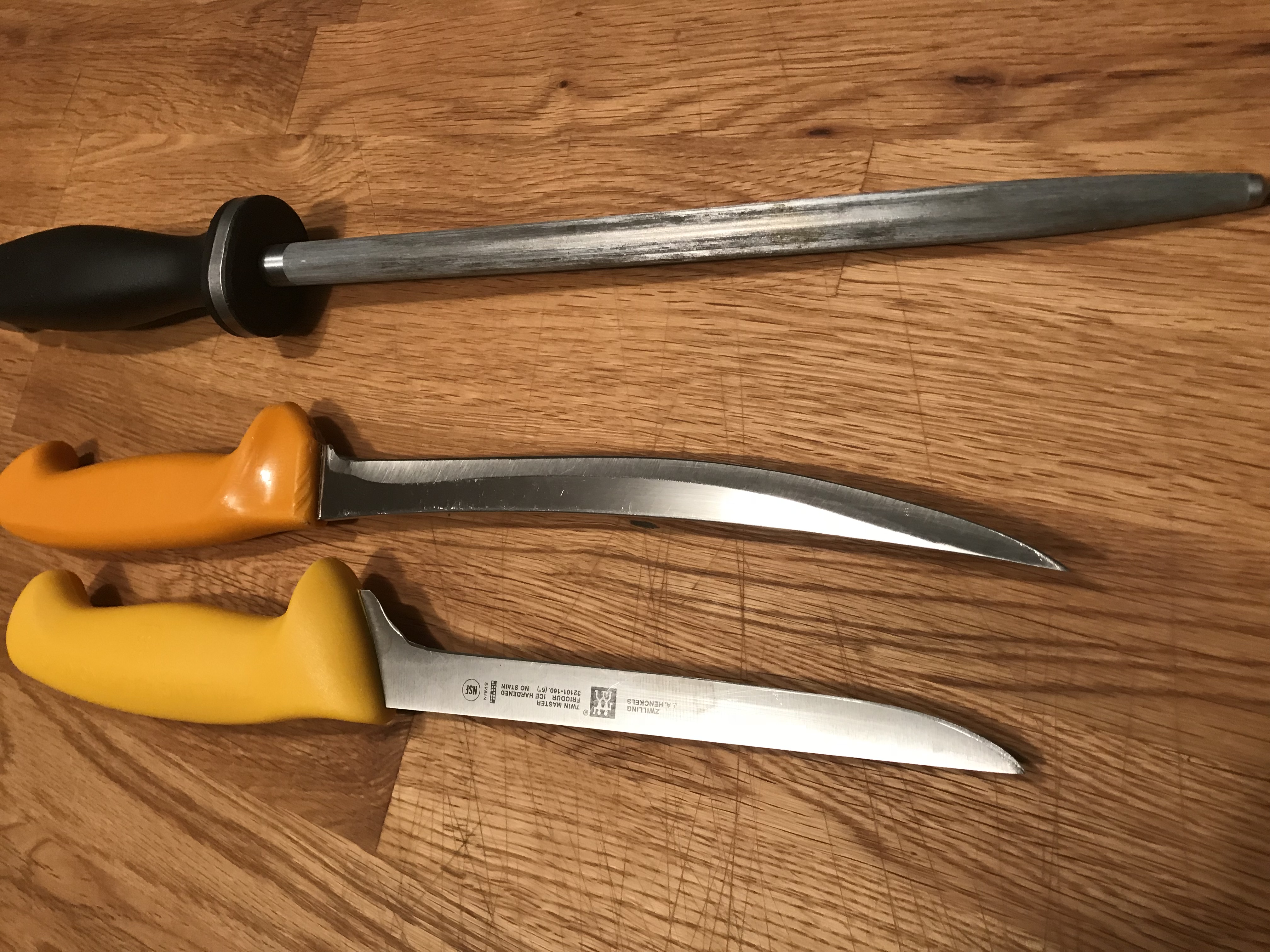
A honing rod doesn’t actually sharpen — it realigns a slightly bent edge. It removes almost no metal, so you can use it often.
How to use it:
Hold the blade at a 20-degree angle and make slow, even strokes on each side. Hone before or after each use (or at least weekly).
2. Whetstones and Waterstones
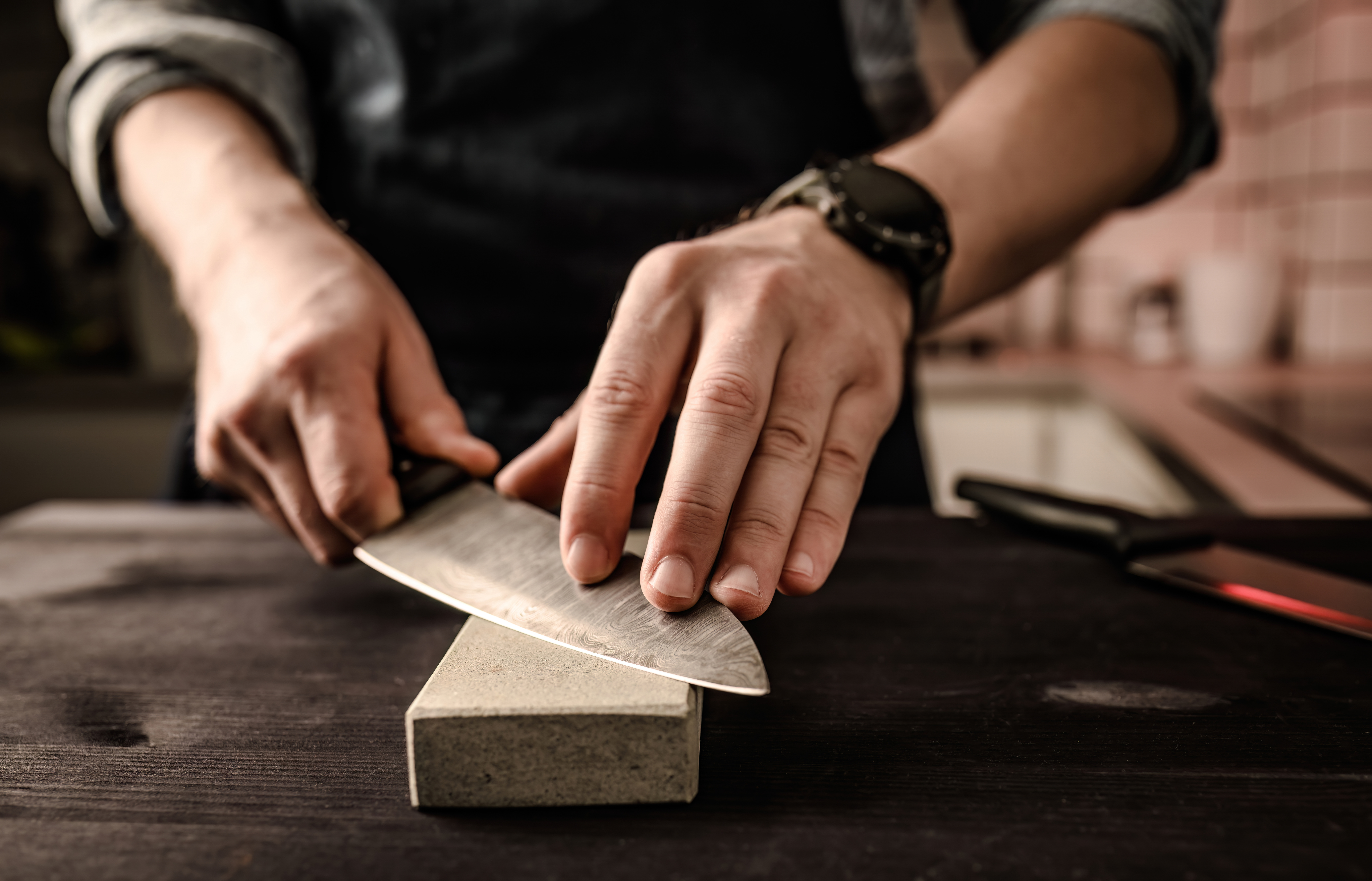
If you want the sharpest possible edge, a whetstone is the gold standard.
Grit levels:
-
Coarse (200–600): Repair damaged edges
-
Medium (800–2000): Sharpen
-
Fine (3000–8000): Polish
Soak waterstones, then sharpen with smooth, controlled strokes. Work through each grit until the edge is clean.
Best for: Hunters and outdoorsmen who want the highest quality edge and don’t mind practicing the technique.
3. Guided Sharpening Systems
These systems hold the blade at a fixed angle using clamps or rods. They are ideal for beginners or anyone who struggles to maintain angle consistency.
Best for:
-
New sharpeners
-
People who want repeatable results
-
Sharpening quality knives without the risk of error
4. Pull-Through and Electric Sharpeners
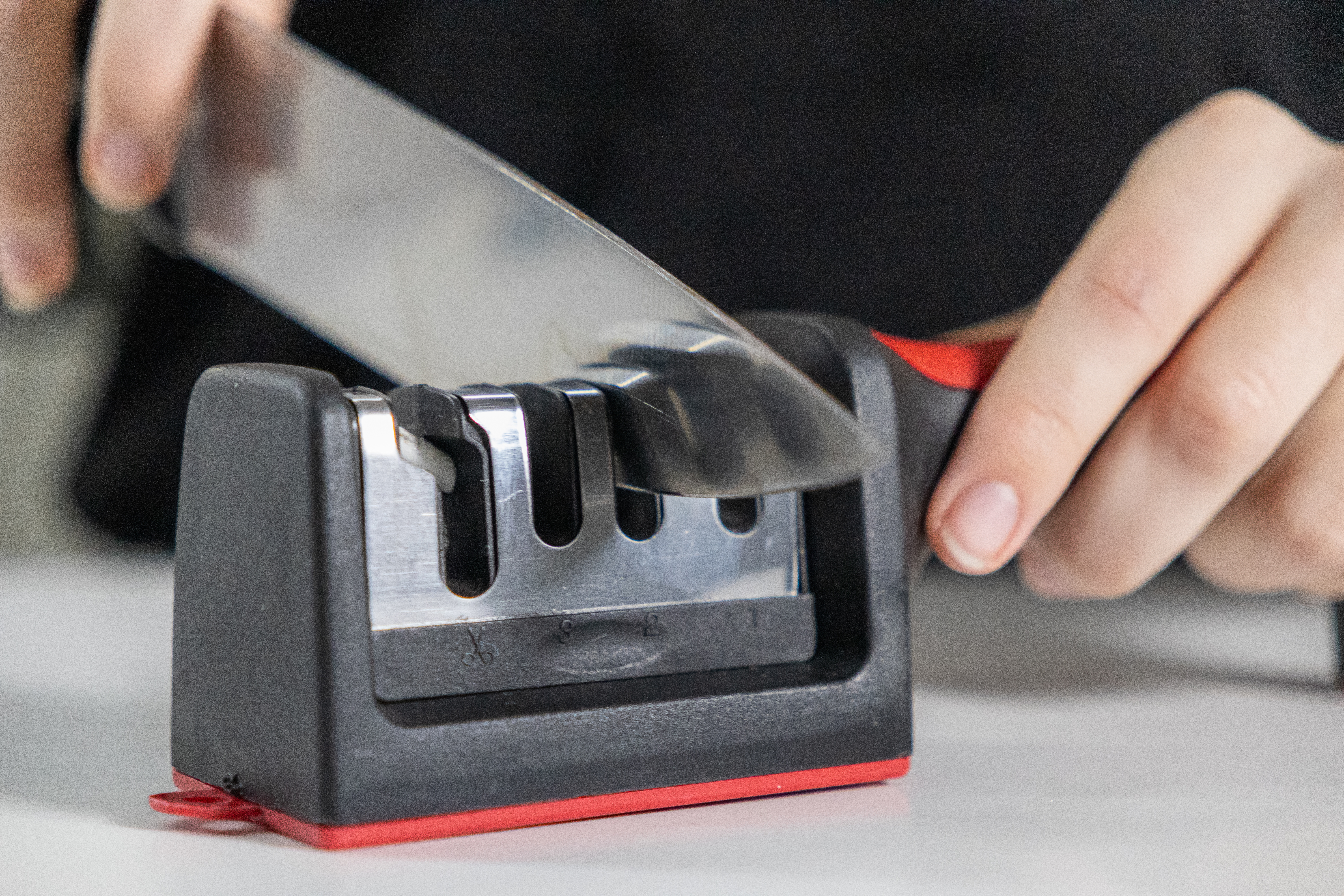
These tools are the fastest way to sharpen a dull knife.
-
Pull-throughs: Quick and cheap but can remove more material than needed
-
Electric sharpeners: Fast and effective for very dull blades, though somewhat aggressive
Best for: Convenience and routine maintenance.
5. Stropping
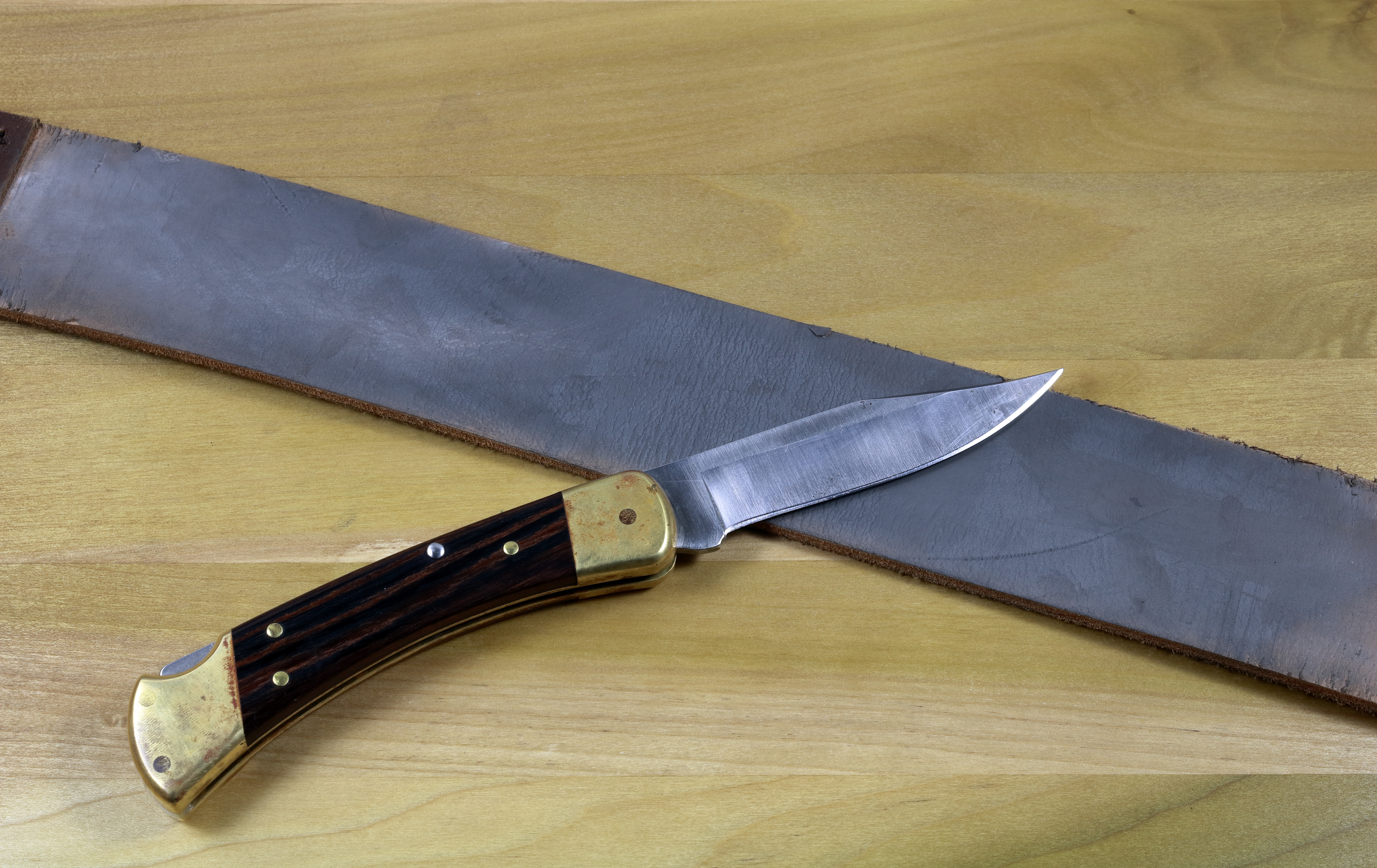
Stropping removes microscopic burrs and produces a razor-sharp finish. Use a leather strop with polishing compound and make light, backward strokes.
Best for: Final polishing and keeping a knife hair-shaving sharp. Polissage final et entretien d'un couteau pour qu'il reste tranchant comme un rasoir.
If Sharpening Is Hard for You
Some people struggle with angles or maintaining consistency — and that’s okay. Here’s how to make sharpening easier:
-
Use guided systems or pull-through sharpeners to eliminate guesswork
-
Practice on inexpensive knives before moving to higher-end blades
-
Use an angle guide to help train your hand
-
Think small strokes, consistent pressure, and slow speed
Knife sharpening is muscle memory. Anyone can learn it.
Final Thoughts

Sharpening a knife isn’t complicated — it’s a skill built through repetition and the right tools. As you learn how the blade feels on the stone or strop, you’ll start noticing small improvements that add up quickly.
A sharp knife is more than a tool. It’s safer, more efficient, and a reflection of the care you put into your gear. Once you establish a routine, keeping every knife razor-sharp becomes second nature.
Article by Brad Fenson