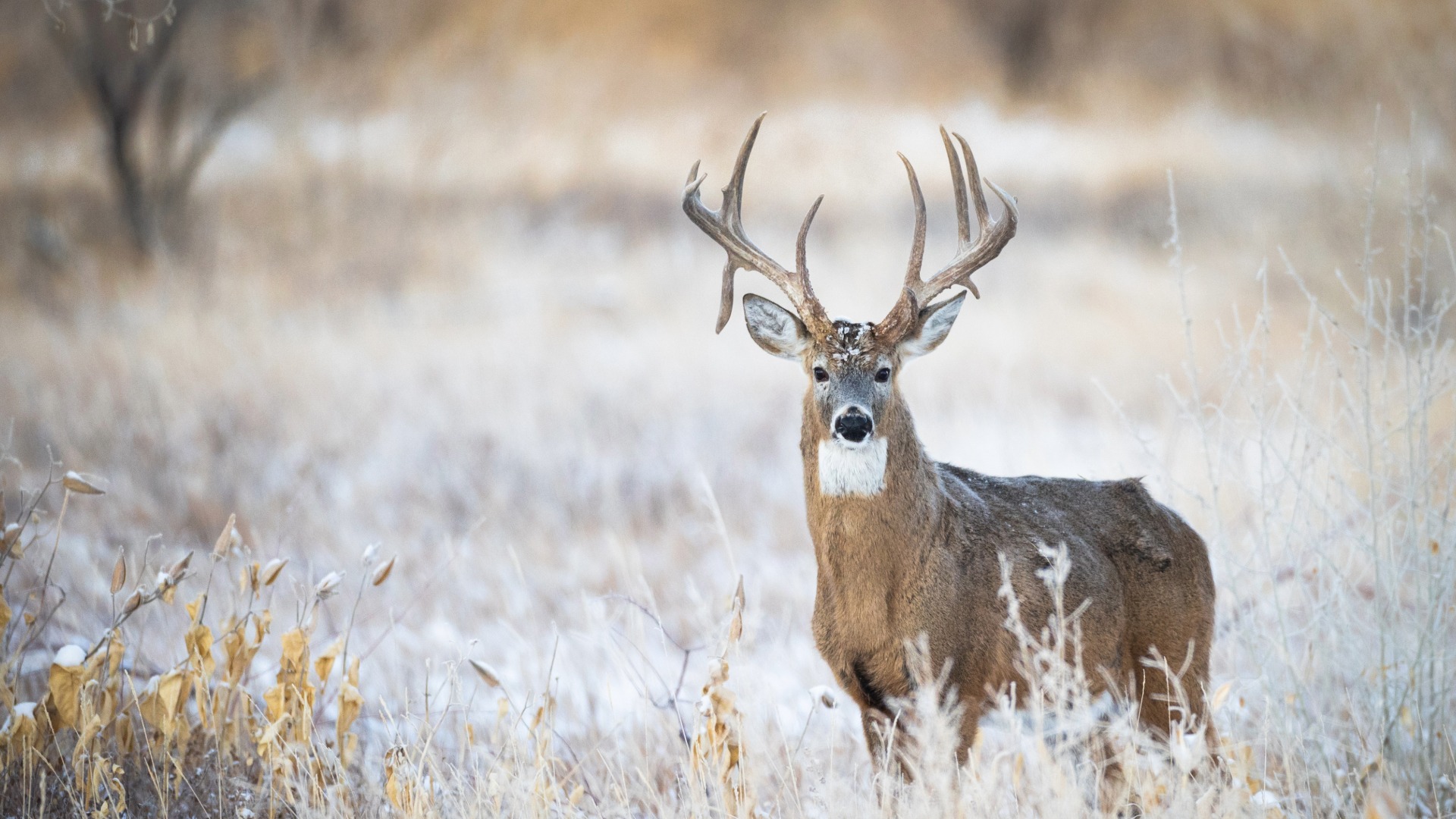
The term “target buck” is used often by serious deer hunters. It refers to a specific buck a hunter dedicates their efforts to pursuing during hunting season. Successfully targeting and harvesting a specific buck involves a detailed process that begins long before opening day arrives.
Using cellular trail cameras can make this process more efficient and give hunters an edge in what can quickly become a grueling game of cat and mouse. There is nothing more rewarding than finally putting your hands on a set of antlers that have occupied your thoughts for weeks or even months. Cellular trail cameras help turn that goal into a realistic plan.
Why Cellular Trail Cameras Matter
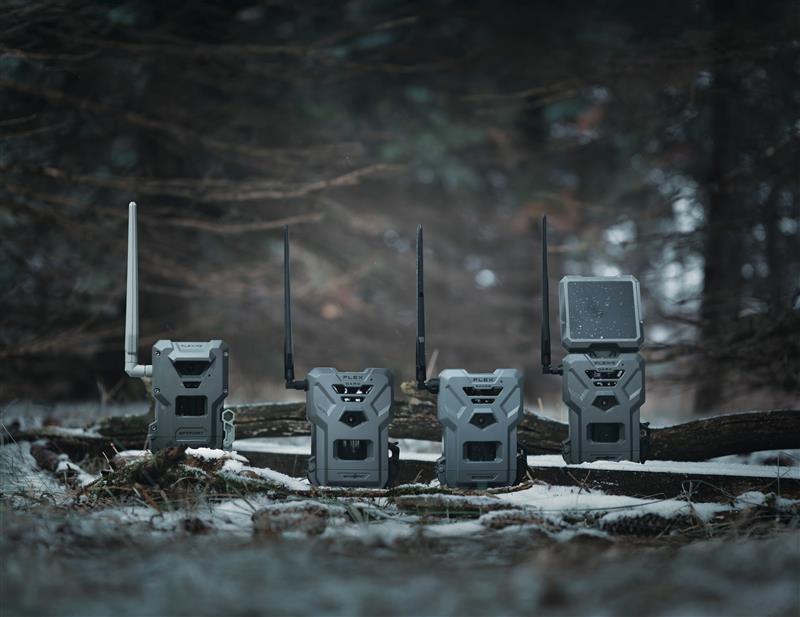
One of the biggest advantages cellular trail cameras provide is remote access to information. Hunters can see what is happening in the deer woods without having to disturb an area to pull a camera card and leave scent behind.
Reducing unnecessary visits lowers the odds of bumping a mature buck out of an area while gathering the information needed to pursue him later in the season. This is especially important when targeting older bucks that are sensitive to pressure.
Use Camera Placement to Learn a Buck’s Patterns
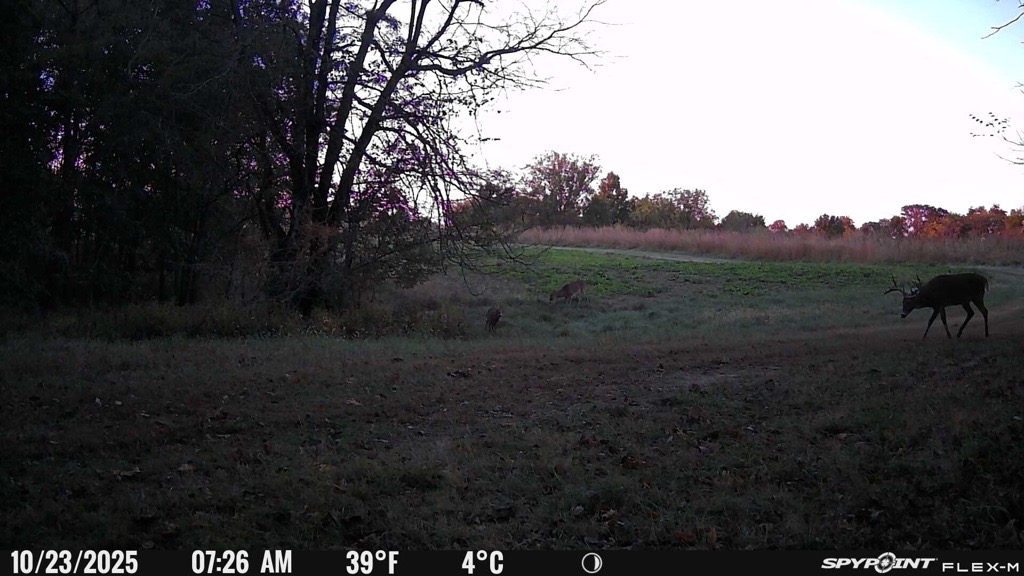
The strategic placement of multiple cellular trail cameras helps reveal a specific buck’s patterns and movements. The goal is to determine where the buck beds, where he prefers to feed and drink, and the routes he uses to travel between those locations.
Gathering this level of detail often takes more than one season. Reviewing multi-year photos and videos can reveal where a buck prefers to spend time during certain periods of the year. Many hunters refer to this as the seven-day rule, the idea that a buck may return to the same general area during the same week each year.
Key Areas to Focus On
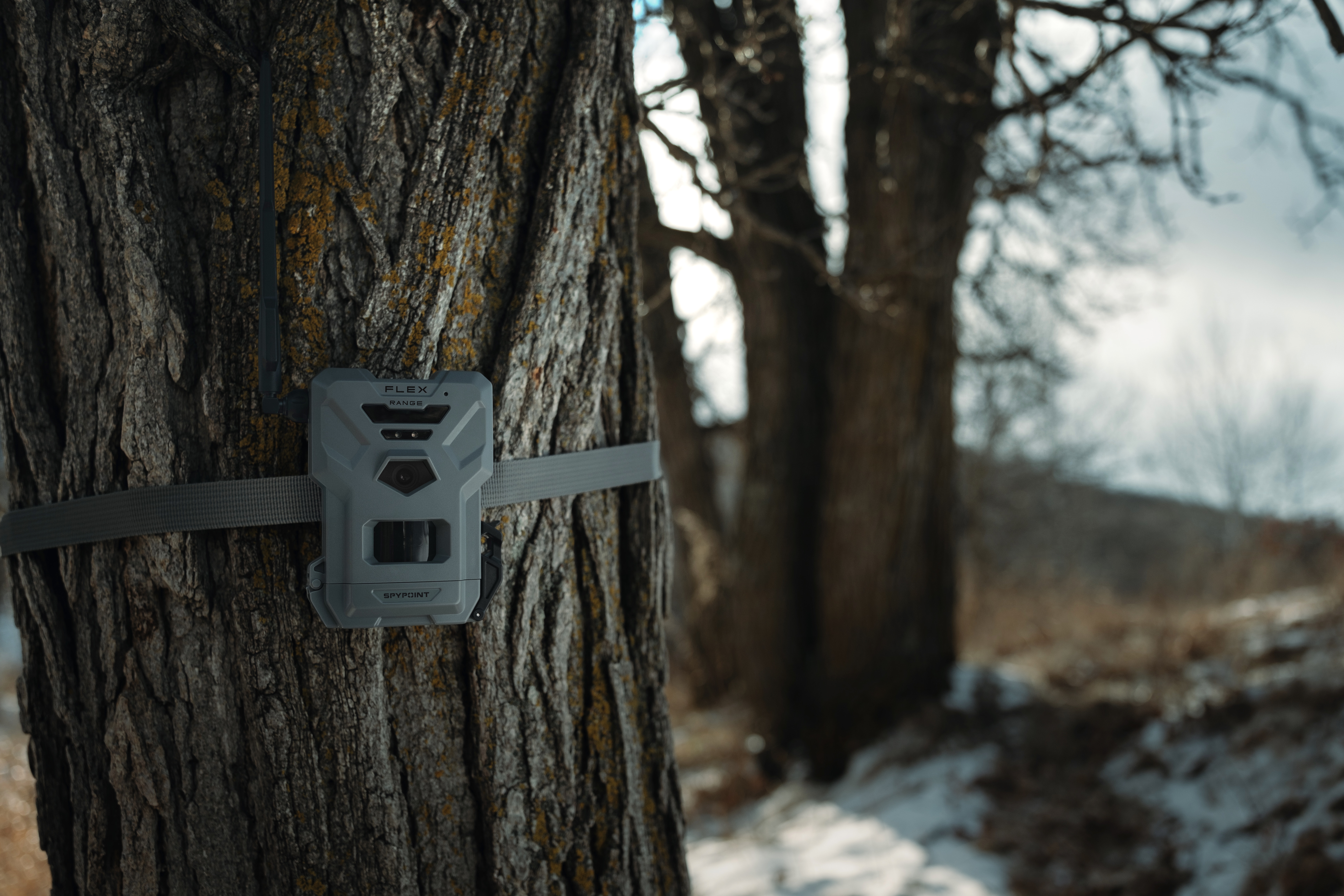
Setting cellular trail cameras in funnels and pinch points, field edges, and water sources can help define a buck’s core area and travel routes.
Funnels and pinch points, such as narrow wooded corridors connecting thick bedding cover to food sources, are a good place to start. Field corners where different crops meet are another effective option. Water sources such as ponds, tanks, water troughs, flooded low areas, and river crossings can also produce consistent movement and valuable intel.
Use Video and Time-Lapse to Fill in the Gaps
Once cameras are in place, the next step is analyzing the information they capture and putting the pieces together. Video and time-lapse modes can be especially useful during this stage.
Watching video clips helps reveal the direction a buck enters and exits an area. Whether a camera overlooks a funnel, field edge, or water source, knowing where a buck came from and where he went can help identify nearby bedding cover and preferred travel routes.
Factor in Conditions, Not Just Sightings
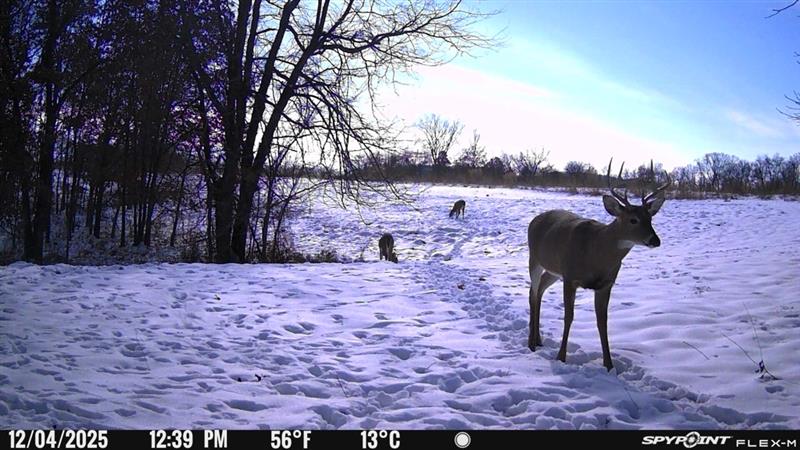
Conditions matter just as much as sightings. Using the free SPYPOINT app, hunters can review wind direction and speed, temperature, barometric pressure, and sunrise and sunset times tied to each photo or video.
Tracking how a buck moves in relation to these conditions helps hunters draw meaningful conclusions about when he is most likely to move during daylight. Over time, this information builds a clearer picture of which conditions offer the best opportunity for an encounter.
Let BUCK TRACKER™ AI Do the Sorting
Targeting a specific buck means sorting through a large number of photos and videos. SPYPOINT’s free BUCK TRACKER™ AI species tag helps simplify that process by allowing all app users to filter images and videos to view only bucks.
In addition to filtering by species, members of SPYPOINT’s Insiders Club can create custom tags for individual bucks, allowing all related photos and videos to be grouped together and easily sorted for the specific deer they are watching across multiple camera locations.
Why the FLEX-S-DARK is a Strong Option
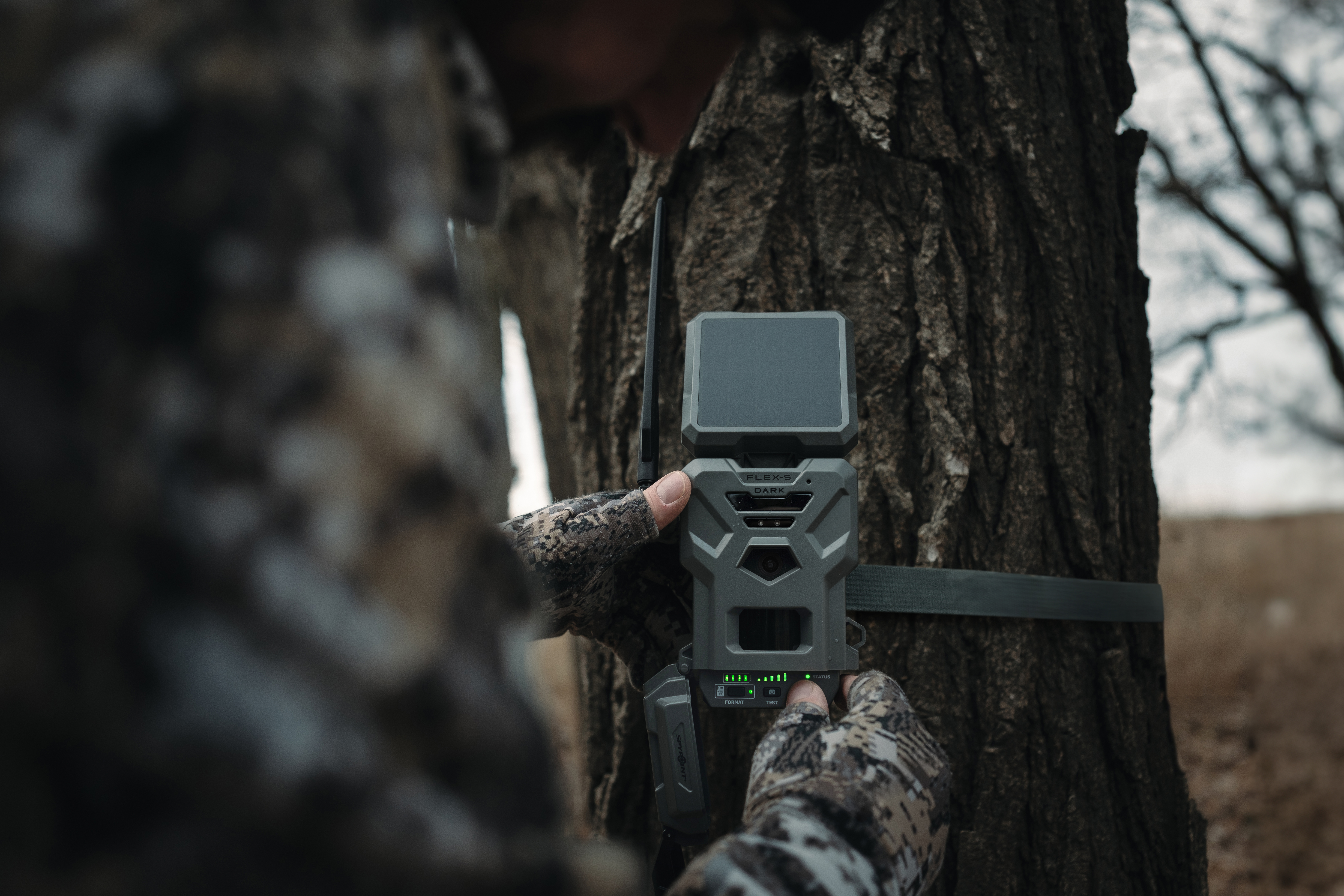
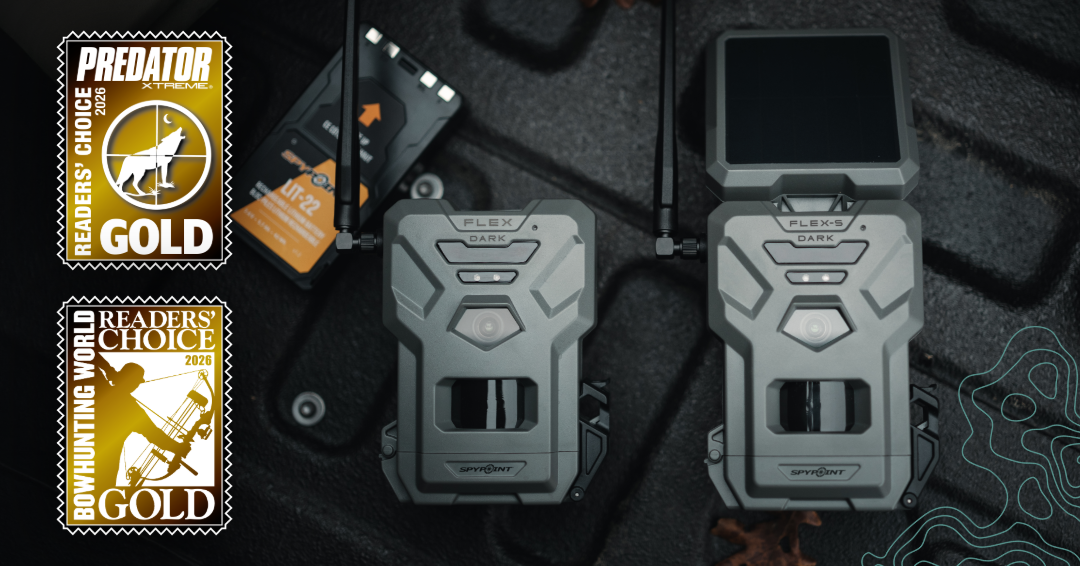
The SPYPOINT FLEX-S-DARK is especially well-suited for targeting mature bucks. Its solar-powered design helps keep the camera running longer in remote locations, while the no-glow LEDs reduce the chance of alerting deer to the camera’s presence.
Paired with on-demand photo capability and reliable cellular connectivity, the FLEX-S-DARK allows hunters to check setups, verify framing, and monitor activity without stepping foot in the area. This is a major advantage when dealing with pressure-sensitive bucks.
Turning Information Into Opportunity
Targeting a specific buck can be challenging, but the rewards are hard to beat. Hunters can use the scouting information they've gathered from cell cams to learn a buck’s known patterns and tendencies, but at the end of the day, it all comes down to what happens in the field. When it all comes together, the payoff is well worth the effort
By Nate Skinner