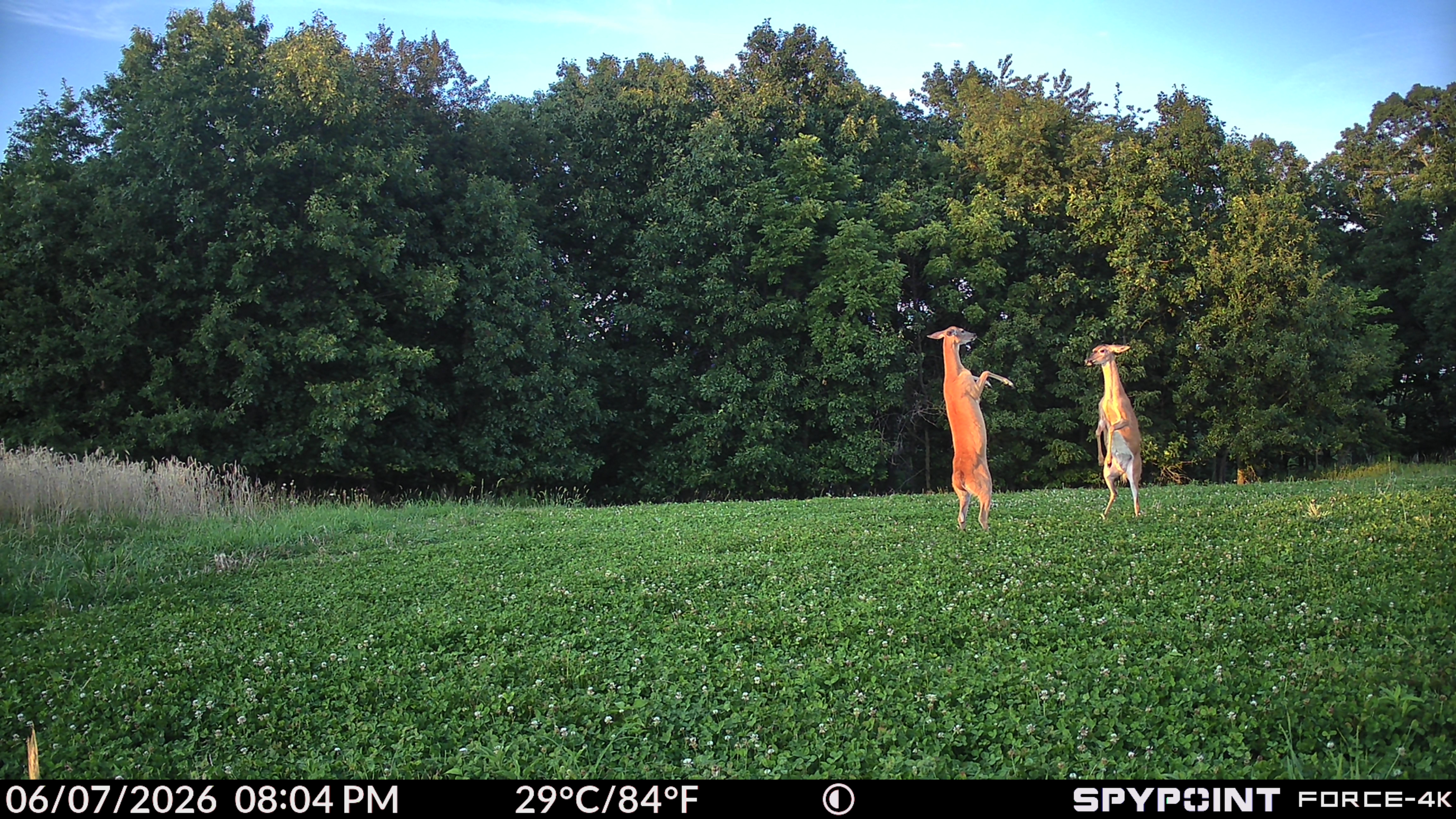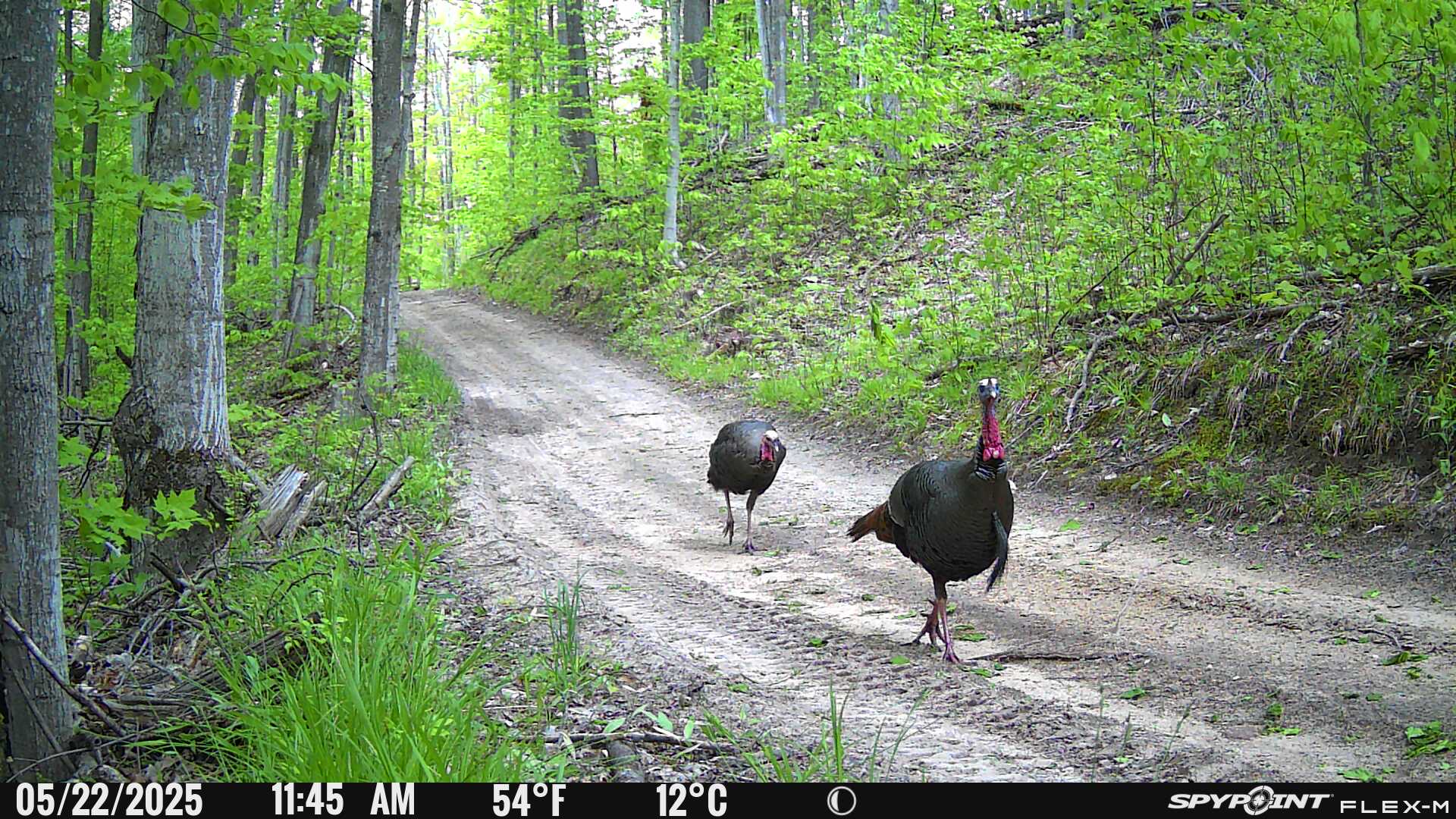
Employing cellular trail cameras for scouting has become an all-out craze when it comes to deer hunting. However, using the same technology to effectively scout wild turkeys is rarely talked about. This overlooked tactic should be considered by hunters hoping to seal the deal on a boss longbeard this spring.
Similar to deer hunting applications, cellular trail cameras can provide turkey hunters with meaningful intel on how to approach pursuing mature toms on any property they plan to hunt. From identifying roosting locations to monitoring midday and afternoon habits and behaviors, the proper use of cellular cameras can reveal where to set up and when.
Perhaps the most important aspect of using cellular cameras to scout for gobblers is that they allow hunters to monitor turkey behavior and movement without constantly walking through the turkey woods. Turkeys that experience regular hunting pressure often become extremely call- and decoy-shy. Being able to scout without disturbing the areas turkeys frequent can lead to some exhilarating close encounters when you finally sneak in on foot to hunt.
Hang Cameras at the Right Height
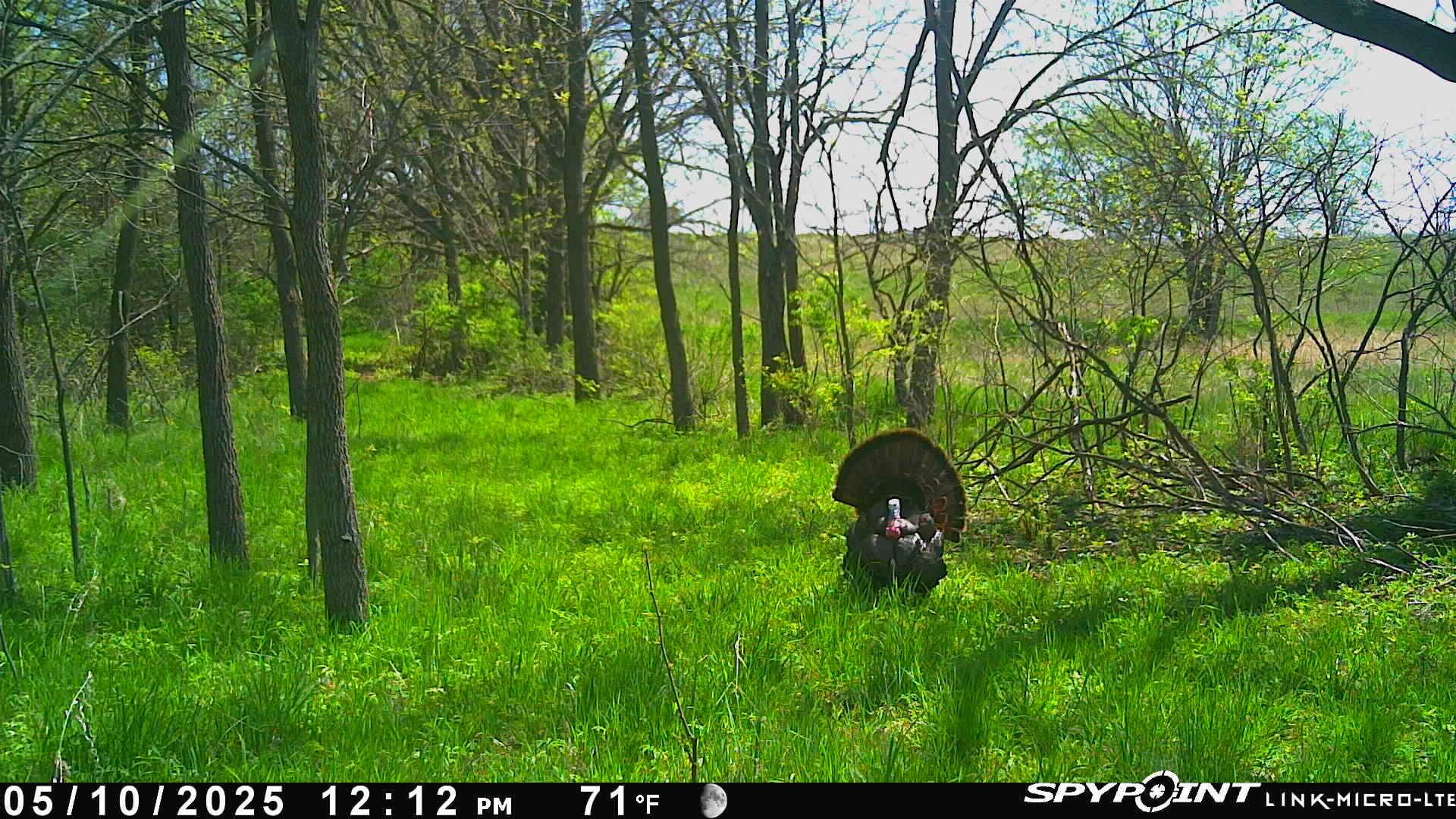
One of the most common mistakes when setting up cellular trail cameras to scout turkeys is hanging them too high above the ground. In deer hunting applications, cameras are often hung around waist height, or about 3 to 4 feet above the ground. In many situations, this places the sensor and field of view above a turkey’s body.
A better tactic is to mount cameras about knee-high, or roughly 20 to 24 inches off the ground. This aligns the camera more with the body mass of turkeys traveling through the area. Not only will this help ensure reliable triggers from the camera’s sensor, it also provides a better angle to observe beard length and spur size.
You may need to trim tall vegetation in areas where you plan to hang cameras. Tall weeds or grass swaying in front of the lens on a windy spring day can trigger a large number of false photos.
Always bring garden shears or a small trimming tool when hanging cameras. Clearing vegetation in a V-shape extending about 10 to 15 feet out from the camera will provide the best and cleanest view.
Locate Roosting Birds
Cellular trail cameras can also help identify roosting sites. The best way to do this is by placing cameras in areas with ideal roosting habitat, such as tall trees near water sources or along creek bottoms and draws that have open areas nearby for turkeys to land when they fly down.
If you are scouting a property for the first time, the maps feature in the SPYPOINT app can help you quickly identify potential roosting areas. Insiders Club members have access to advanced mapping tools, including hybrid maps that combine satellite imagery with topographic data and parcel boundaries with available property details. These layers make it easier to spot ideal roosting habitat such as tall timber near water, creek bottoms, or draws with nearby open landing areas. You can also use the distance measurement tool to plan camera placement and setups before ever stepping foot in the woods. Once cameras are in place, reviewing wind, precipitation, and sunrise timing within the app can help you decide exactly when and where to move in on birds.
If you are already familiar with the property, placing cameras in areas where gobblers have historically roosted can help you pinpoint which trees toms are using night after night.
Once roosting locations have been established, you can make plans to sneak into the area before sunrise and attempt to call a gobbler right off the roost.
Use BUCK TRACKER™ AI to Sort Turkey Activity
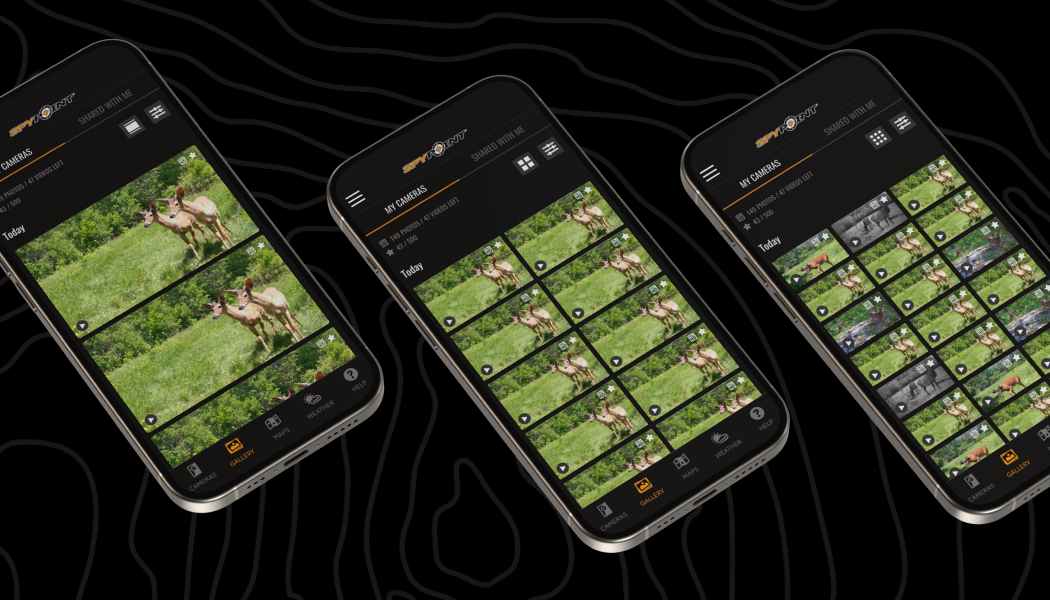
Sorting through hundreds or even thousands of trail camera photos can take time, especially during the busy spring season when multiple species are moving through the same areas. SPYPOINT’s advanced BUCK TRACKER™ AI helps simplify the process. Insiders Club members gain access to all eight BUCK TRACKER species filters, including a dedicated turkey filter that allows users to quickly sort and view only images that contain turkeys. This makes it much easier to track gobbler movement, identify patterns, and focus on the images that matter most without scrolling through every deer, raccoon, or squirrel that passes by the camera.
Scout Fields and Open Areas
Open fields with planted crops or natural grasses that attract bugs and insects provide excellent feeding areas and strut zones for turkeys. Gobblers are often found following hens or displaying in these open areas while searching for hens.
The most effective way to scout fields and large open areas with cellular trail cameras is to place cameras near the corners of fields and face them toward the center. If possible, orient them north or south to prevent glare from the sun.
Using time-lapse mode is especially effective when monitoring large fields. Setting a time-lapse interval to capture a photo about every 10 minutes is a good starting point when observing open areas.
You can adjust this interval once you get a better idea of how and when turkeys are using the fields.
Focus on High-Traffic Areas
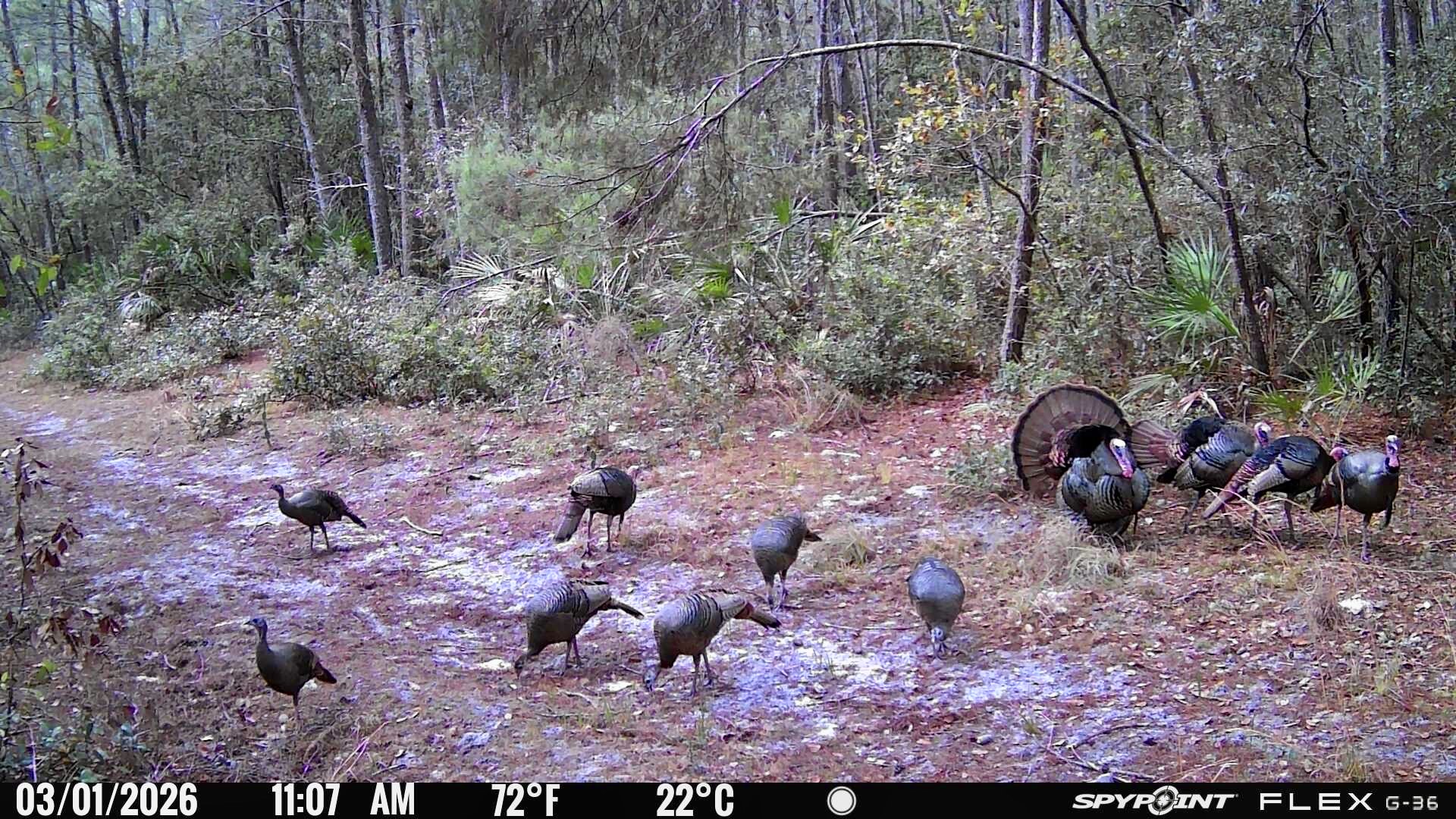
Hanging cameras in high-traffic areas that turkeys regularly use can provide valuable scouting information.
Strut zones such as open pasture corners or wide logging roads where gobblers display for hens are excellent locations.
Areas containing dusting bowls with loose, dry soil are also worth monitoring with a cellular trail camera. Hens frequently use these spots for dust baths, and gobblers are often nearby.
Fence gaps are another overlooked travel route. Turkeys prefer walking through fences rather than flying over them, so low spots or openings in fence rows naturally funnel hens and longbeards through predictable locations.
Pattern the Birds
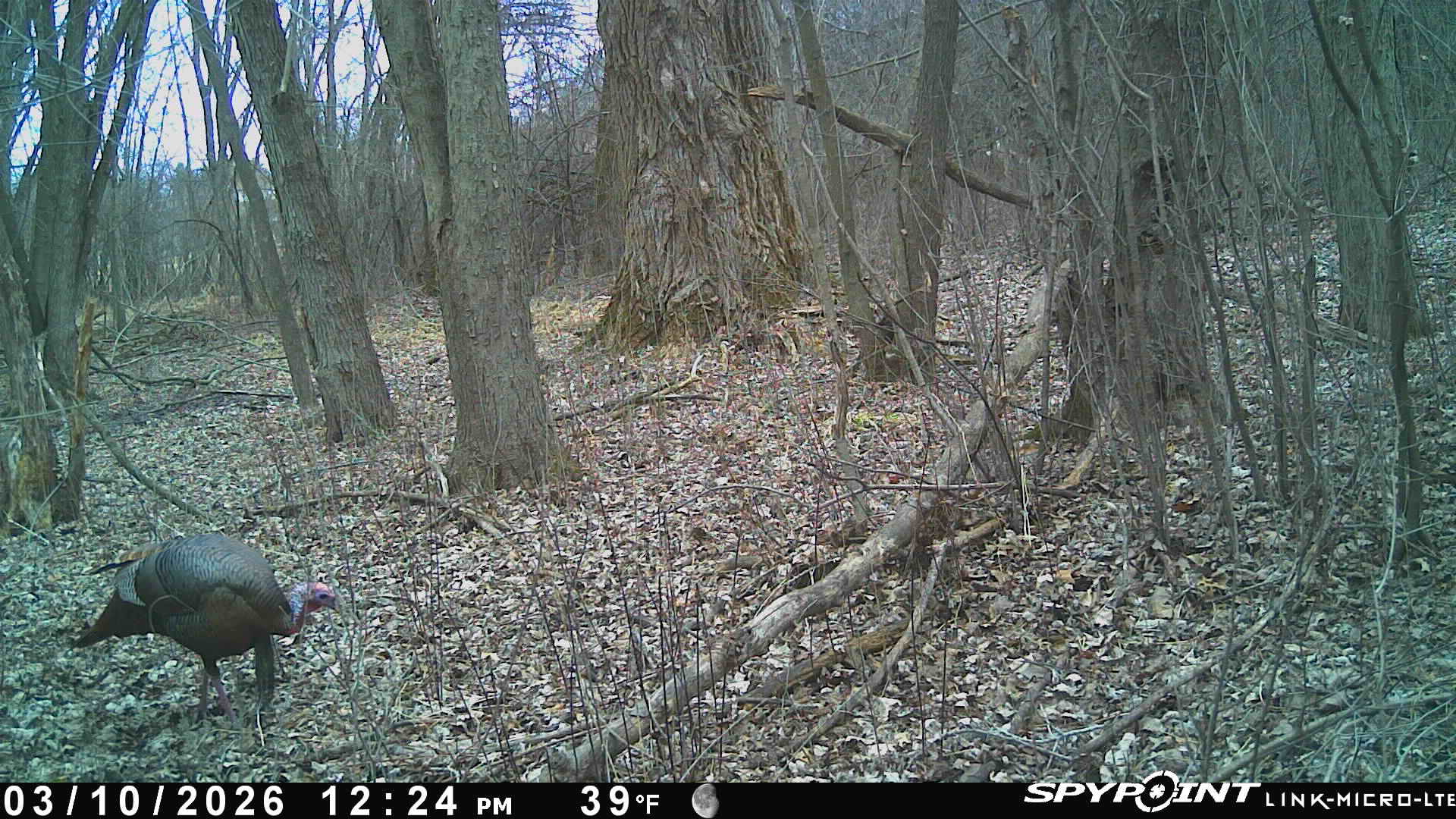
Turkeys are creatures of habit. Pay close attention to the timestamps on images captured by your cellular trail cameras.
If a gobbler appears on camera in the same location several days in a row at roughly the same time, there is a good chance he will repeat that pattern again. Hunters can use this information to plan their hunt and set up before the bird arrives on schedule.
Using cellular trail cameras to scout turkeys effectively can remove much of the guesswork from spring hunting. It is a simple tactic that can significantly increase your chances of tagging a mature tom.
By Nate Skinner