Start Prepping for Next Season Now
Are you feeling lost or a lack of purpose, with deer season being over? We feel your pain. Luckily, you can start prepping for next season right now. There’s no better time than the present to begin taking inventory on deer herds that inhabit the properties and areas you hunt.
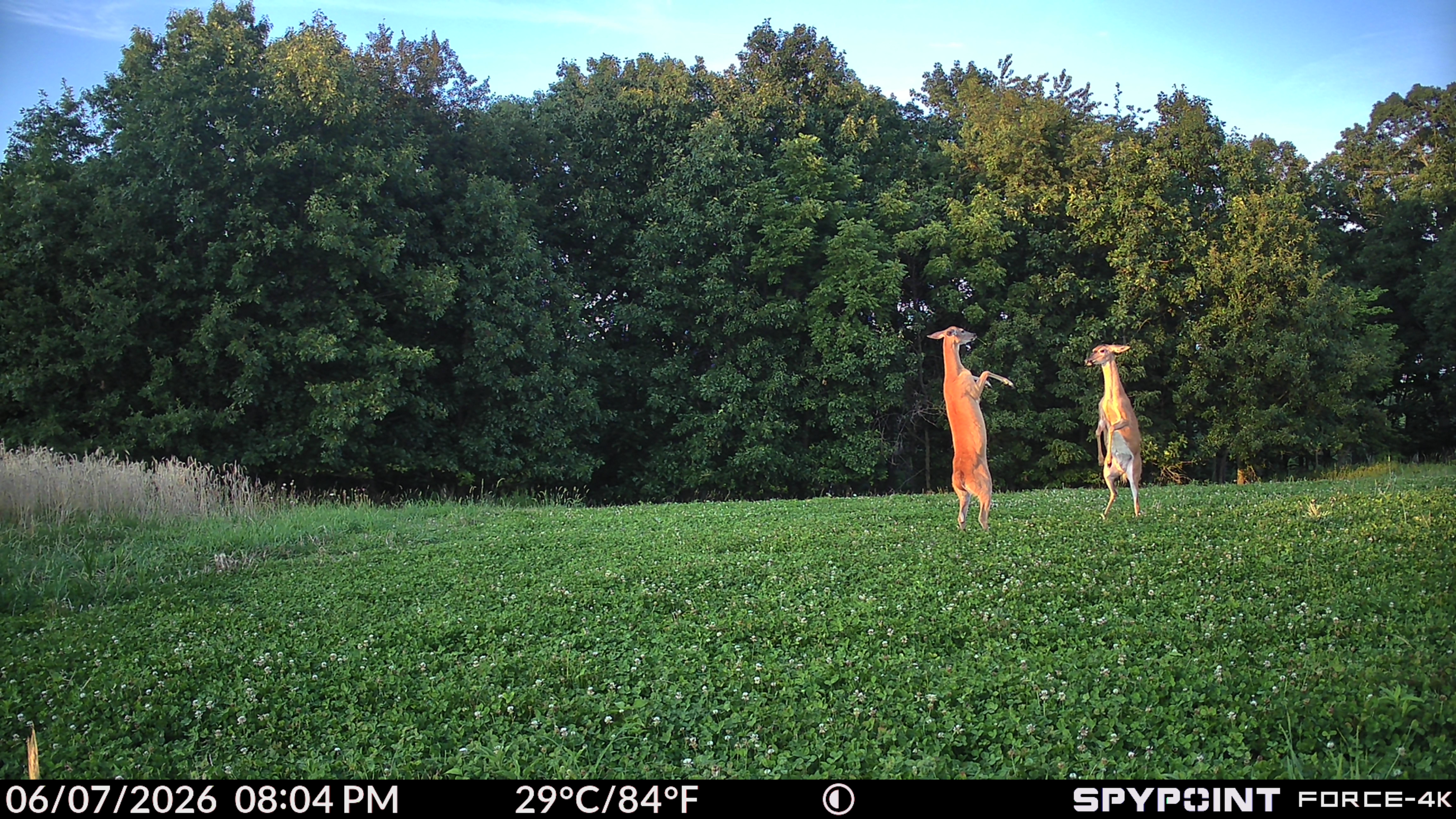
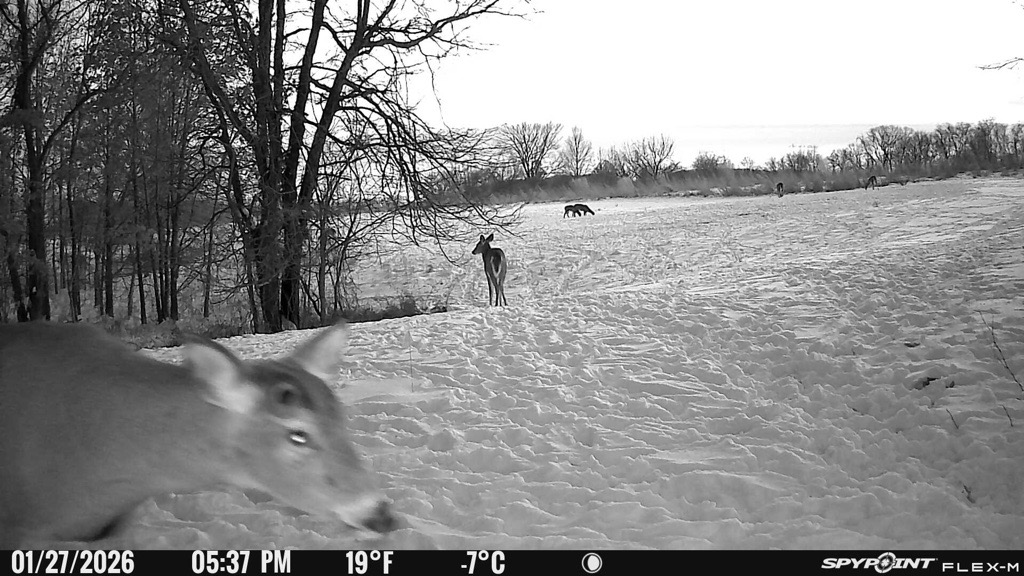
Late-winter food plots represent the perfect location for monitoring deer numbers immediately after the season ends. These food sources typically see immense traffic from deer during this time of year, and you can take inventory using cellular trail cameras.
Best Camera Placement for Food Plots
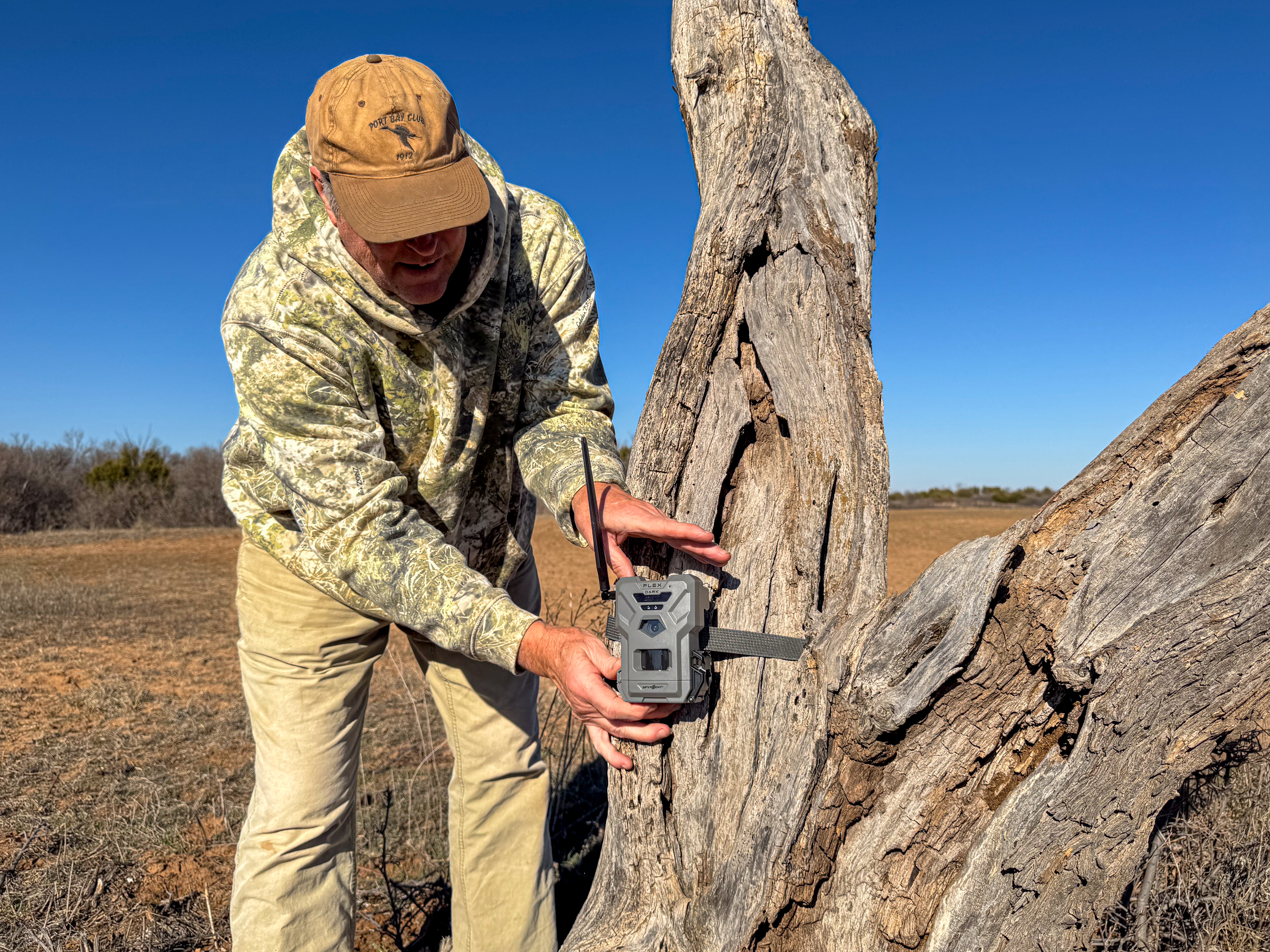
The best way to employ the use of trail cameras to take deer inventory over food plots is to position them at corners along the edges of food plots, then face the cameras inward toward open fields. This allows cameras to capture the best possible, maximum view of the food plots they are overlooking.
Another good option for setting up cellular trail cameras to monitor deer numbers over food plots is to position cameras along trails or travel corridors leading to fields that deer regularly use. Although this strategy may not provide as much of a big-picture view as overlooking a more open area, it will still help you understand how many deer are around.
Camera Direction and Orientation Matters
Regardless of where cameras are placed, it is important to have them oriented facing north (ideal) or south, where they will still capture a large view of the food plot or the trail leading to the food plot. This prevents glare from the sun from hindering the quality or clarity of images and provides the best possible view of deer moving through the area.
Proper Mounting Height for Inventory Surveys
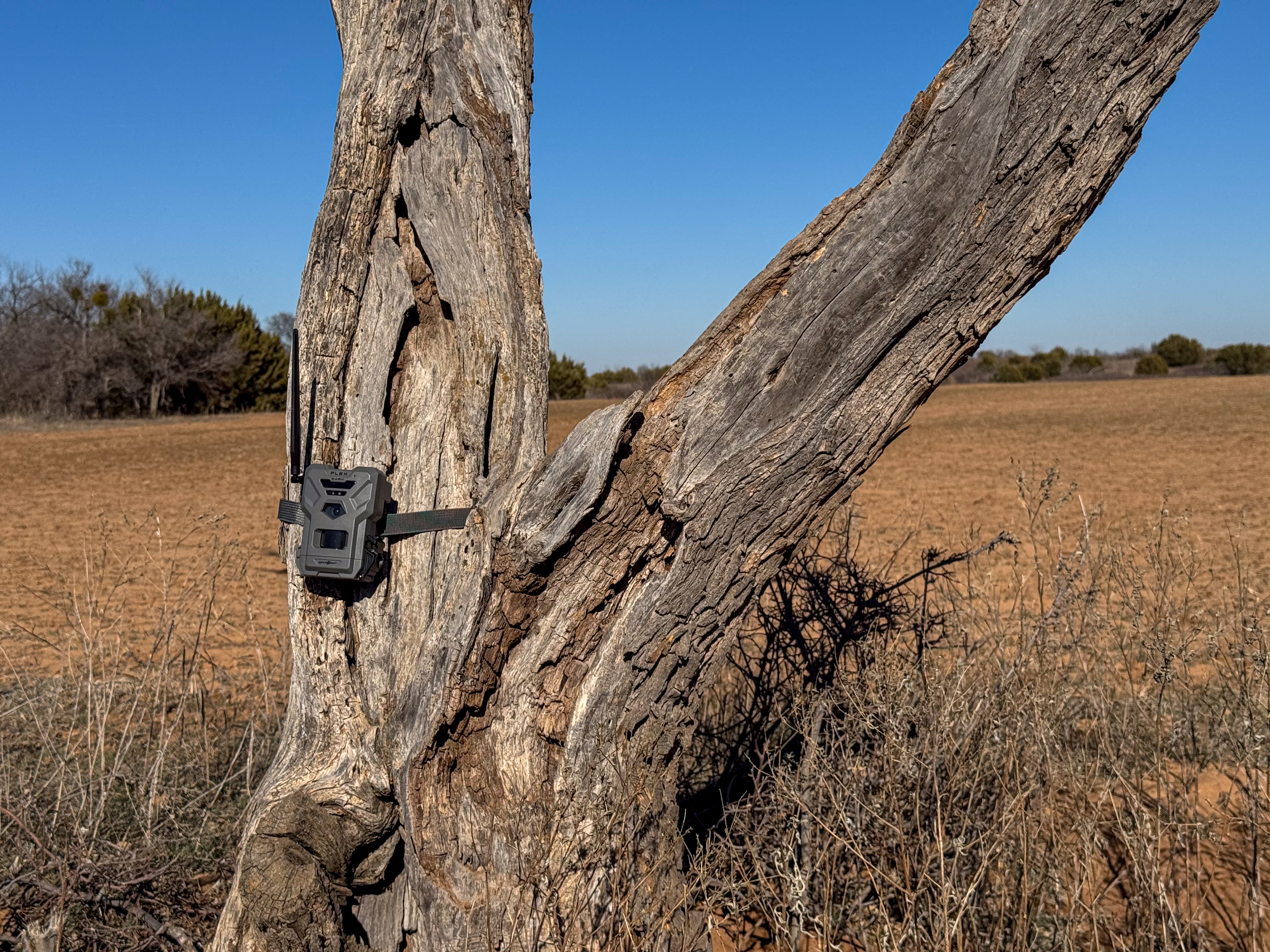
When mounting cameras to take deer inventory over food plots, the best practice is to position them anywhere from three to six feet high, facing at a downward angle. This allows cameras to cover more ground and capture the best possible view of the monitored area. Wide-trunked trees tend to work best, as they help conceal the profile of cameras.
Use Time-Lapse for Accurate Counts
Time-Lapse or Time-Lapse+ mode can be used to provide the most accurate deer counts over any given food plot. Cameras like the FLEX-S-DARK, which features both capture modes, allow you to set photo intervals regardless of motion detection. This provides a true big-picture view of deer usage without relying on animals to trigger the camera’s motion sensor.
Choosing the best time-lapse interval may take some trial and error. Starting with five to ten minute intervals is a good approach to avoid capturing thousands of photos of the same deer feeding, then adjusting as needed.
How Long to Run a Deer Inventory Survey
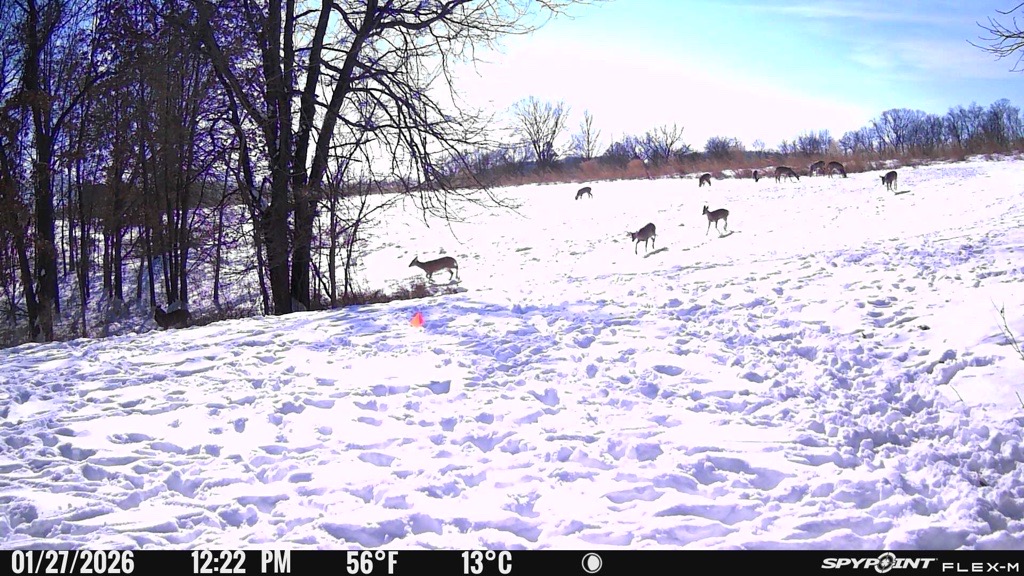
To achieve the most accurate deer counts, conduct inventory surveys over a period of roughly two weeks. During this time, you’ll be able to identify herd patterns, determine how many deer are present, and understand when they are feeding or traveling through the food plot.
Reduce Pressure With Cellular Cameras
Using cellular cameras to monitor deer numbers over food plots minimizes human interaction and disturbance on the property. Once cameras are set up, deer activity can be monitored directly through the SPYPOINT app on your smartphone or device, with settings adjusted remotely from just about anywhere.
Sort Bucks and Does With BUCK TRACKER™ AI
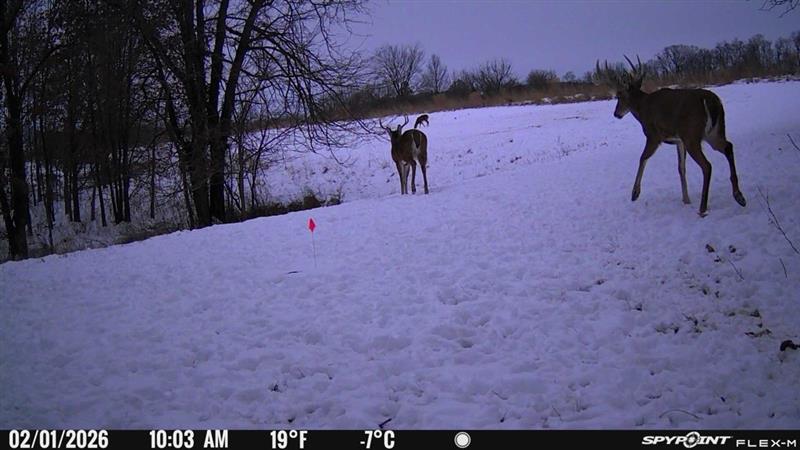
SPYPOINT’s free BUCK TRACKER™ AI technology helps filter images containing bucks versus antlerless deer, assuming bucks have not shed their antlers yet. This feature is useful for obtaining specific counts and estimating buck-to-doe ratios across the property or area being monitored.
Start Now for a Better Fall
Don’t let the end of deer season get you down. The countdown to next season has already begun, and the time to prep is now. Start using cellular trail cameras to monitor deer numbers where you hunt so you can build a solid game plan for the fall. It will be here before you know it.
Article by Nate Skinner