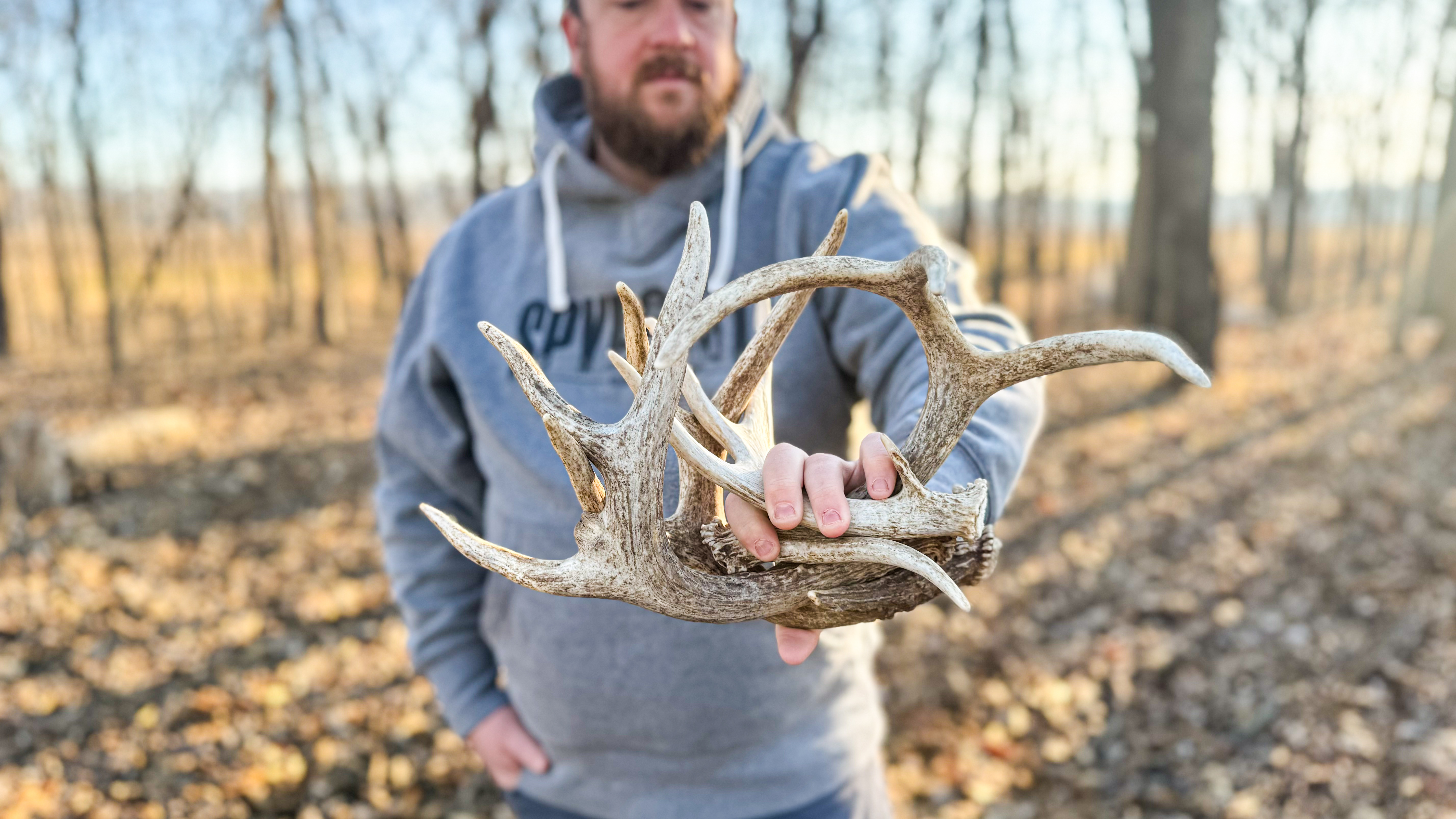
Finding shed antlers is one of the best ways to extend deer season without ever climbing into a stand. Late winter and early spring are prime time for whitetails to drop their antlers, and every walk in the woods feels like a treasure hunt.
Most hunters focus on obvious spots like food plots and bedding areas, and those places can definitely produce. But some of the best sheds come from locations that get walked right past every year.
Here are three of the most overlooked places to find antlers once they hit the ground.
1. Small Timber Pockets Near Roads and Between Houses
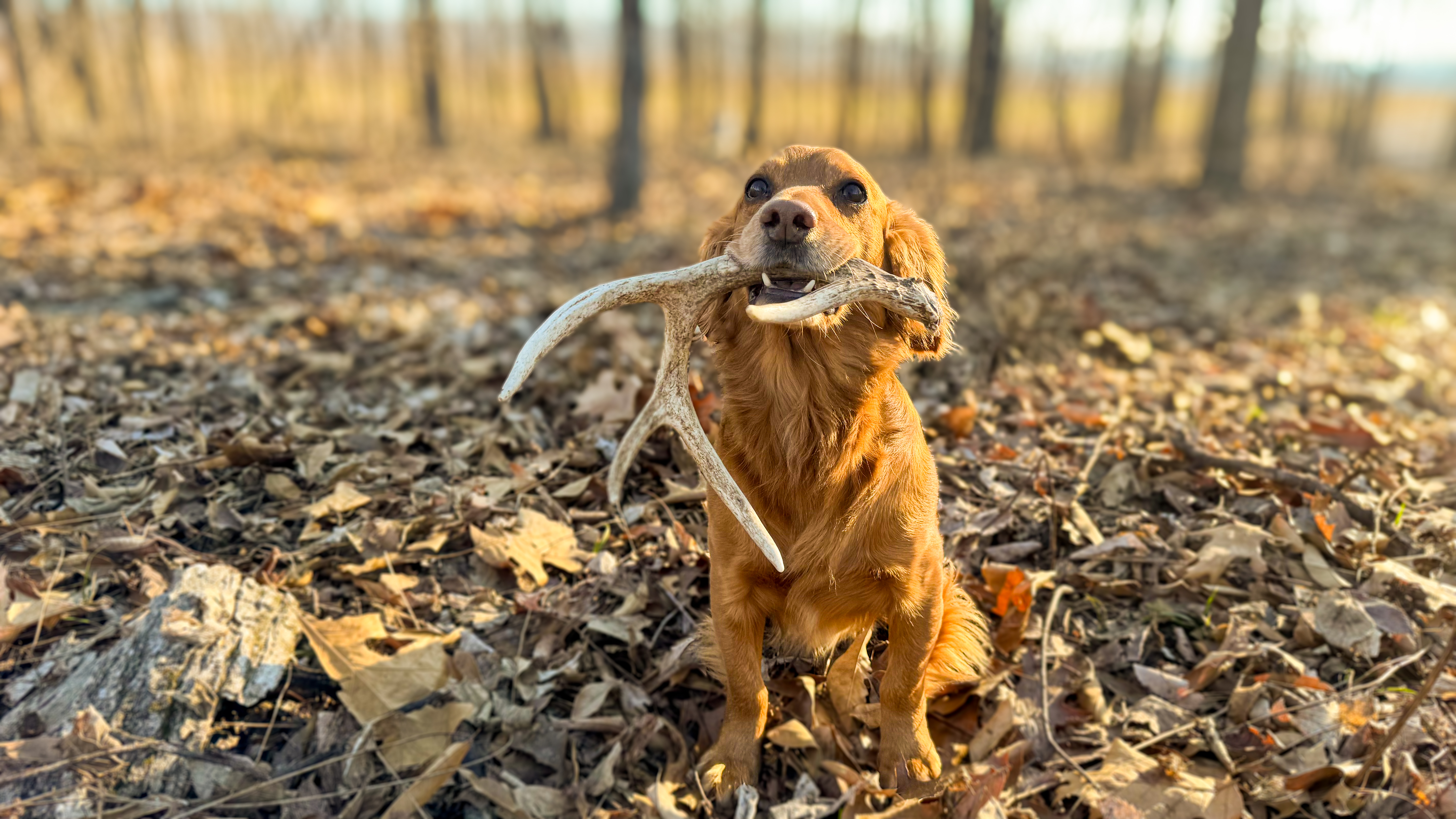
Some of the best shed antlers come from places most hunters ignore entirely. Small pieces of timber near roads, farm lanes, or tucked between houses.
These overlooked woodlots might only be a few acres, but they often provide exactly what a late-season buck wants: security, low pressure, and quick escape routes. Big bucks that survive the season know how to disappear, and these forgotten pockets are perfect hiding spots.
Why it gets overlooked:
They do not look big enough to hold mature deer, and most people assume they have already been picked over.
Pro tip:
Slow down and scan edges carefully. Sheds often fall near beds, along faint trails, or right inside the cover where deer stage before moving at night.
2. Drainage Ditches in Farm Fields
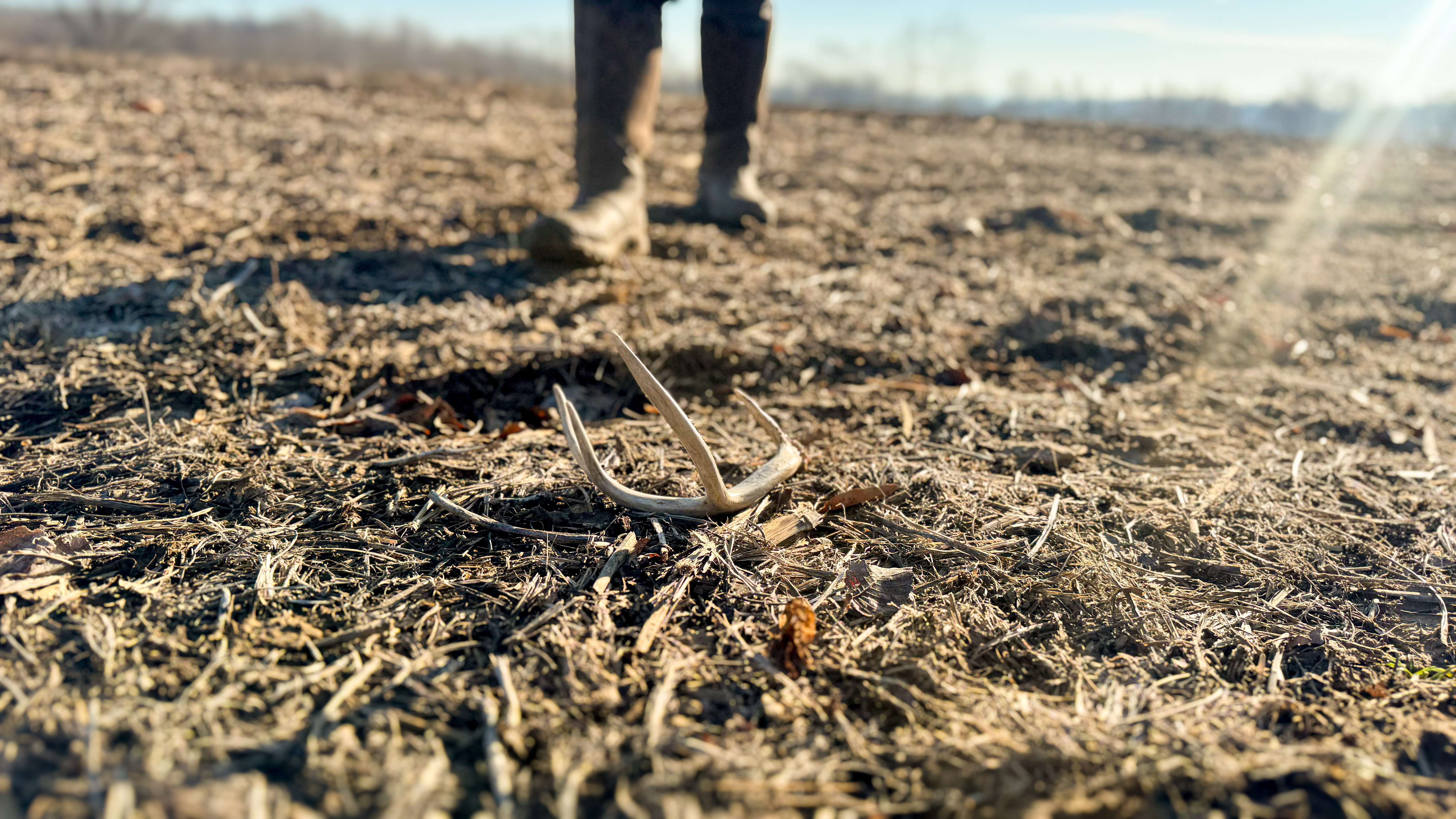
Drainage ditches in crop fields are one of the most consistent yet overlooked shed-finding locations, especially when they lead toward larger blocks of timber.
Late-season bucks use these ditches as travel routes because they offer concealment and an easy path between food and cover. Crossing points, shallow spots, and bends in the ditch are prime places for antlers to drop or get knocked loose.
Why it gets overlooked:
They are easy to walk past, and sheds blend in perfectly with corn stubble and leftover crop debris.
Pro tip:
Take your time. Walk both sides of the ditch, scan ahead, and pay extra attention at crossings where deer step up or jump.
3. The Last 50 Yards Around Food Sources
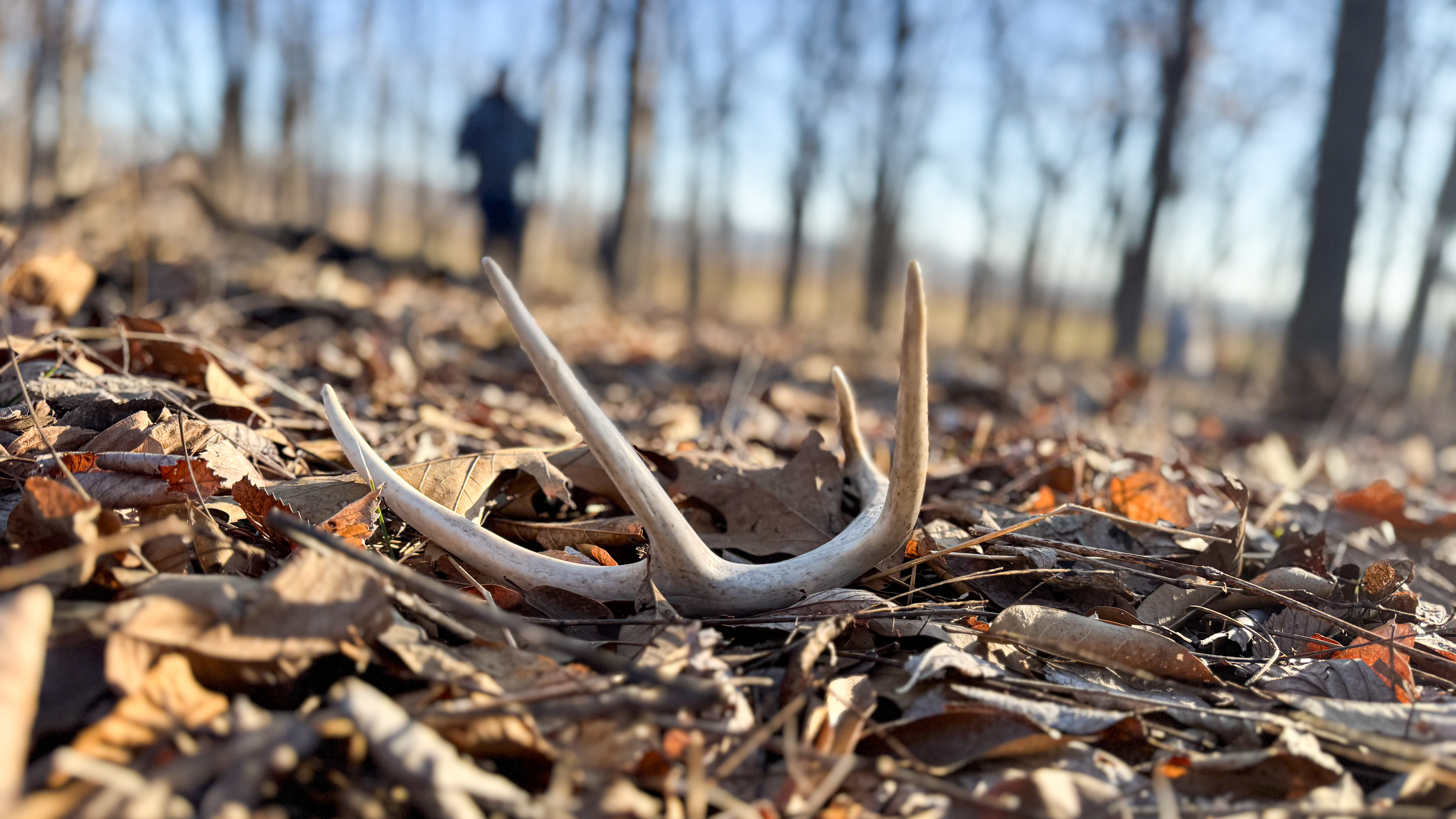
Everyone searches food plots. Everyone checks standing corn. Everyone walks the obvious feeding areas.
But the most overlooked shed zone is often the last stretch before deer enter the food.
Bucks tend to stage just inside cover before stepping out, especially during late season when pressure is still fresh in their minds. They linger, shift around, and browse along the edge, and that is where a lot of sheds end up.
Why it gets overlooked:
Hunters rush straight to the food source and do not thoroughly search the transition cover.
Pro tip:
Focus on the downwind side of food sources and walk the timber edge where trails converge.
Bonus Tip: Use the SPYPOINT App to Find New Shed-Hunting Ground
One overlooked advantage of the SPYPOINT app is how useful the mapping tools can be during shed season. With property boundaries and parcel information available on the map, hunters can identify small, overlooked timber pockets, field-edge ditches, or transition areas they may have never considered before.
It also helps you see where land ownership changes, so you can make sure you are on the right side of the line and even reach out to neighboring landowners for permission to scout new ground. A quick conversation can open up new areas to search and lead to sheds that nobody else is walking.
Shed Season Rewards the Details
Finding sheds is not about covering the most ground. It is about covering the right ground.
If you want to pick up more antlers this spring, do not just search the obvious spots. Check small, overlooked timber, slow down along drainage ditches, and comb the edges near food.
That is where the antlers are hiding.