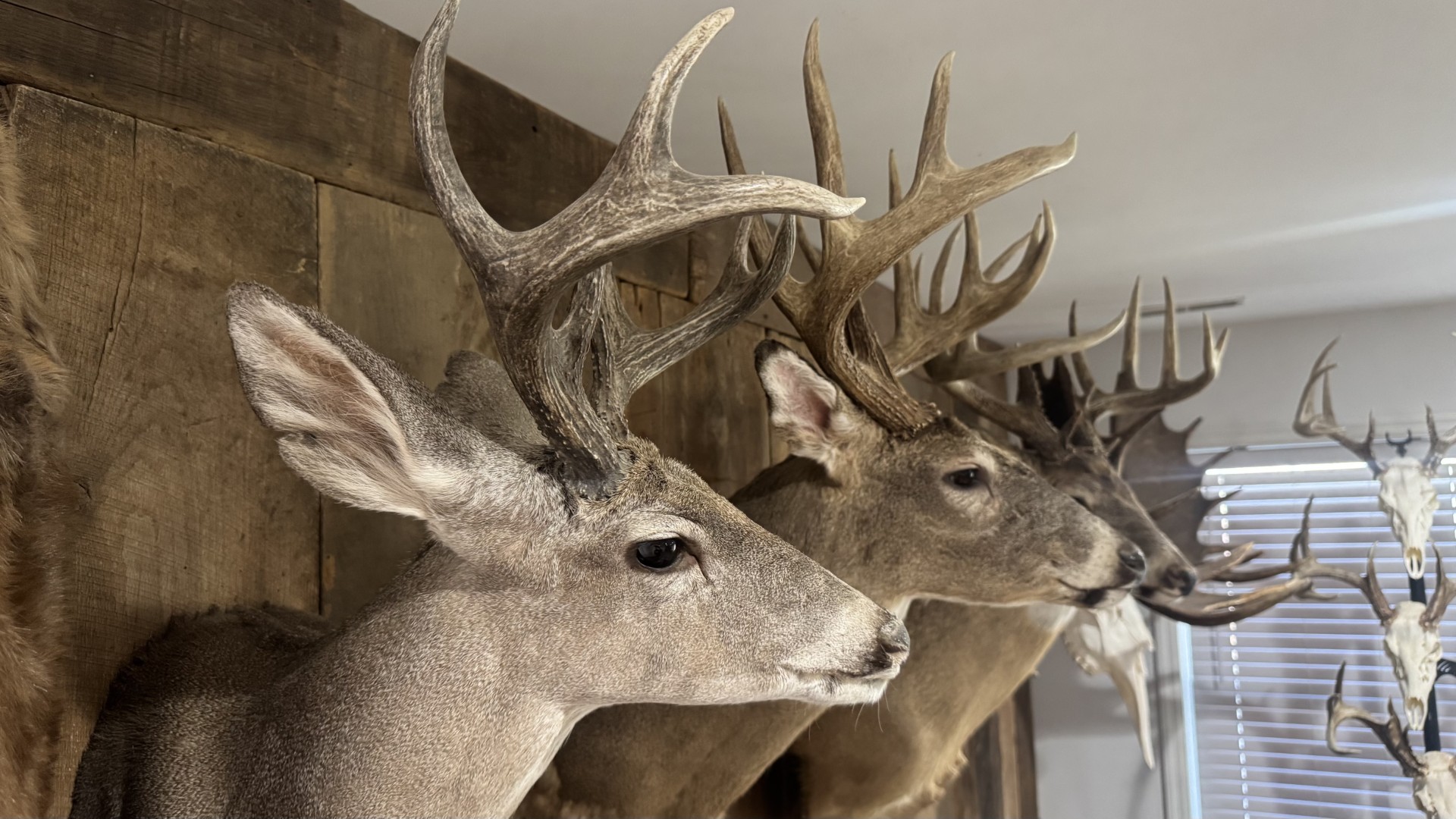
As hunters, we rely on taxidermists to preserve some of our most treasured memories in the field in the form of mounts from the animals we harvest. For me, personally, there’s a special story behind every animal I’ve had mounted. That’s what truly makes an animal a trophy, regardless of its size or score.
Every time I look at one of these mounts, I can vividly remember what took place on that particular hunt.
Great taxidermy allows us to relive incredible moments in the field over and over again. And regardless of what some might think, the process that results in a world-class mount involves teamwork between a hunter and their taxidermist. Understanding that process is key to ensuring your taxidermist can preserve your trophy to the best of their ability.
I recently sat down with Jimmy Biela of Biela’s Taxidermy and asked him a few questions about the process and what hunters should know before bringing in their next trophy.
Why Does Taxidermy Take So Long?
Q: Why the long lead time?
A: Taxidermy typically has long lead times due to a combination of high demand, limited staff—often single-person shops—and the time-consuming, detailed process required to properly preserve and mount an animal.
Tannery wait times can also add to the overall timeline. Many taxidermists send hides to commercial tanneries, and these facilities can experience bottlenecks that are outside of the taxidermist’s control.
Quality work takes time, especially when it comes to perfecting fine details and features. There’s also time involved in fleshing, mounting, and allowing the mount to properly dry.
Many taxidermists batch their work to stay efficient, completing multiple pieces at once rather than one at a time. Even ordering forms and materials can add time, as shipping costs have increased and supplies are often ordered in bulk to reduce expenses.
Proper Field Care Makes or Breaks a Mount
Q: What is the most important field care?
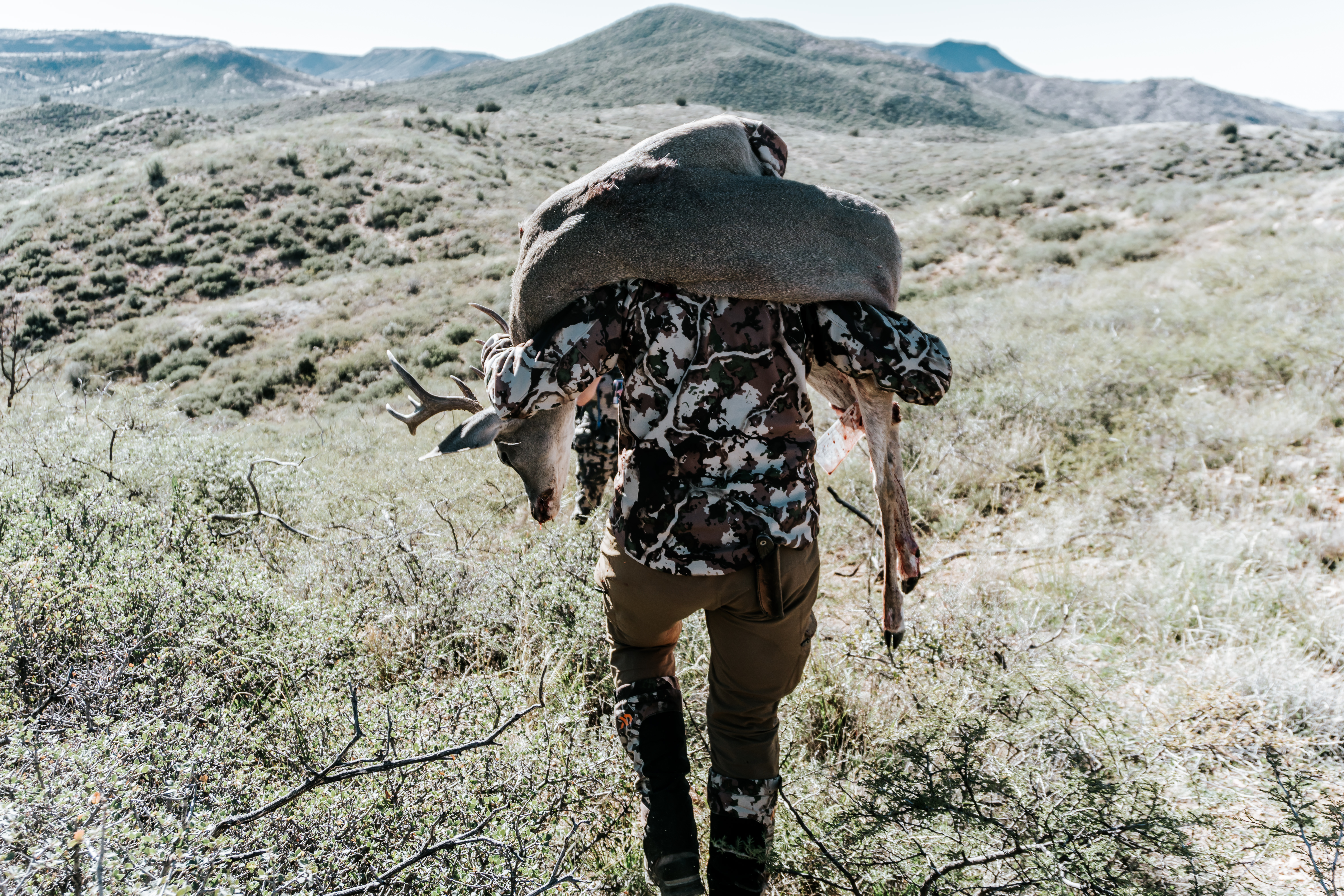
A: Cooling the carcass and keeping the hide clean and dry is critical to prevent bacteria from causing hair slippage. Hunters should also avoid dragging the animal, which can damage fur and reduce the quality of the final mount.
It’s also important to be mindful of the cuts made while skinning or caping the animal. It’s always better to leave more hide than necessary. A taxidermist can trim excess material, but they cannot replace what’s been cut away.
Take Better Photos in the Field
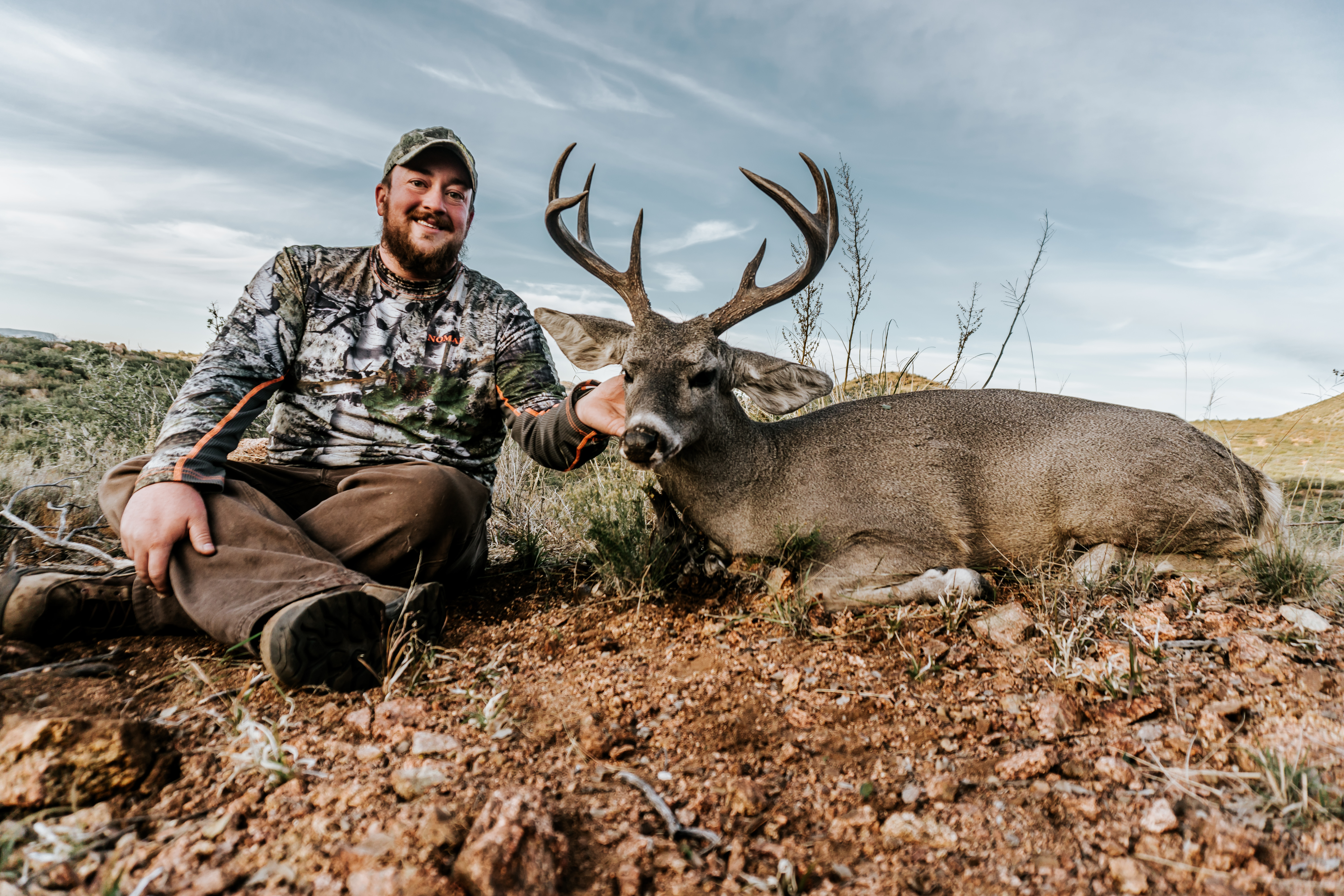
Q: How important is it to take good pictures of the animal in the field?
A: Extremely important.
High-quality, detailed photos give the taxidermist a clear reference for how the animal looked when it was alive. These images help guide everything from color to muscle structure to expression, ultimately resulting in a more realistic and accurate mount.
Choosing the Right Pose
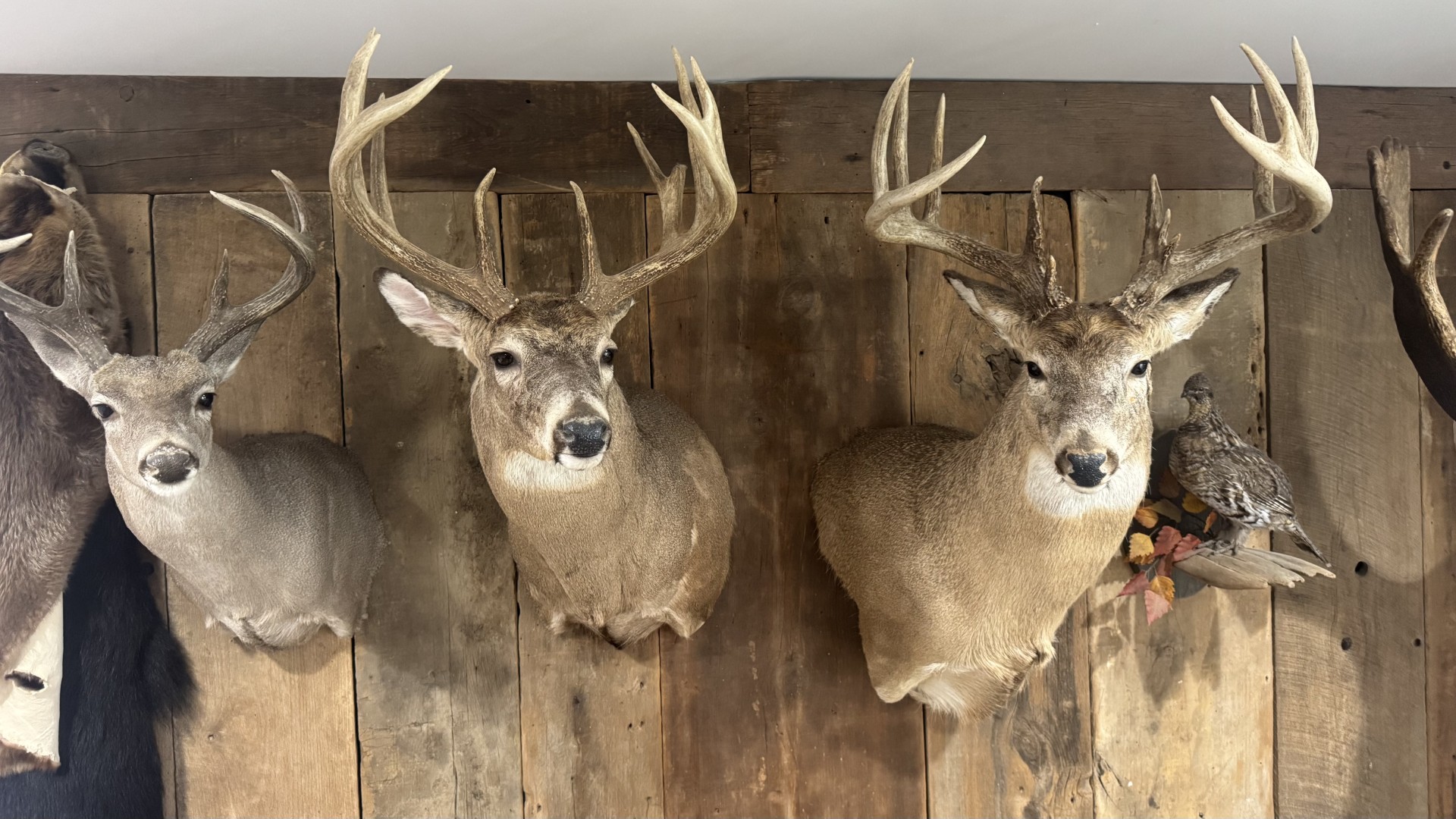
Q: What’s the best way to choose a pose?
A: Think about where the finished mount will go—whether it’s in your home, hunting camp, office, or trophy room.
Taking a photo of the space and sharing it with your taxidermist can be very helpful. Taxidermists are artists, and they can often suggest poses or perspectives you may not have considered based on the space and layout.
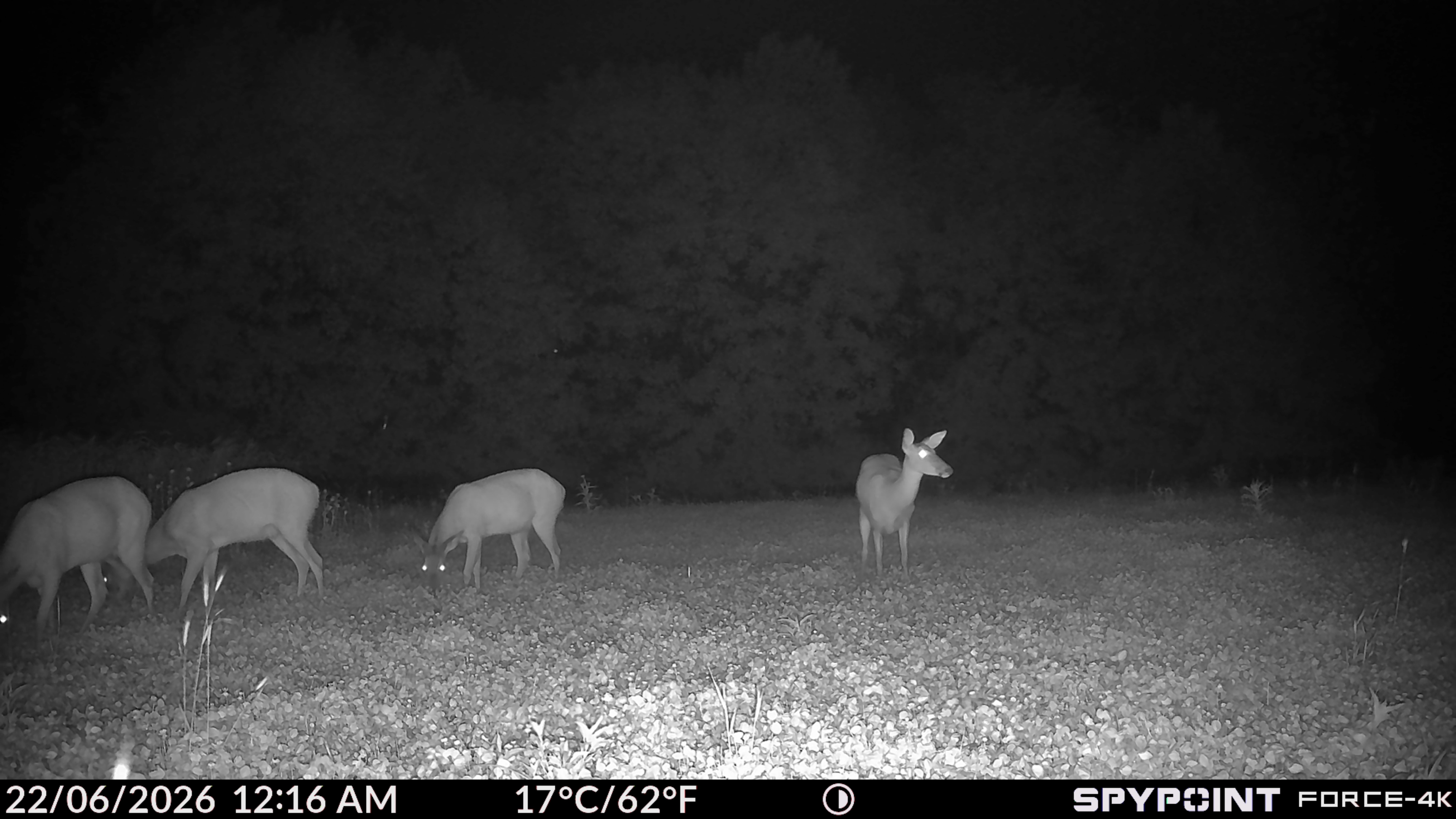
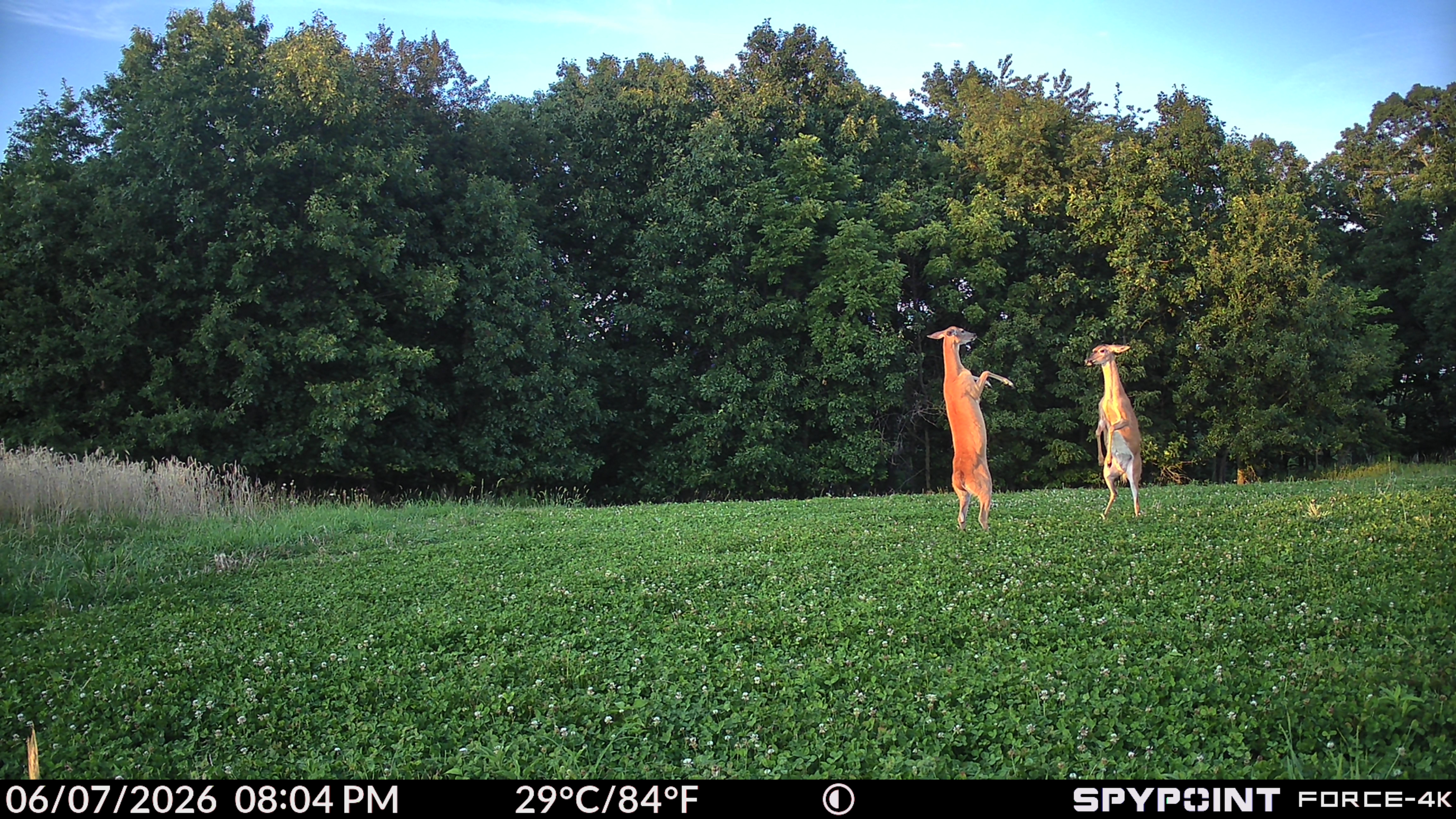
It can also help to share live animal photos from your SPYPOINT cameras. These images show how the animal carried itself naturally in the field and give your taxidermist a more accurate reference for posture, expression, and body position, helping bring the mount to life in a more realistic way.
Communication Matters More Than You Think
Q: What else should hunters consider when bringing in a trophy?
A: Communicate, communicate, communicate.
Most taxidermists are hunters or wildlife enthusiasts themselves. Share the story behind your hunt. Let them know what made that animal special to you.
Your passion helps fuel their creativity. The more they understand the story, the more invested they become in preserving it. That connection often shows in the final mount.
A Better Experience from Field to Mount
Hopefully, these questions and answers help you better understand the taxidermy process and improve your experience when working with a taxidermist.
At the end of the day, your trophies represent your memories, your adventures, and your stories. Taking the time to properly care for your animal and communicate with your taxidermist ensures those moments are preserved the right way.
Because a great mount isn’t just about the animal—it’s about the hunt behind it.
By Nate Skinner